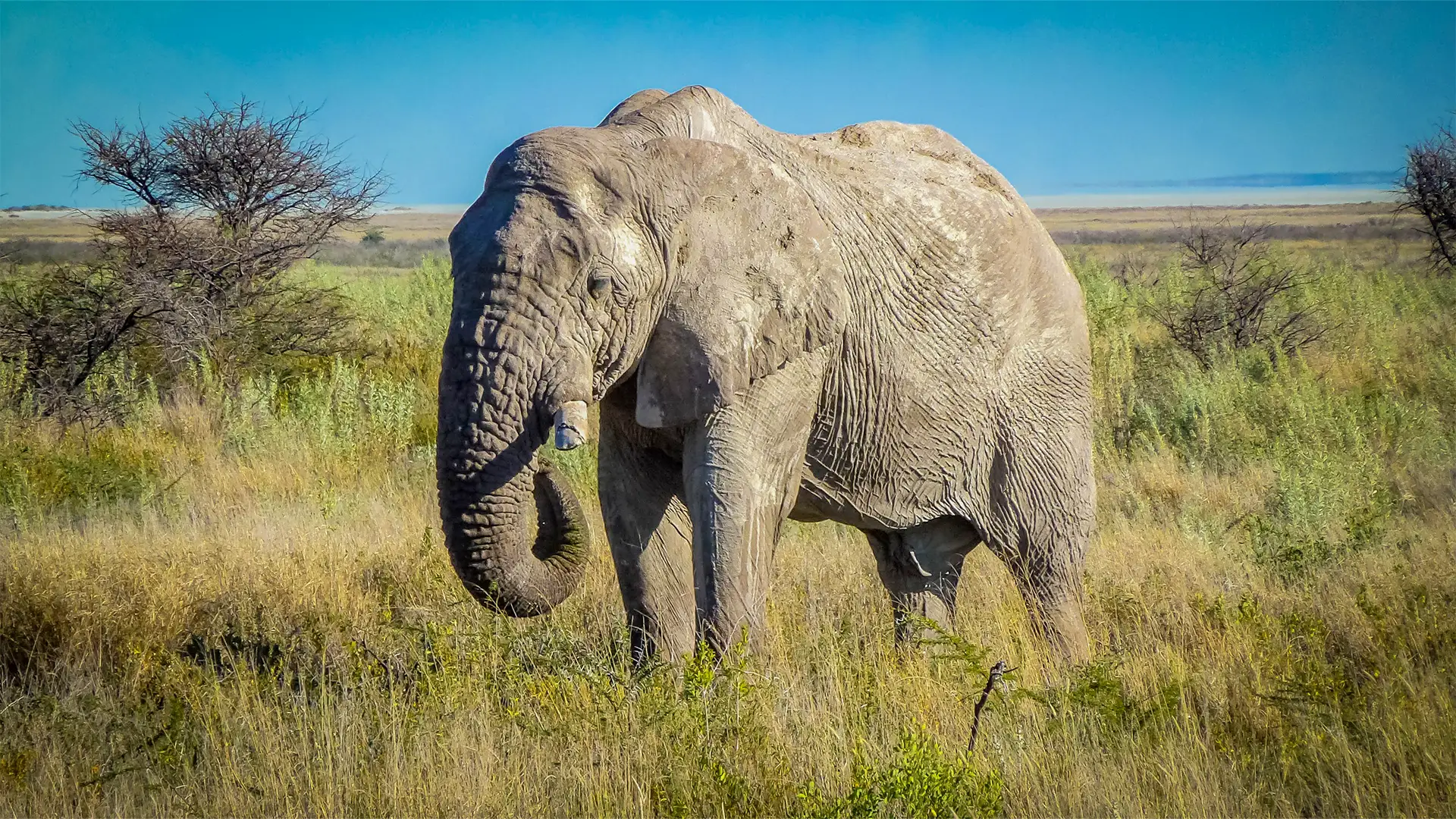
For decades, five animals have dominated the global image of an African safari: the lion, leopard, elephant, buffalo and rhinoceros. They are extraordinary animals, and there is a good reason they have become so closely associated with safari travel. A lion appearing through the golden grass at sunrise, an elephant moving quietly across a dusty track or a leopard disappearing into woodland can become the defining memory of an entire journey. Yet Africa’s wildlife story is far larger than these five animals, and focusing too heavily on them can make one of the world’s most diverse wildlife destinations appear surprisingly narrow.
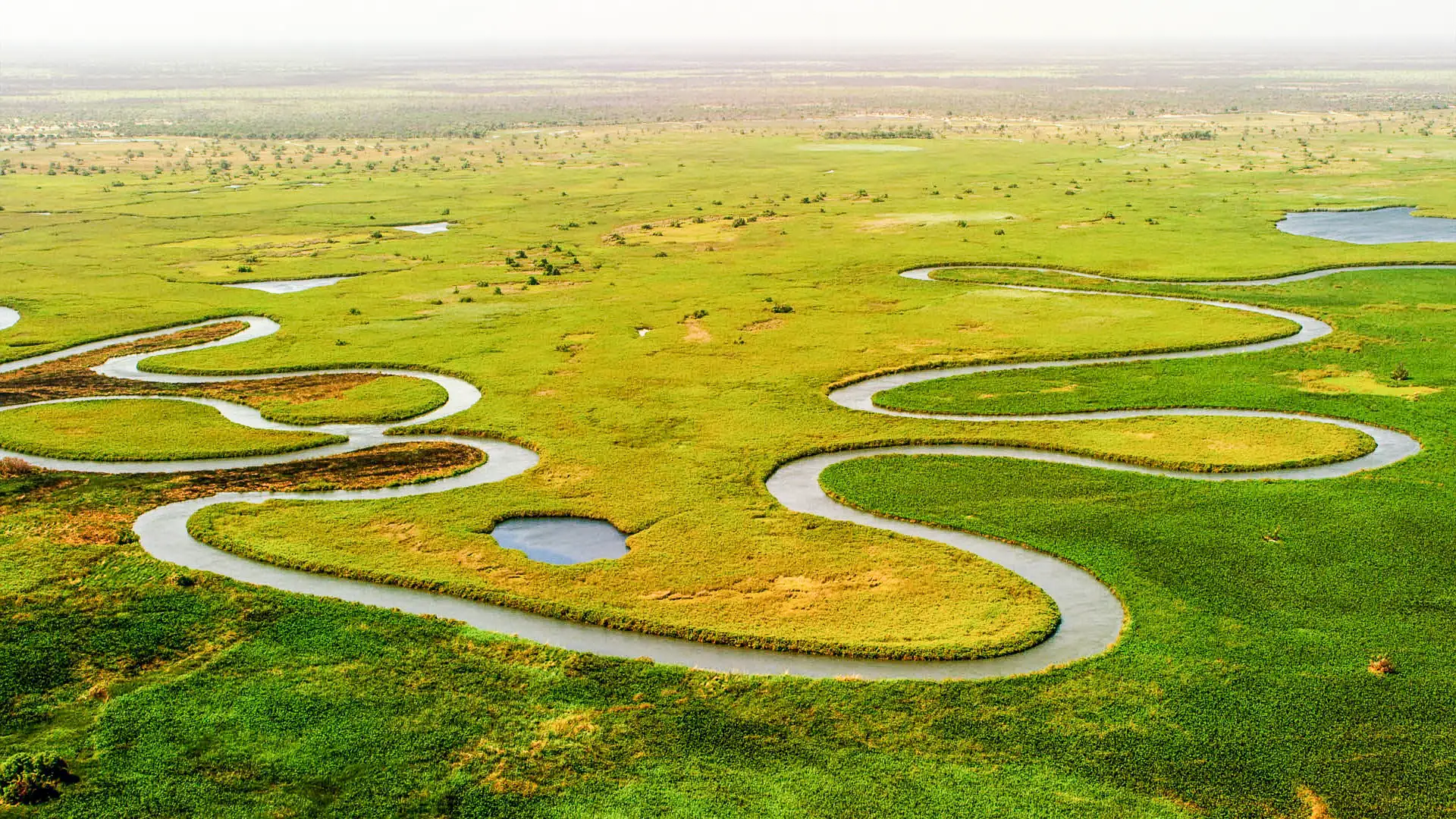
Africa is not simply a continent of open savannahs where travellers drive from one animal sighting to another. Its wildlife exists across ancient rainforests, volcanic mountains, wetlands, rivers, deserts, coastlines and islands, and many of these ecosystems offer experiences that are completely different from the conventional game drive. A traveller can walk quietly through a Ugandan rainforest in search of mountain gorillas, follow chimpanzee calls through the canopy, wait beside a wetland for the distinctive shape of a shoebill, explore waterways in the Okavango Delta or spend hours observing wildlife that may never become part of a conventional safari checklist. These experiences reveal another side of Africa, one in which the landscape, wildlife, people and conservation story are all connected.
The Big Five Are Famous, but Africa’s Wildlife Is Not Limited by Fame
The expression “Big Five” was not originally created to describe the five most interesting animals in Africa. It emerged from the history of big-game hunting and referred to five animals considered particularly challenging and dangerous to hunt: the lion, leopard, elephant, buffalo and rhinoceros. The term was later absorbed into modern safari tourism and became one of the most recognisable phrases in the African travel industry.
Today, the Big Five remain an important part of the safari experience, and there is nothing wrong with wanting to see them. The problem begins when the phrase becomes a substitute for Africa’s entire wildlife story. Wildlife does not become more significant simply because it is easier to market, and some of the continent’s most remarkable encounters involve animals that receive considerably less attention from mainstream tourism.
A forest elephant moving through dense vegetation, for example, can offer a completely different experience from watching elephants on an open plain. A chimpanzee observing visitors from a tree can create a sense of connection that is different from watching a predator from a safari vehicle. A shoebill standing motionless among wetland vegetation may not have the familiarity of a lion or elephant, but for a traveller interested in birds and unusual wildlife, that encounter can become one of the defining moments of an African journey.
Uganda provides a particularly strong example of this broader wildlife story. Its protected areas contain many of the animals traditionally associated with African safaris, but the country’s tourism experience also extends into tropical forests, volcanic mountains, wetlands and river systems. Uganda Wildlife Authority’s 2026 State of Wildlife Resources report recorded increases in several monitored wildlife populations, including buffalo, hippopotamus, Uganda kob, waterbuck, zebra, topi and giraffe, while also reporting updated estimates for chimpanzees and other wildlife species. The country’s conservation landscape therefore tells a much broader story than a conventional Big Five safari alone.
In the Forest, the Safari Changes Completely
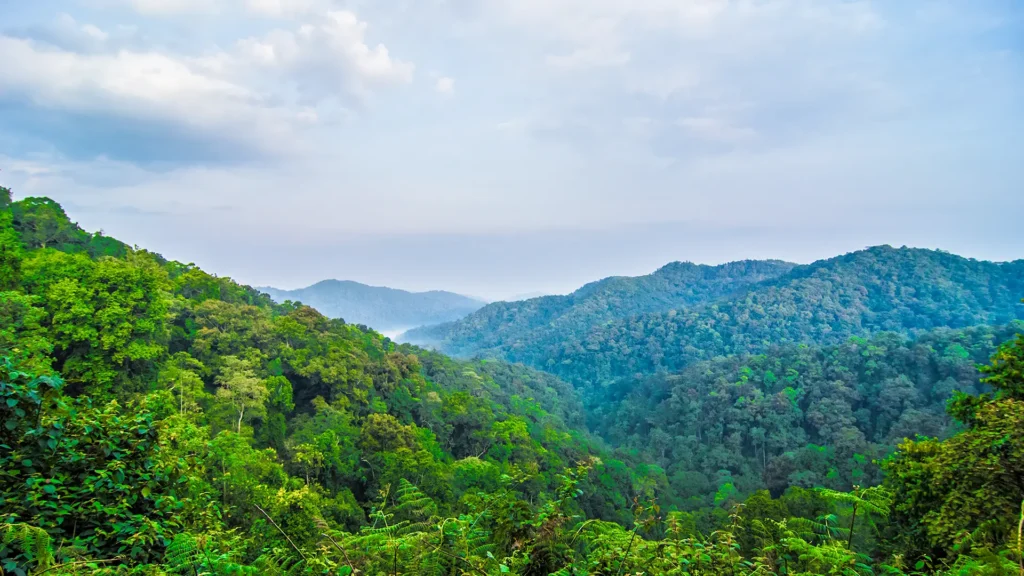
There is something fundamentally different about searching for wildlife in a rainforest. On an open savannah, visibility can work in the traveller’s favour. You can scan a wide landscape, identify movement in the distance and sometimes see animals from several hundred metres away. In a forest, the environment closes around you. Vegetation limits visibility, sounds travel unpredictably and the animals may be hidden only a few metres away.
The experience therefore becomes less about simply finding an animal and more about learning how to read the environment. A guide may stop suddenly because of a distant call, a broken branch or movement high in the canopy. What initially appears to be an ordinary section of forest can suddenly become the setting for an extraordinary wildlife encounter.
This is one of the reasons gorilla trekking in Uganda, Rwanda and the Democratic Republic of Congo has developed into such a distinctive form of wildlife tourism. In Uganda, gorilla tracking takes place in Bwindi Impenetrable National Park and Mgahinga Gorilla National Park. The experience can involve several hours of walking through challenging terrain before visitors reach a habituated gorilla family, making the journey itself an important part of the experience.
The significance of gorilla trekking also extends beyond the encounter with the animals. Bwindi is not simply a place where travellers go to find gorillas. It is a complex protected ecosystem in which conservation, research, tourism and neighbouring communities are closely connected. Uganda’s long-term conservation work with mountain gorillas demonstrates how wildlife tourism can become part of a much larger conservation system when protected areas, scientific research, tourism revenue and community participation work together.
This changes the meaning of the experience. The photograph of a gorilla is not simply a souvenir from a wildlife encounter; it represents a moment within a much larger story about protecting one of the world’s most threatened and closely studied primates.
Chimpanzees Offer a Different Kind of Wildlife Encounter
Chimpanzee tracking provides another example of how different African wildlife experiences can be from the traditional safari. Chimpanzees are highly social animals, and their behaviour can make a forest feel remarkably alive. Their calls can travel through the canopy, groups can move rapidly between trees and their interactions can change from one moment to the next.
Uganda is particularly important for travellers interested in chimpanzees and other primates. Uganda Wildlife Authority’s 2026 wildlife report estimated more than 6,000 chimpanzees across major forest ecosystems, while a 2025 census in Bwindi estimated a population of 426 chimpanzees within the park. These figures are not simply statistics for conservation reports; they help illustrate the ecological importance of Uganda’s forests and the scientific work required to understand and protect the wildlife living within them.
This is where a deeper approach to wildlife travel becomes important. Instead of asking only which animals can be seen, travellers can begin asking what makes it possible for those animals to survive. What protects the forest? How is wildlife monitored? How do nearby communities interact with protected areas? What role does tourism play in supporting conservation?
Those questions turn a wildlife excursion into a much richer travel experience because the traveller begins to understand the environment rather than simply passing through it.
Sometimes the Most Extraordinary Animal Is the One You Almost Miss
There is another side of African wildlife that receives considerably less attention from mainstream safari marketing: birds. For dedicated birdwatchers, Africa can become an entirely different continent, with journeys planned around species, habitats and migration patterns rather than large mammals.
Uganda is particularly notable in this respect. Uganda Wildlife Authority lists more than 1,000 bird species recorded in the country, making birdwatching an important part of its nature tourism offering. Murchison Falls National Park, for example, is known for the shoebill, while Bwindi, Mgahinga and other ecosystems provide opportunities to encounter a wide range of forest and Albertine Rift bird species.
The shoebill illustrates why wildlife tourism should not always be measured by size or familiarity. It does not have the cultural recognition of a lion, the imposing presence of an elephant or the dramatic reputation of a leopard. Instead, it has become famous among birders because of its unusual appearance, habitat and behaviour. Seeing one in a wetland can require patience, careful guidance and an understanding of the environment.
That experience also reveals something important about African tourism. There is no single definition of a wildlife traveller. A photographer may be searching for particular light and animal behaviour. A birder may spend hours waiting for one species. A primate enthusiast may care more about forest ecosystems than open plains. A conservation-minded traveller may want to understand restoration and community initiatives. A family may want a mixture of wildlife, culture and accessible outdoor activities.
A well-designed African journey does not have to force all of these travellers into the same itinerary. It can instead begin with understanding what the traveller actually wants to experience.
The Landscape Is Part of the Wildlife Experience
One of the easiest mistakes to make when planning an African safari is to treat the landscape as scenery behind the animals. In reality, the landscape determines much of what can be seen, how wildlife behaves and what kind of experience a traveller will have.
A wetland creates a different ecological environment from a savannah. A rainforest produces a different wildlife experience from a desert. A volcanic mountain supports different species and activities from a coastal ecosystem. Water can completely transform the way wildlife is observed, while dense forest can require walking and tracking rather than vehicle-based viewing.
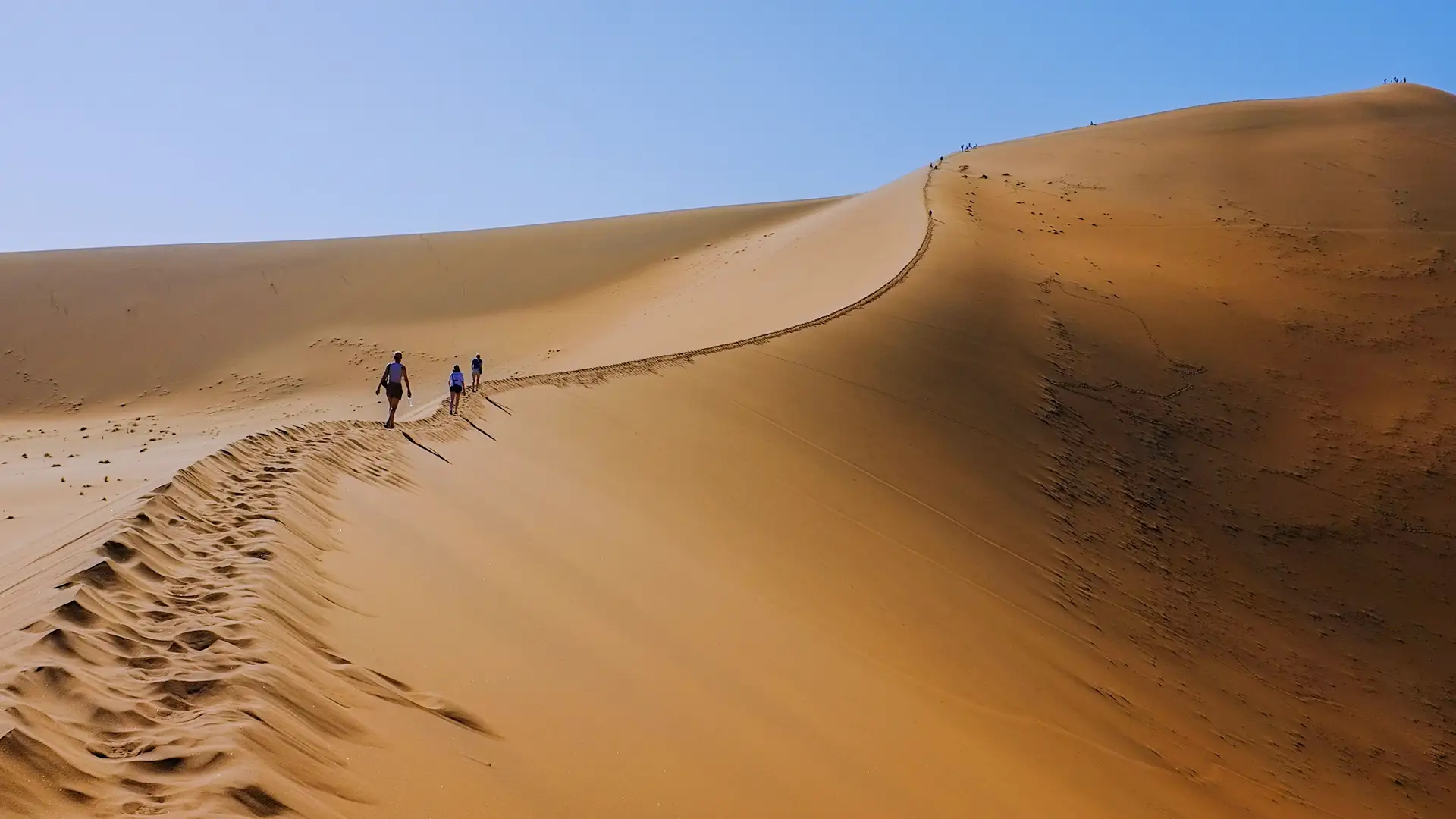
Uganda demonstrates this ecological diversity particularly well. Within the same country, travellers can move from savannah landscapes to tropical forests, volcanic mountains and wetlands. Across the wider continent, the contrasts become even more pronounced. Botswana’s Okavango Delta offers a wildlife experience shaped by water, Namibia’s desert environments create a dramatically different relationship between wildlife and landscape, Madagascar’s isolation has produced unique species found nowhere else, and East Africa’s forests provide some of the world’s most significant habitats for great apes and other primates.
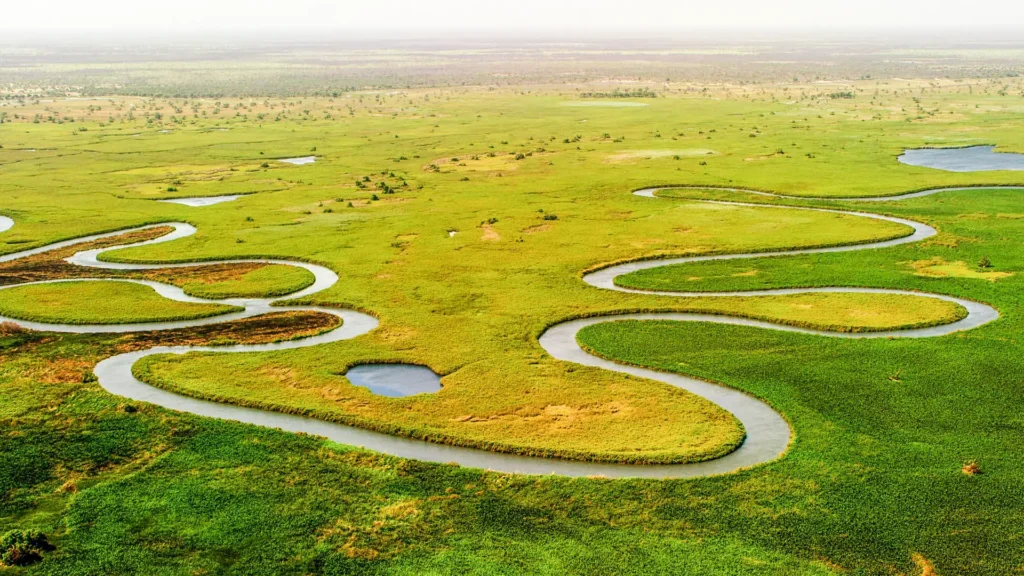
The important point is not to create another list of African destinations. It is to recognise that Africa is an ecological continent before it is a safari brand. Understanding that diversity allows travellers to build journeys around landscapes and experiences rather than simply collecting destinations.
A Safari Can Become More Meaningful When the Animal Is Not the Whole Story
There is a temptation in modern travel to measure an itinerary by how many attractions can be fitted into it. A traveller may be promised several parks, multiple wildlife encounters and a long list of destinations within a relatively short period. While this can produce an impressive itinerary on paper, more does not automatically mean more meaningful.
Consider the difference between spending several days moving rapidly between destinations in search of as many animals as possible and spending those same days becoming familiar with one landscape. In the second scenario, there is time to understand the environment, listen to the sounds around the accommodation, learn from a guide, visit a community, observe wildlife without constantly rushing to the next location and appreciate the changes in light and landscape.
The second journey may produce fewer photographs, but it can produce a stronger connection with the destination.
This is why thoughtful safari planning matters. An African itinerary should have a rhythm. Wildlife can be combined with culture, walking, landscapes, food, photography or simply time to absorb the environment. Travellers do not necessarily need to see every major attraction in one trip to have experienced Africa meaningfully.
That approach also creates opportunities to connect tourism with the communities surrounding protected areas. UN Tourism has increasingly highlighted the relationship between tourism, rural development, cultural preservation, biodiversity and community wellbeing. Its Best Tourism Villages programme, for example, focuses on destinations where tourism can work alongside local traditions, natural heritage and community development.
For Africa, that relationship is particularly significant because many protected landscapes exist alongside communities whose livelihoods and daily lives are connected to the same environments that attract international visitors.
Conservation Is Becoming Part of the Journey
A traveller does not need to become a conservation scientist to appreciate the conservation story behind an African wildlife experience. However, understanding that story can fundamentally change the way a destination is perceived.
Uganda’s recent wildlife assessments provide a useful illustration. The 2026 State of Wildlife Resources report recorded increases in several species, including buffalo, hippopotamus, Uganda kob, zebra and giraffe, while also providing updated information about chimpanzees, mountain gorillas and other wildlife. At the same time, conservation authorities continue to emphasise that progress is not uniform across every species or ecosystem.
That distinction is important because conservation is not a finished success story. Some species recover, others remain under pressure, habitats require continued protection and restoration, and communities living alongside protected areas face complex challenges that cannot be solved simply by increasing visitor numbers.
Tourism therefore exists within a much larger system. When responsibly managed, it can contribute to conservation financing, employment, community income and the economic value attached to protected landscapes. At the same time, poorly managed tourism can create its own environmental and social pressures.
For travellers, this means that a good wildlife experience should not be judged only by whether the perfect photograph was obtained. It is also worth asking what kind of tourism the experience supports and whether the people and ecosystems that make the journey possible are benefiting from it.
The Future of African Wildlife Travel May Be More Diverse
The traditional safari is not disappearing, nor should it. There is nothing outdated about wanting to watch lions at sunrise, follow elephants across a savannah or search for a leopard in woodland. Those experiences remain among the great attractions of African travel.
The opportunity is to broaden the definition of what an African wildlife journey can be.
A traveller might begin with a conventional game drive and then enter a rainforest. They might combine chimpanzee tracking with a cultural experience, add mountain hiking to a wildlife itinerary or spend time exploring wetlands and birdlife rather than moving immediately to another national park. Someone interested in photography might build a journey around landscapes and animal behaviour, while another traveller might want to understand conservation projects and community tourism.
Uganda Wildlife Authority’s 2026–2030 strategic direction reflects this broader approach, with tourism product diversification identified as an important area of development, including opportunities around water-based tourism, community conservation and specialised experiences.
This suggests an important future for African wildlife tourism. The answer is not to move away from wildlife, but to create more ways for travellers to experience it.
Africa Does Not Need to Be Reduced to One Safari Story
There is another reason to move beyond the Big Five. When the same safari narrative is repeated everywhere, travellers can begin to think of Africa as a single destination with a predictable set of experiences.
It is not.
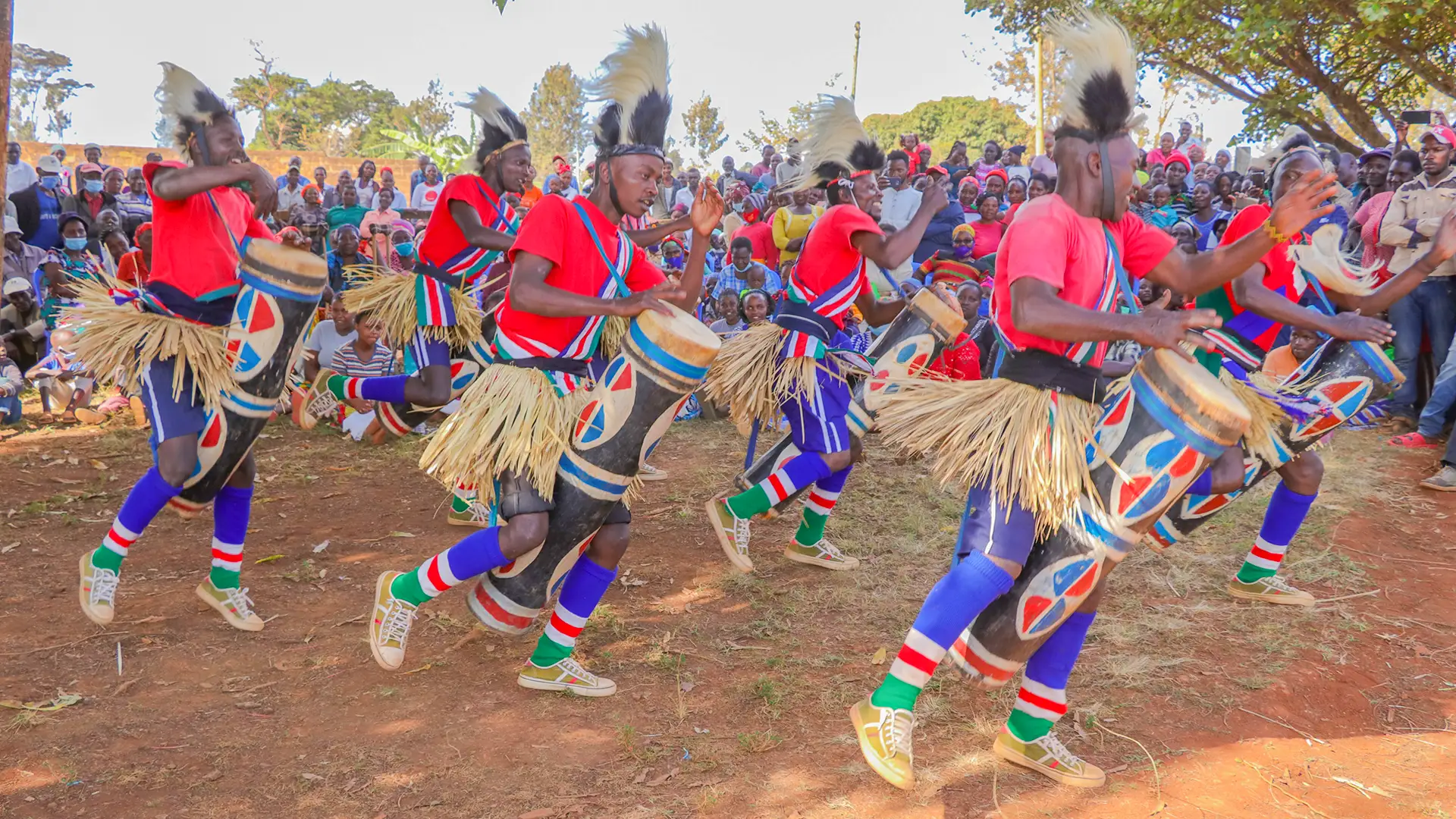
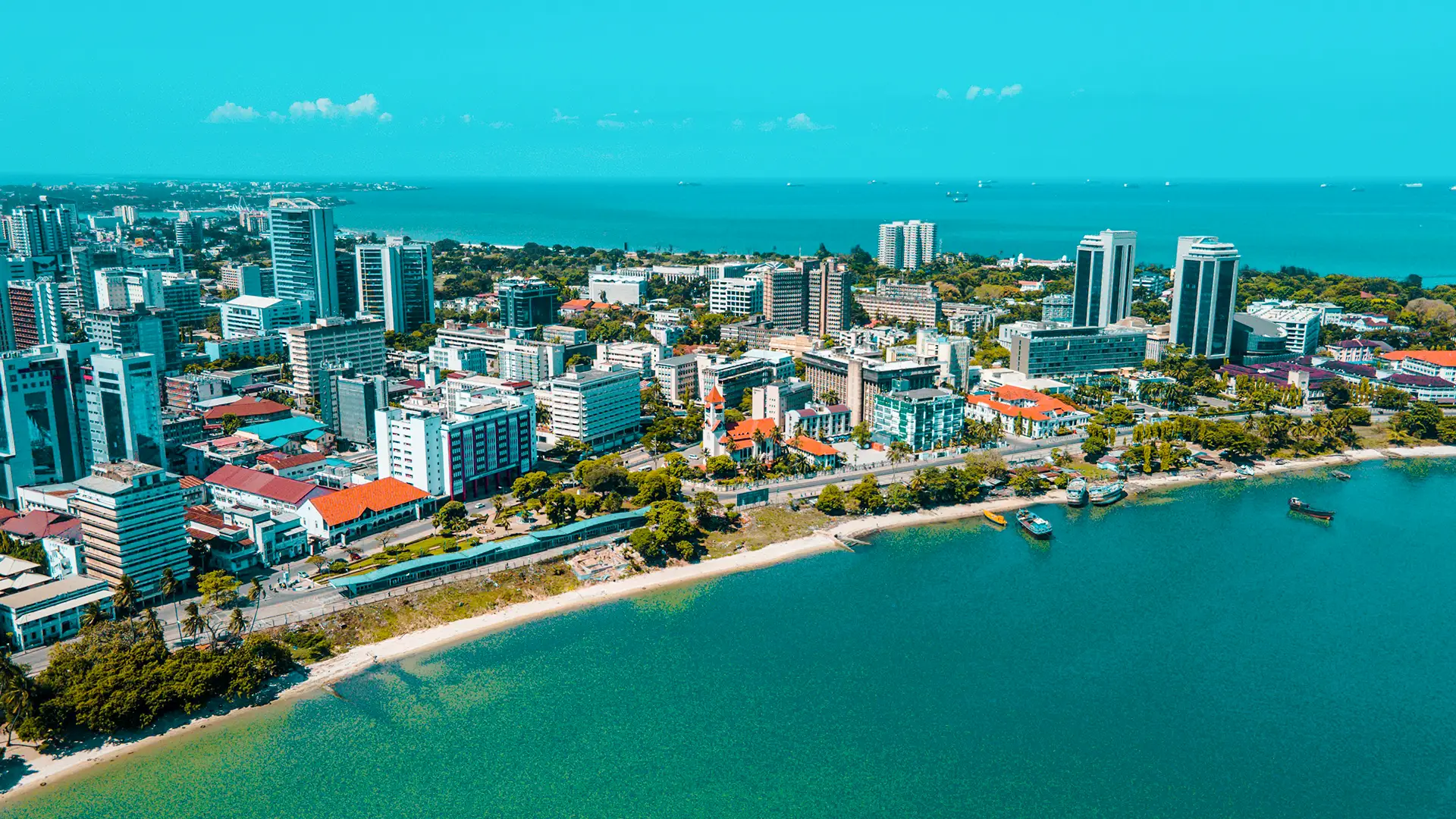
The wildlife experience of Uganda is different from Kenya. Kenya is different from Tanzania. Tanzania is different from Botswana, and Botswana is different from Namibia or South Africa. Even within a single country, moving between ecosystems can completely change what a traveller sees and how they experience the destination.
This diversity should not be treated as a marketing problem. It is one of Africa’s greatest tourism assets.
For travel advisers and safari planners, the challenge is therefore not simply to sell a destination. It is to understand what kind of experience a traveller is looking for and then connect that motivation with the landscape that can deliver it.
Someone fascinated by primates may need a completely different itinerary from someone whose dream is to photograph big cats. Someone interested in mountains may want to combine wildlife with trekking, while a traveller interested in culture may value time with communities just as much as time inside a national park. A first-time visitor may not even know which type of traveller they are until they begin exploring the possibilities.
That is where thoughtful travel advice becomes more valuable than a generic safari package.
Perhaps the Real Question Is Not “Did You See the Big Five?”
Years after a journey, a traveller may remember the lion they photographed. But they may also remember the sound of chimpanzees calling through a forest, the moment a mountain gorilla looked directly at them, the strange prehistoric appearance of a shoebill standing in a wetland, the silence of a desert at sunrise or the sight of elephants moving through water.
They may remember a guide explaining something they would never have discovered alone, a difficult walk that turned out to be worth every step, a meal shared after a long day in the field or a landscape that looked completely different from anything they had known before.
These are not secondary African experiences. They are part of the continent’s wildlife story.
The Big Five will always have their place in safari tourism, but they should never become the entire story. Africa’s wildlife is too diverse, its ecosystems too complex and its cultures too deeply connected to the land for the continent to be reduced to five animals.
For travellers planning an African journey, perhaps the more useful question is not simply where they can see the most famous animals. It is what part of Africa they want to understand.
That question opens considerably more possibilities.
Explore Africa Beyond the Expected
At Explore Africa Adventures, we believe an African journey should be built around more than a checklist of famous animals. Whether the experience leads into Uganda’s forests in search of gorillas and chimpanzees, across savannah landscapes in search of wildlife, into the mountains, toward Africa’s cultures or eventually beyond Uganda into other parts of the continent, the journey should reflect the traveller as much as the destination.
Africa has never been one experience. It is a continent of different landscapes, wildlife, cultures, histories and rhythms. The most rewarding journey may therefore not be the one that tries to see everything, but the one that creates enough space to genuinely experience where you are.
Explore Africa with confidence. Experience the continent beyond the obvious.