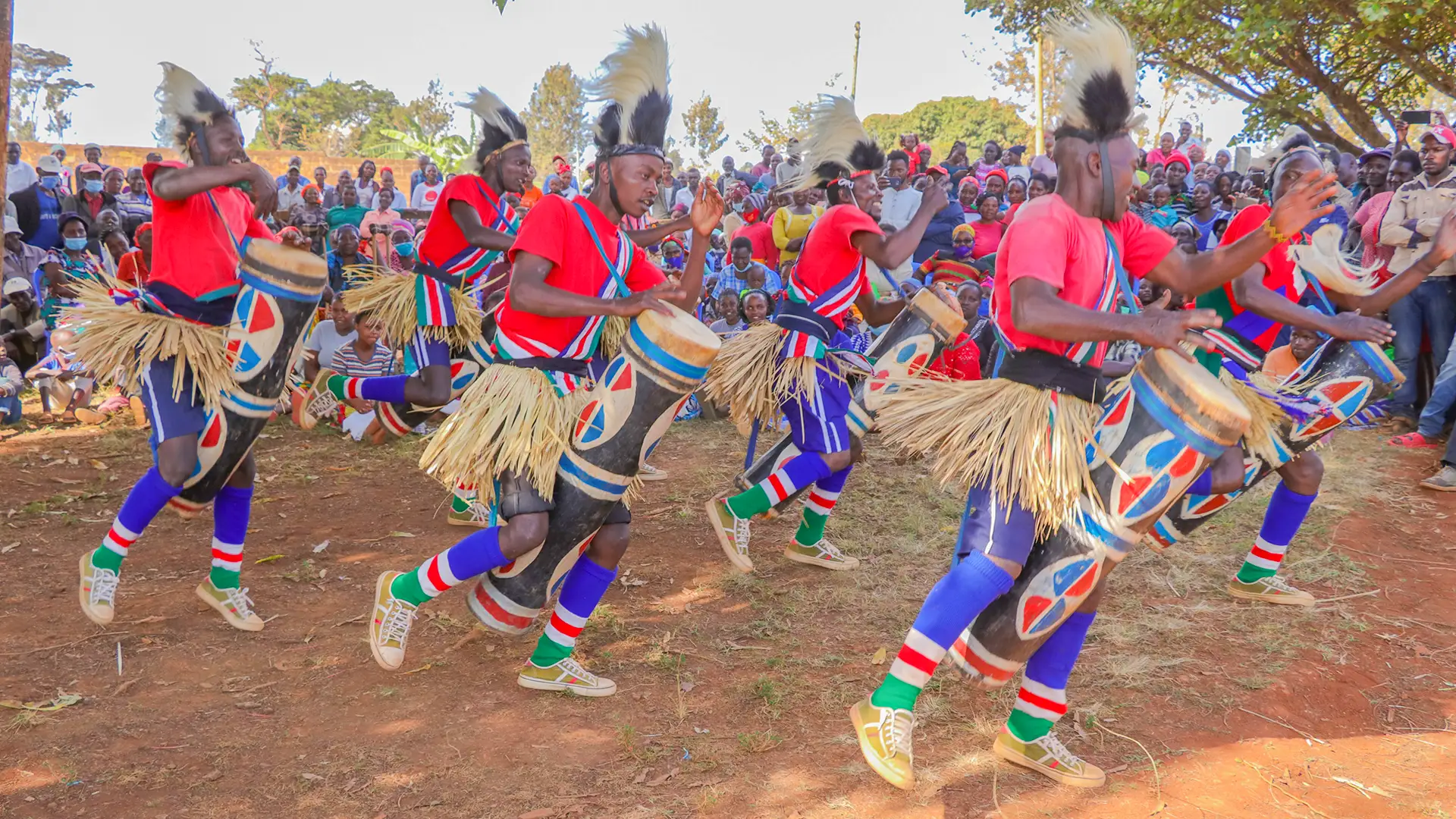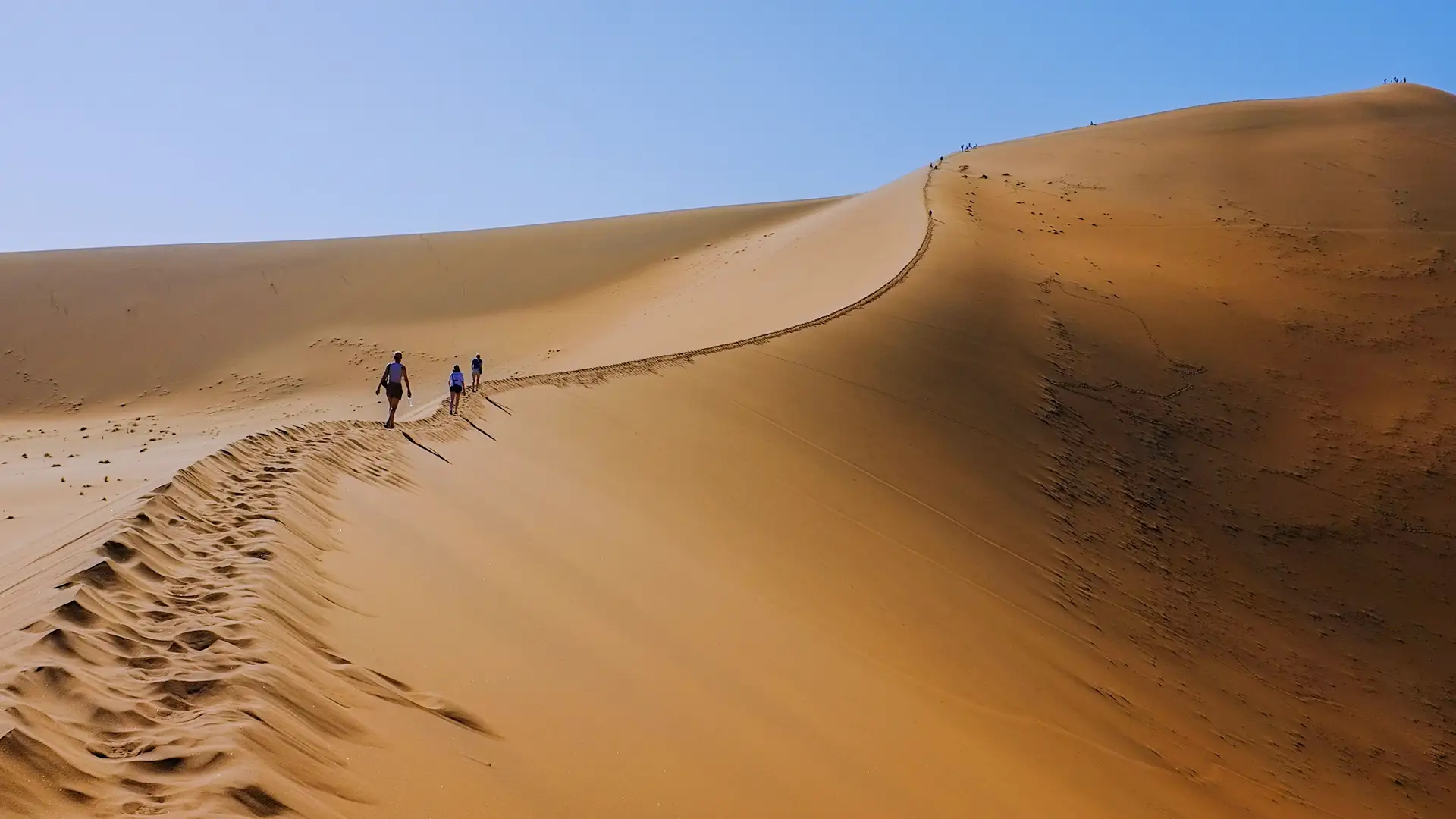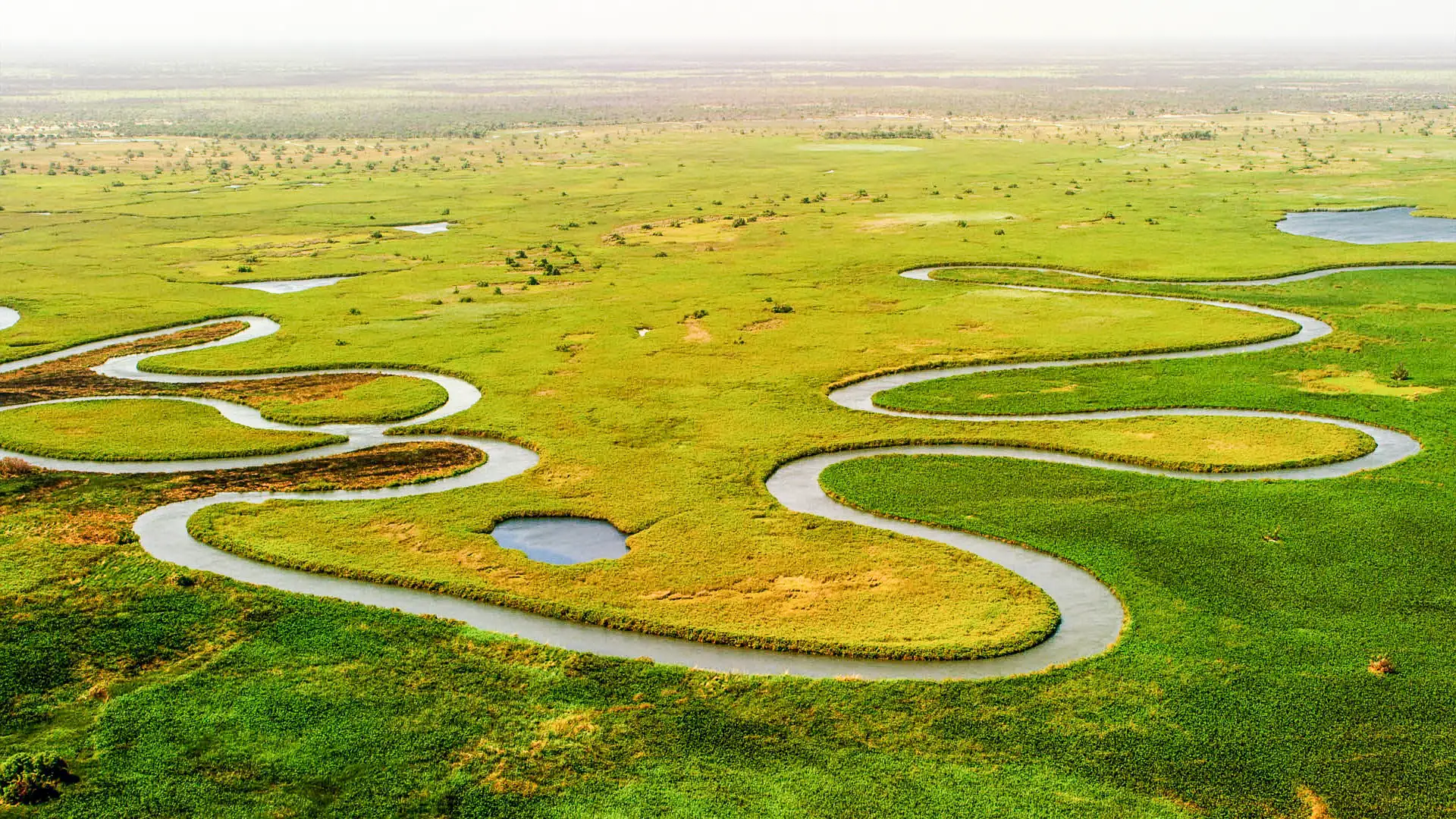
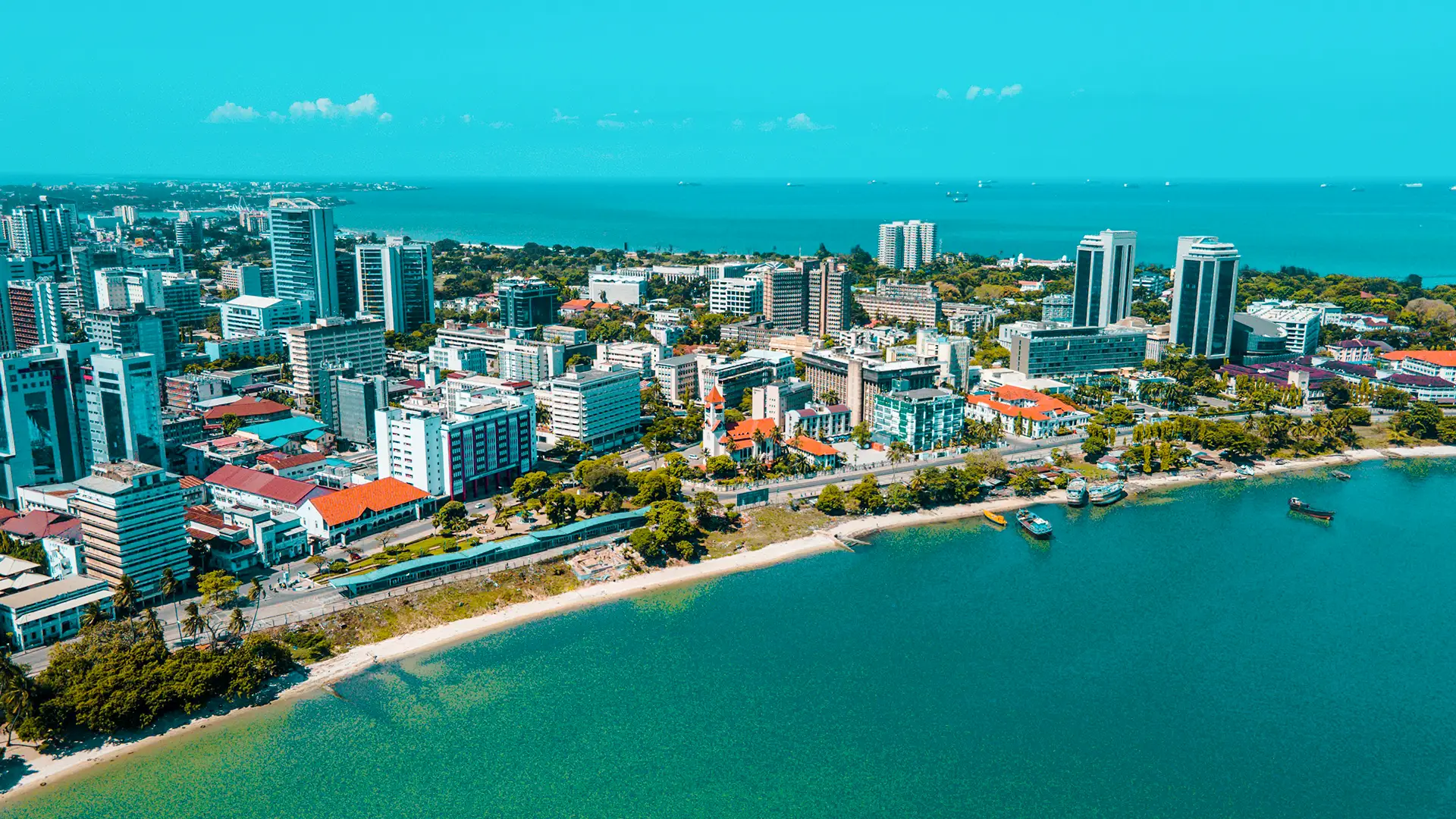
Africa is often introduced to travellers through its wilderness. Images of elephants crossing open savannahs, lions resting beneath acacia trees, gorillas moving through misty forests and vast landscapes stretching towards the horizon have become powerful symbols of travel on the continent. For many people planning their first African holiday, the itinerary therefore seems straightforward: arrive in a major city, spend a night or two, and then leave for the national park where the “real” African experience begins.
The continent’s cities offer another way of understanding the countries travellers come to explore. They are places where history meets modern life, where traditional food exists alongside contemporary cuisine, where music, fashion, art and entrepreneurship are constantly evolving, and where travellers can encounter the everyday experiences of the people who call these destinations home. Nairobi, Kigali, Cape Town, Marrakech and Cairo are not simply airports or transfer points on the way to somewhere else. They are destinations with stories of their own, and including them in a safari itinerary can make an African journey considerably richer.
For travellers willing to slow down and look beyond the traditional safari route, combining African cities with wildlife, nature and cultural experiences creates a more complete picture of the continent. The wilderness may provide the dramatic moments that first inspire the journey, but the cities often provide the context that helps travellers understand where they are and why the destination is so much more than the scenery captured in photographs.
The City Is Part of the African Experience
One of the most common mistakes travellers make when planning an African safari is treating the city as something that has to be endured before reaching the national park. A flight arrives in Nairobi, Kigali or another regional hub, the traveller spends one night in a hotel, and the following morning a vehicle heads towards the wilderness. From a logistical perspective, this makes sense. From a travel perspective, however, it can mean missing an important part of the destination.
African cities are increasingly becoming significant cultural and economic centres in their own right. They are places where different generations, cultures and influences meet. A traveller walking through Nairobi encounters a very different side of Kenya from the one experienced on the plains of the Maasai Mara. Someone exploring Kigali encounters a different Rwanda from the one experienced while trekking through the forests of Volcanoes National Park. A visitor spending several days in Cape Town discovers a side of South Africa that cannot be understood simply through a wildlife itinerary.
This does not make the city more important than the national park, nor does it mean that every traveller needs to spend a week in an urban centre. The point is that the two experiences complement each other. The city introduces the people, history, cuisine, creativity and contemporary character of a country, while the wilderness introduces its landscapes, wildlife and natural heritage. When these experiences are brought together, the traveller begins to see the destination as a connected story rather than a collection of isolated attractions.
That is particularly valuable for first-time visitors to Africa. A safari can show you what makes the continent extraordinary, but time in a city can help you understand the society surrounding that wilderness. The result is a journey that moves beyond simply seeing Africa and towards actually experiencing it.
Nairobi Shows Why a Safari Can Begin Before the Savannah
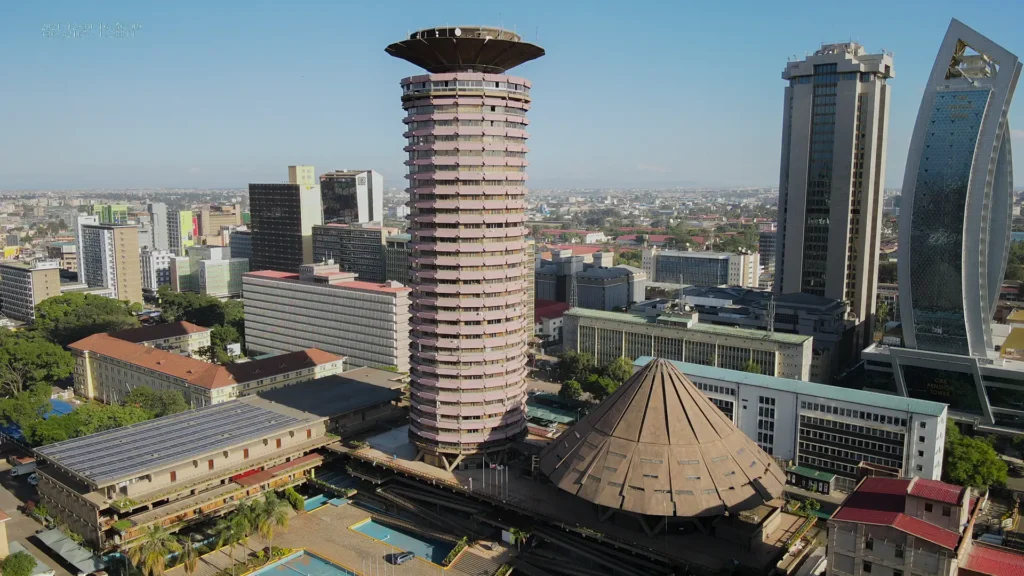
Nairobi is one of the clearest examples of why African cities deserve more attention from safari travellers. Kenya is globally recognised for destinations such as the Maasai Mara, Amboseli and Tsavo, and these landscapes understandably dominate many travel itineraries. Yet Nairobi itself has developed into an important destination where travellers can experience Kenyan food, culture, creativity and urban life before heading into the country’s famous wildlife areas.
The city’s importance to tourism also reflects the wider economic role of travel in Kenya. According to the World Travel & Tourism Council, Kenya’s Travel & Tourism sector contributed approximately $12.7 billion to the country’s economy in 2025, equivalent to 9.3% of national GDP, while supporting around 1.8 million jobs. International visitors accounted for more than half of tourism spending during that period. These figures demonstrate that tourism is not confined to game drives and national parks. It supports a much wider network of accommodation providers, restaurants, transport companies, guides, cultural businesses and other enterprises across the country.
For a traveller, that wider tourism ecosystem can become part of the experience. Nairobi offers opportunities to discover Kenyan cuisine, visit cultural and creative spaces, explore local markets and experience the energy of one of East Africa’s major metropolitan centres. A few days in the city can therefore create a natural introduction to Kenya before the journey changes pace and moves into the open landscapes of the Maasai Mara or another safari destination.
This transition can be especially rewarding because of the contrast. Nairobi is busy, energetic and constantly moving, while the safari environment can feel expansive and quiet. After experiencing the movement of the city, the silence of the savannah becomes even more noticeable. Likewise, returning to Nairobi after several days in the wilderness can provide a completely different experience because the traveller now sees the city with the perspective of having experienced another side of the country.
Kigali Adds Another Dimension to a Rwanda Journey
Rwanda offers a different but equally compelling example. For many international visitors, Rwanda is strongly associated with mountain gorillas and the dramatic volcanic landscapes of the country’s north-west. Gorilla trekking is undoubtedly one of the experiences that has placed Rwanda firmly on the international tourism map, but concentrating exclusively on the gorillas can leave travellers with only part of the country’s story.
The capital has developed a reputation for being clean, organised and increasingly dynamic, while also offering cultural attractions, restaurants, markets, creative spaces and important historical sites. Visit Rwanda highlights the city’s cultural heritage, green spaces and growing creative scene, while places such as the Kigali Cultural Village provide opportunities to encounter local food, crafts, music and community activities.
For many visitors, the Kigali Genocide Memorial is also an important part of understanding the country’s modern history. The site provides historical information and a place of remembrance connected to the 1994 Genocide against the Tutsi. Visiting such a place requires sensitivity, but it can also help travellers understand Rwanda’s history and the context behind the country’s continuing emphasis on reconciliation and social development.
From Kigali, the journey can then continue towards Volcanoes National Park, where the atmosphere changes dramatically. The urban environment gives way to volcanic landscapes, forest and mountain ecosystems. The traveller moves from Rwanda’s contemporary capital into one of its most remarkable natural environments.
The value of combining these experiences lies in the transition. Kigali introduces the traveller to the country’s people, history and modern identity, while the northern landscapes reveal another side of Rwanda’s natural heritage. Rather than seeing gorilla trekking as the entire Rwandan experience, the traveller begins to understand it as one part of a much broader journey.
Cape Town Demonstrates That the City Can Be a Destination in Its Own Right
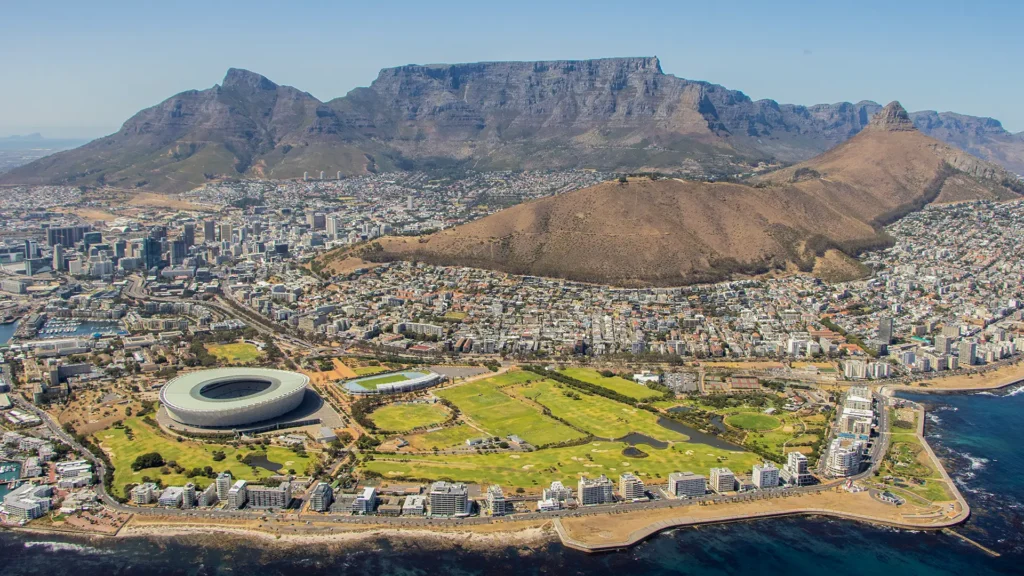
South Africa provides perhaps one of the strongest arguments for giving African cities more space within travel itineraries. Cape Town is not simply a gateway to wildlife experiences elsewhere in the country. It is a major destination with its own combination of mountains, coastline, history, food, culture and outdoor experiences.
The city’s tourism offering reflects this diversity. Cape Town Tourism promotes experiences ranging from arts and culture to beaches, food and drink, nature, wellness, nightlife and shopping. This means that a traveller can construct several very different itineraries around the city without ever needing to treat it simply as a stop before a safari.
The city’s location also makes it particularly suitable for travellers who want variety. Table Mountain, the Cape Peninsula, coastal communities, historic areas, restaurants, vineyards and surrounding landscapes can all form part of a journey that feels very different from the traditional East African safari experience.
Cape Town’s relationship with surrounding destinations also demonstrates how tourism can become stronger when complementary experiences are connected. In 2026, Cape Town Tourism and Visit Stellenbosch announced a joint marketing partnership designed to encourage visitors to experience both destinations. The idea was to connect Cape Town’s coastal, cultural and urban experiences with Stellenbosch’s wine, food, heritage, art and nature attractions.
This illustrates an important principle for African travel more broadly: travellers do not necessarily want destinations presented as isolated products. Increasingly, there is value in connecting places that provide different experiences within the same journey.
A South African itinerary, for example, could combine several days exploring Cape Town with time in a wildlife destination, creating a journey that includes urban culture, mountains, coastline, food and safari. Instead of forcing the traveller to choose between city and wilderness, the itinerary allows both to contribute something different.
Marrakech Shows the Relationship Between Heritage and Modern Africa
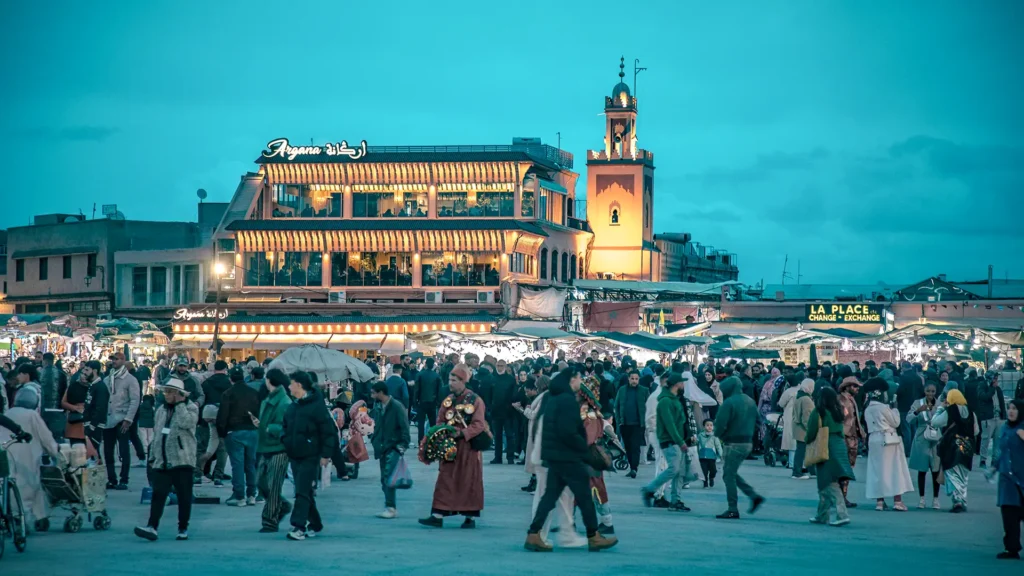
Morocco demonstrates another reason cities deserve attention. Marrakech is often included in itineraries that also feature the Atlas Mountains, the Sahara Desert or Morocco’s Atlantic and Mediterranean coastlines. Yet the city itself contains enough history, architecture, food and craftsmanship to justify spending meaningful time there.
The relationship between traditional and contemporary life is particularly visible in Marrakech. The historic medina and its souks provide an environment where traditional craftsmanship remains central to the visitor experience, while areas such as Gueliz present a more contemporary side of the city. This combination allows travellers to see how Morocco’s heritage continues to exist alongside modern urban life.
For a traveller, this makes Marrakech more than a convenient starting point for a desert or mountain adventure. The city can serve as the cultural foundation of the journey. Walking through its historic streets, exploring markets, tasting Moroccan cuisine and observing local craftsmanship can provide context before the traveller moves towards a completely different environment.
The transition from Marrakech to the Atlas Mountains or the Sahara is part of what makes the experience memorable. Within a relatively short journey, the traveller can move from a dense historic urban environment into dramatic mountain or desert landscapes.
Cairo Is More Than a Gateway to the Pyramids
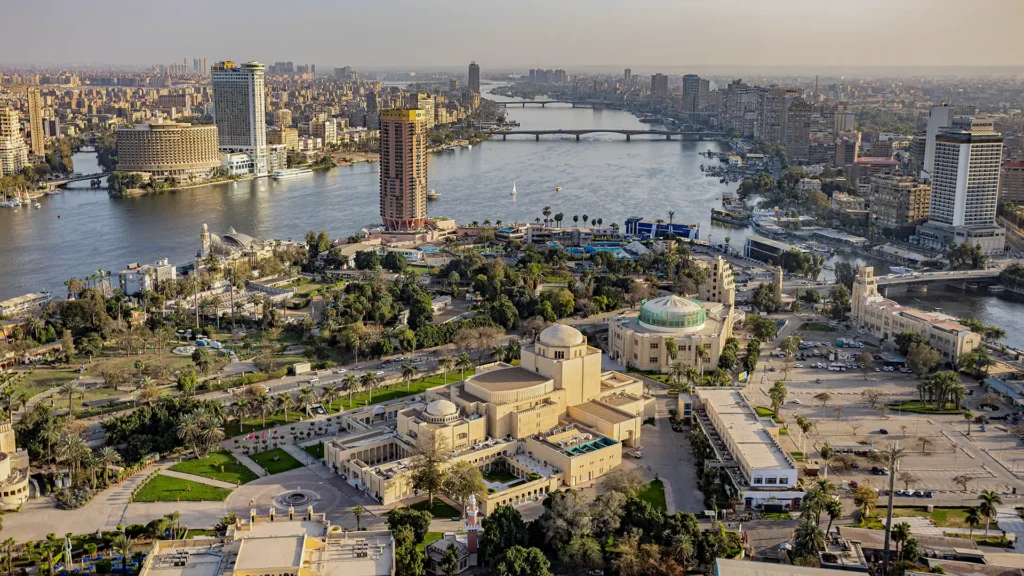
Few African cities demonstrate the relationship between history and modern life as dramatically as Cairo. For many travellers, Egypt begins and ends with the pyramids. They are among the world’s most recognisable monuments, and naturally occupy an important position in Egyptian tourism. But spending time in Cairo allows visitors to see the pyramids within the context of a living city rather than treating them as an isolated attraction.
Cairo is a place of markets, food, architecture, museums, neighbourhoods, commerce and everyday life. The city provides an opportunity to experience contemporary Egypt alongside the country’s ancient heritage.
That distinction can change how a traveller experiences the famous archaeological sites. Instead of seeing the pyramids as a disconnected monument from a distant civilisation, visitors can begin to understand them as part of a much longer Egyptian story that continues into the present.
For travellers with more time, Cairo can therefore become the beginning of a wider Egyptian itinerary. The journey might continue towards Luxor and the ancient sites of the Nile Valley, through Aswan, or towards the Red Sea. Each destination contributes something different, while Cairo provides an important introduction to the country.
The same principle applies across Africa. Historical sites become more meaningful when travellers encounter the living communities, food, culture and contemporary society surrounding them.
Food Can Become One of the Best Reasons to Add a City
One of the simplest ways to understand a country is through its food, and African cities provide some of the best opportunities to explore this side of the continent.
A safari lodge can offer an excellent introduction to local ingredients and traditional dishes, but cities bring together a much wider range of culinary influences. Restaurants, markets, street-food vendors, cafés and contemporary chefs create spaces where traditional cuisine interacts with modern lifestyles and influences from different communities.
A traveller in Nairobi might discover Kenyan dishes and ingredients that provide a cultural introduction before travelling into the Maasai Mara. In Kigali, food can become another way of encountering Rwandan culture before heading towards the gorilla habitats. Marrakech offers an opportunity to explore Moroccan cuisine within the historic environment of the medina, while Cape Town provides an extraordinarily diverse culinary landscape shaped by the city’s complex history and cultural influences.
Food also creates opportunities for more personal forms of travel. A market visit can reveal how local communities buy and sell ingredients. A cooking experience can explain the techniques behind traditional dishes. A conversation with a restaurant owner or local guide can reveal stories that are unlikely to appear in a standard sightseeing itinerary.
Cities Reveal Africa’s Contemporary Creative Identity
Another reason to include cities in an African itinerary is the opportunity to encounter the continent’s contemporary creative culture.
Africa’s influence on global music, fashion, photography, film, art and design has grown enormously. Yet travellers can understand these creative movements differently when they experience them in the places where artists, designers, musicians and entrepreneurs are building their careers.
Nairobi, Johannesburg, Cape Town, Lagos, Kigali, Accra, Marrakech and Cairo all represent different expressions of African urban creativity. The experience does not necessarily require a visit to a major museum or internationally recognised event. Sometimes the most meaningful encounters happen in smaller galleries, markets, neighbourhood restaurants, independent studios, live music venues or conversations with local people.
African cities demonstrate that the continent is also producing new ideas, new art, new businesses, new forms of music and new cultural movements. Including these experiences in a journey allows travellers to encounter Africa as a continent that is not only rich in history and natural heritage but also actively shaping its future.
The Power of a City-and-Safari Itinerary Is in the Contrast
Imagine spending your first few days in Nairobi, moving between restaurants, cultural spaces and busy streets before travelling into the open plains of the Maasai Mara. The change in environment becomes part of the adventure. The city is full of movement and human activity, while the savannah creates a sense of space and silence.
The same thing can happen in Rwanda. Kigali’s modern urban environment can be followed by the forests and volcanic landscapes of the country’s north. In Morocco, the historic streets of Marrakech can give way to the Atlas Mountains or the vast landscapes of the Sahara. In South Africa, Cape Town’s coastline and urban culture can be combined with wildlife and wilderness elsewhere in the country.
After several days surrounded by wildlife and natural landscapes, a city can feel energetic and refreshing. After several days in a busy urban environment, the quietness of a national park can feel extraordinary.
Good travel itineraries are often built around this kind of contrast. They give travellers different environments, different rhythms and different ways of experiencing a destination.
Cities Can Also Make Longer African Journeys More Practical
There is another practical advantage to giving cities a greater role in African itineraries: they often provide the infrastructure needed to connect different parts of the continent.
Major African cities are frequently home to international airports, regional flight connections, hotels, restaurants, transport services and other facilities that make multi-destination travel possible. For travellers visiting more than one country, these cities can naturally become connecting points.
A longer African journey might involve several days in Nairobi before continuing to another East African destination, or time in Kigali before connecting to another part of the region. A South African journey might use Cape Town as an urban base before continuing to a wildlife destination. Morocco and Egypt can similarly provide opportunities to combine urban experiences with mountains, desert, coast or historical sites.
This approach also creates opportunities for travel companies to build more sophisticated itineraries. Rather than selling a single safari in isolation, a travel adviser can combine complementary experiences around the traveller’s interests, available time and budget.
What Makes a City Worth Adding to a Safari?
Not every city needs to be added to every safari itinerary. The best choice depends on the traveller, the route, the available time and what they want to experience.
A city is particularly valuable when it adds something that the rest of the itinerary does not provide. It might offer historical context, exceptional food, contemporary art, architecture, shopping, nightlife, cultural experiences or a different pace of travel. It can also be useful when it connects naturally with a nearby wildlife destination or another country on the itinerary.
Nairobi can provide context for Kenya’s contemporary culture and tourism economy before a safari. Kigali can introduce Rwanda’s history and modern identity before a gorilla trek. Marrakech can reveal the relationship between Moroccan heritage and contemporary life before an adventure into the mountains or desert. Cape Town can bring together history, food, coastline and urban culture before a traveller continues towards South Africa’s wildlife areas. Cairo can provide the living context around Egypt’s ancient heritage.
The Future of African Travel Is About Connecting Experiences
African tourism has enormous potential to connect experiences that have traditionally been marketed separately. Wildlife, culture, food, history, adventure, cities, beaches and conservation do not have to compete with one another. In many cases, they become more valuable when they are combined.
Tourism also creates economic activity far beyond the boundaries of national parks. Hotels, restaurants, transport providers, guides, cultural institutions, artisans, photographers, tour operators and countless small businesses participate in the visitor economy. The World Bank has highlighted tourism’s ability to generate employment and investment across Sub-Saharan Africa, reinforcing the importance of viewing tourism as a broad economic sector rather than simply a safari industry.
A traveller who spends additional time in a city is likely to interact with a wider range of businesses and communities. A travel company that designs itineraries connecting cities, wildlife areas and cultural experiences can create more opportunities for travellers while also distributing tourism spending across a broader network.