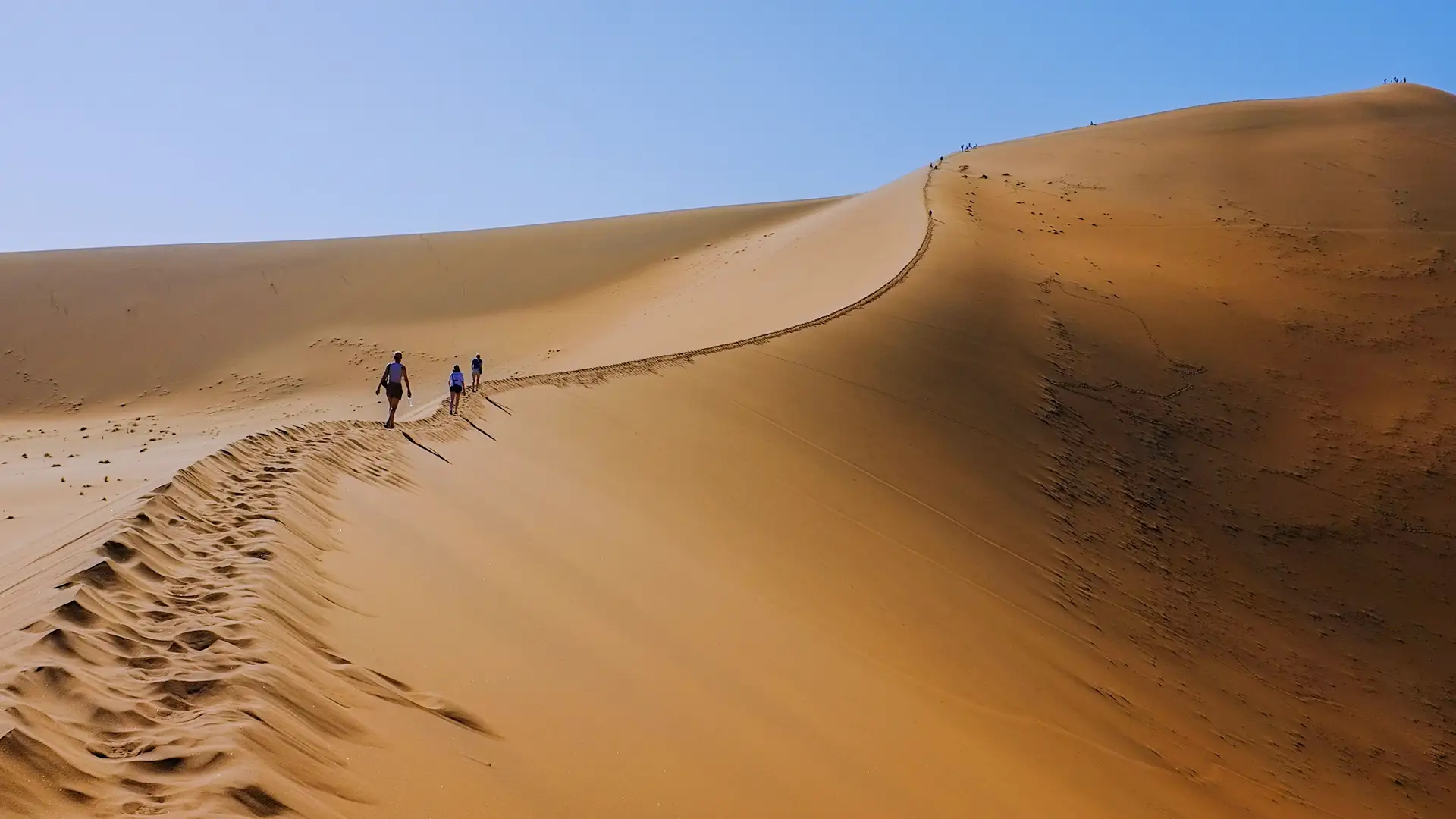
There are some African landscapes that immediately challenge what you think Africa should look like. Namibia is one of them. Instead of the familiar image of endless green savannahs filled with large herds of wildlife, visitors can find themselves surrounded by enormous orange dunes, rugged mountains, vast salt pans, windswept coastlines and seemingly endless stretches of desert. Yet, somewhere within those apparently harsh environments, wildlife continues to thrive.
That contrast is one of Namibia’s greatest attractions. A giraffe can appear among dry vegetation, an oryx can cross a seemingly empty desert landscape, and elephants can move through dry riverbeds where water may be difficult to find. Along the Atlantic coast, thick fog can roll across the desert while the cold ocean stretches beyond it. Farther inland, some of Africa’s most memorable wildlife experiences unfold around waterholes and open plains.
Namibia therefore offers a different way of experiencing Africa. The journey is not only about finding wildlife, although the country’s wildlife is certainly important. It is also about understanding the landscapes in which that wildlife survives. The desert, mountains, coastline, salt pans, rivers and open plains all become part of the story.
The Scale of Namibia Is Part of the Experience
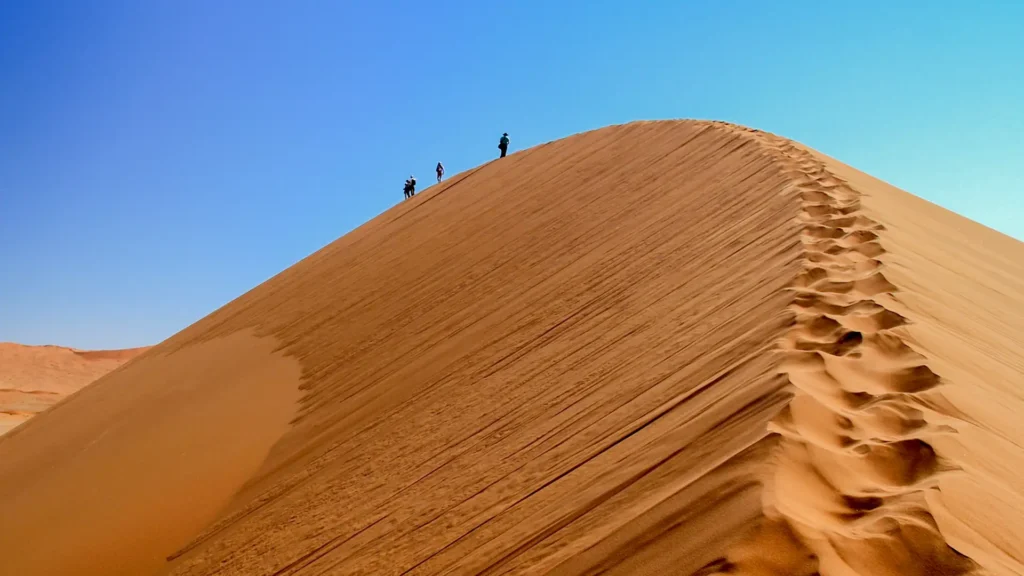
One of the first things travellers notice about Namibia is its extraordinary sense of space. Roads can stretch towards distant horizons for hours, while mountains and dunes appear far away before gradually becoming more prominent. In many areas, there are no dense settlements or busy tourist centres interrupting the landscape, allowing the journey itself to become part of the experience.
This scale changes the rhythm of travel. Namibia is not necessarily a destination where travellers should rush from one attraction to another simply to collect photographs. The distances between destinations can be significant, but those journeys provide opportunities to watch the landscape transform. A rocky mountain environment can gradually become dry desert, while vegetation, soil colour and terrain continue changing as the road moves towards the coast.
For travellers who enjoy photography, nature and open spaces, this is one of Namibia’s greatest strengths. The country gives you time to notice details that can easily disappear in a faster-paced itinerary. The shape of a dune, the movement of clouds across a huge sky, an animal standing alone against the horizon or the changing colours of the landscape can become as memorable as the major attractions themselves.
Namibia therefore rewards travellers who are willing to slow down. Instead of measuring the experience by how many attractions can be visited in a single day, it is often more rewarding to allow the landscape to reveal itself gradually.
The Namib Desert Is Far More Alive Than It Appears
The Namib Desert is often associated with extreme dryness and vast stretches of sand, but describing it simply as an empty landscape misses one of its most fascinating characteristics. Life exists here because species have developed extraordinary ways of adapting to conditions that would be difficult for many other forms of life.
The Namib Sand Sea, recognised by UNESCO as a World Heritage property, covers more than three million hectares and contains extensive dune fields influenced by coastal fog. UNESCO describes it as the world’s only coastal desert with extensive dune fields shaped by fog, while also highlighting the remarkable adaptations of species living within this extreme environment.
Fog is particularly important to understanding this landscape. Rainfall can be extremely limited in parts of the Namib, yet moisture arriving from the Atlantic can contribute to the survival of specialised organisms. Plants and animals have developed ways of taking advantage of even small amounts of available moisture, creating an ecosystem that may initially look barren but becomes increasingly fascinating when examined closely.
This is one of the most important lessons Namibia offers visitors. A desert does not necessarily mean an absence of life. Sometimes it means life has become highly specialised. Once travellers begin looking beyond the obvious scenery, the Namib becomes a story about adaptation, survival and the remarkable ability of nature to function under extreme conditions.
Sossusvlei Reveals the Drama of the Namib
Few places represent Namibia as strongly as Sossusvlei. Its enormous dunes have become some of the most recognisable landscapes in Africa, but the experience is about more than simply seeing a famous photograph in person. The landscape changes continuously with the movement of the sun, creating different colours, shadows and textures throughout the day.
Early morning is particularly striking because the low sunlight creates long shadows across the dunes and emphasises their enormous scale. As the sun rises, the colours and contrasts change, revealing different shapes and textures in the sand. The landscape can look completely different from the same viewpoint only a few hours later.
What makes Sossusvlei even more significant is the larger geological environment surrounding it. The Namib Sand Sea contains extensive dune fields, gravel plains, coastal areas, rocky formations and ephemeral river systems. UNESCO identifies the area as an exceptional example of geological and ecological processes involving wind, rivers, ocean currents and long-term landscape development.
That means visitors are not simply looking at sand. They are experiencing a landscape shaped by powerful natural forces over enormous periods of time. The dunes are part of a much larger story involving the interaction between desert, ocean, wind and geology.
Namibia’s Wildlife Has Adapted to Extreme Conditions
Wildlife is one of the reasons people travel to Namibia, but the country’s wildlife experience becomes particularly interesting when viewed through the environment in which animals survive. Instead of seeing wildlife only as individual attractions, travellers can observe how animals have adapted to limited water, high temperatures and dry landscapes.
Species such as oryx and springbok are well adapted to arid environments, while desert-adapted elephants have developed ways of moving through some of Namibia’s dry river systems in search of food and water. These encounters can be particularly powerful because the environment becomes part of the wildlife story.
Seeing an elephant in a lush landscape is impressive, but seeing one moving through a dry and rocky environment raises a different set of questions. Where does it find water? How far does it travel? How does it cope with the heat? What does it feed on when vegetation appears so limited? The wildlife encounter becomes an opportunity to understand ecological adaptation rather than simply photograph an animal.
This is one of the qualities that makes Namibia especially attractive to travellers who want more than a conventional game-viewing experience. The environment itself becomes part of what they are discovering.
Etosha Provides a Completely Different Safari Experience
If the Namib Desert introduces travellers to Namibia’s geological and ecological extremes, Etosha National Park provides a very different perspective through its wildlife. The park is centred around the enormous Etosha Pan, a vast salt depression that dominates the landscape and creates an unusual setting for game viewing.
UNESCO describes the Etosha Pan as a huge oval salt pan forming the central feature of Etosha National Park. For much of the year, the pan remains dry and saline, contributing to the distinctive appearance of the surrounding environment.
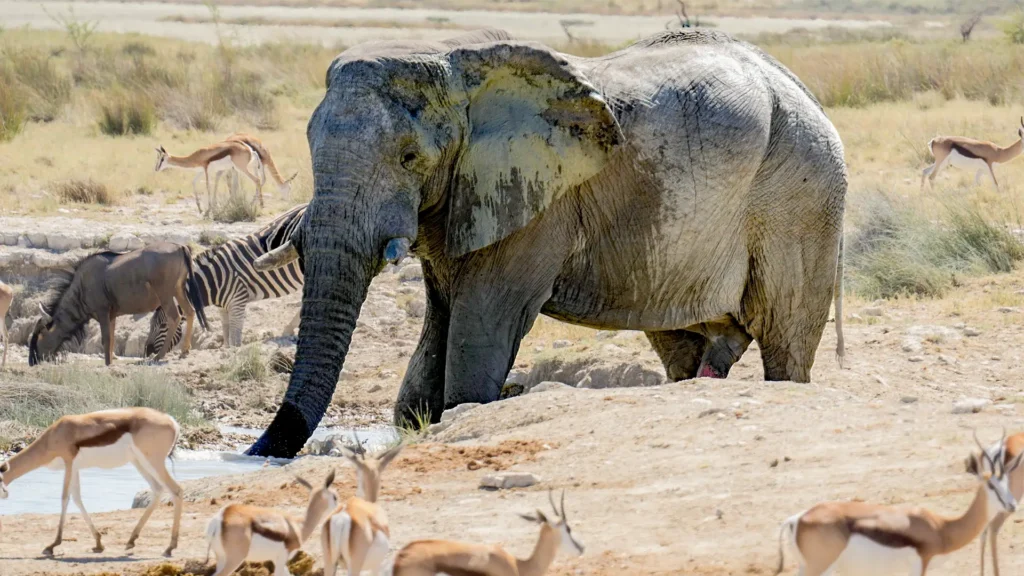
The openness of the landscape can make wildlife viewing particularly rewarding. Instead of dense vegetation obstructing visibility, travellers can often look across broad areas of relatively open terrain. Waterholes become important gathering points, especially during drier periods, and watching animals arrive and interact around these water sources can become one of the most memorable parts of an Etosha safari.
This creates a different rhythm from some of East Africa’s more densely vegetated wildlife areas. Rather than constantly driving through thick vegetation searching for movement, travellers can sometimes spend considerable time observing a waterhole and allowing the wildlife to come to them.
The experience rewards patience. An elephant may arrive first, followed by antelope and birds, while predators may appear later. What initially looks like a quiet landscape can gradually become an active centre of wildlife interaction.
Waterholes Reveal the Relationship Between Wildlife and Survival
Water is one of the most important elements in Namibia’s wildlife story. In a country where large areas experience limited rainfall, permanent or reliable water sources can influence where animals move, feed and rest.
This makes waterholes particularly interesting from a wildlife-viewing perspective. Instead of spending every moment searching for animals across enormous landscapes, travellers can sometimes observe the natural behaviour that develops when different species depend on the same source of water.
The result can be a more patient and observational form of safari. Elephants may approach cautiously, antelope may remain alert while drinking, birds may move around the edges and predators may wait nearby. These encounters demonstrate how different species interact within the same ecosystem.
For photographers, this can also provide excellent opportunities because animals often remain in one area longer than they might during a moving game drive. The experience becomes less about chasing a sighting and more about understanding what happens when wildlife gathers naturally.
The Skeleton Coast Creates Another Side of Namibia
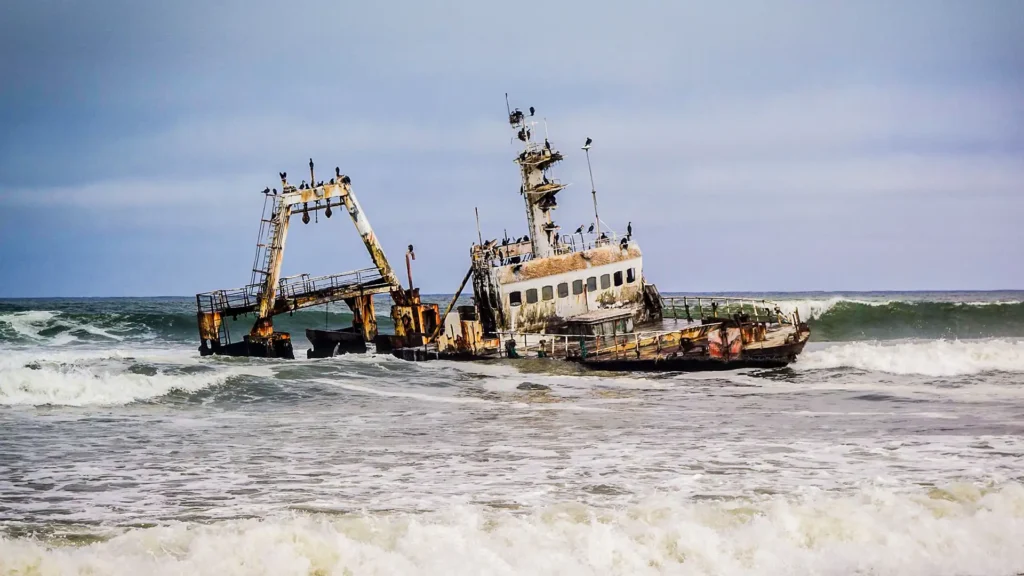
Namibia becomes even more remarkable when the desert reaches the Atlantic Ocean. The Skeleton Coast introduces a landscape of coastal fog, sand, shipwrecks, dunes and powerful ocean conditions that looks dramatically different from the country’s inland environments.
The Skeleton Coast stretches along Namibia’s northwestern coastline and is known for its fog, shipwrecks, dunes and wildlife. Namibia’s tourism authorities describe the national park as extending for roughly 500 kilometres along the coast and highlight its importance for both coastal and desert-adapted ecosystems.
The atmosphere can feel almost otherworldly. Thick fog can obscure the Atlantic, while sand and desert continue inland. The cold Benguela Current influences the coastline and contributes to the fog that has become one of the region’s defining characteristics.
The Skeleton Coast therefore offers a very different interpretation of an African coastal destination. It is not primarily about warm beaches, swimming and conventional seaside holidays. Its appeal comes from wilderness, isolation, dramatic scenery and the powerful contrast between ocean and desert.
For travellers interested in adventure and unusual landscapes, this contrast can be one of Namibia’s strongest attractions.
Where the Desert Meets the Atlantic
One of Namibia’s most fascinating geographical characteristics is the relationship between its desert and coastline. The Namib does not simply stop before reaching the ocean. Instead, the desert and Atlantic form a dramatic environment in which wind, fog, sand and water interact.
UNESCO notes that the Namib Sand Sea itself is influenced by materials transported through rivers, ocean currents and wind, demonstrating that the desert is connected to broader geological and oceanic processes.
For travellers, this creates an unusual visual experience. In a single journey, it is possible to encounter enormous dunes, dry plains and an Atlantic coastline affected by fog and cold ocean currents. Few African destinations combine these environments in such a distinctive way.
The contrast also explains why Namibia can appeal to travellers who are interested in landscapes as much as wildlife. A Namibia itinerary does not have to revolve around finding the next animal. The environment itself can become the attraction.
Namibia Is a Dream Destination for Landscape Photography
Wildlife photography is naturally important in Namibia, but the country offers much more than animal portraits. The landscapes provide opportunities for photographers interested in scale, texture, colour, light and contrast.
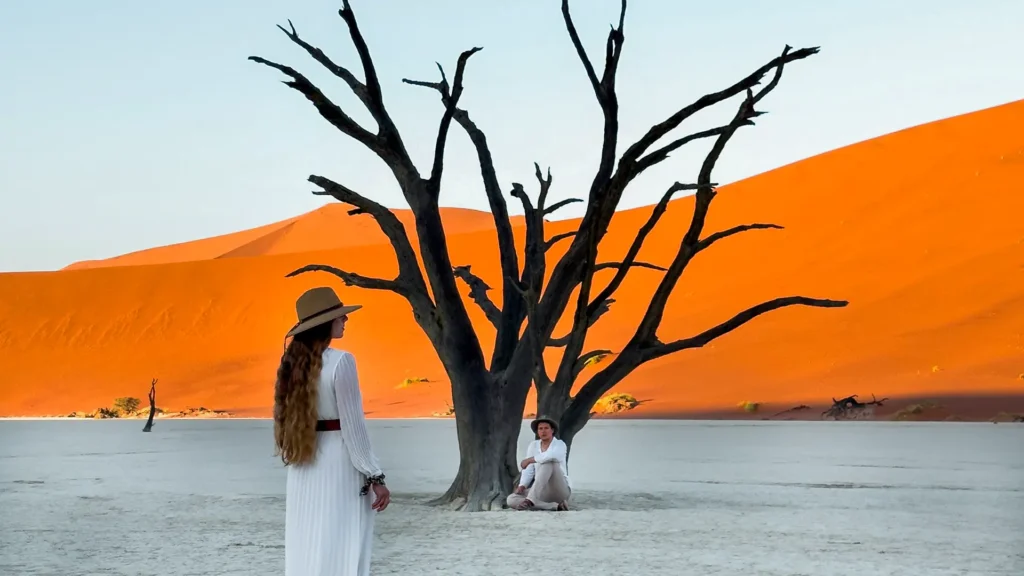
A lone oryx standing against a dune can create a completely different image from an elephant photographed beside a waterhole. A dead tree against the pale surface of a desert pan tells another story, while Atlantic fog moving across the Skeleton Coast can create an atmosphere that feels almost surreal.
Light is especially important in Namibia. Desert landscapes change considerably throughout the day as the sun alters shadows and reveals different textures in dunes and rocky surfaces. UNESCO highlights the exceptional visual qualities of the Namib Sand Sea during daylight as well as the quality of its night skies.
For photographers, this means Namibia rewards patience. The best image may not appear immediately after arriving at a viewpoint. Sometimes the landscape needs time, changing light and the right conditions before its strongest character becomes visible.
Namibia’s Night Skies Add Another Dimension
The vastness of Namibia becomes even more apparent after sunset. Away from major population centres, the country’s open landscapes can provide exceptional opportunities for observing the night sky.
For travellers accustomed to cities where artificial light dominates the horizon, seeing a clear sky filled with stars can become one of the defining memories of a Namibia journey. The experience changes the feeling of the landscape once again. A desert that appeared enormous during the day can feel almost infinite at night.
This also creates a natural rhythm for travel. The day may begin before sunrise for a desert excursion, continue with wildlife viewing or a long journey through the landscape, and then end beneath a sky filled with stars. The destination continues to offer an experience even after the day’s conventional sightseeing is finished.
Namibia Rewards Slow Travel
Namibia’s enormous distances make rushing through the country difficult, but there is also a deeper reason to travel slowly. The landscapes deserve time.
A fast itinerary may allow visitors to photograph famous locations, but a slower journey provides opportunities to experience how the landscape changes between destinations. Mountains gradually give way to desert. Vegetation becomes increasingly sparse. The colour of the ground changes. Eventually the Atlantic appears, sometimes hidden beneath coastal fog.
Wildlife experiences also benefit from patience. Sitting quietly beside a waterhole can reveal more about animal behaviour than constantly driving in search of another sighting. Spending longer in a desert region can allow travellers to experience sunrise, changing light and the atmosphere of the landscape rather than simply checking it off a list.
For a country defined by space, a good itinerary should respect that space. The journey between destinations should not be treated merely as lost time. In Namibia, the journey itself is often part of the destination.
Namibia Offers More Than a Traditional Safari
Although Namibia is an important wildlife destination, it should not be reduced to a safari-only experience. The country’s diversity allows travellers to build journeys around several different interests.
Wildlife enthusiasts can focus on Etosha and other wildlife areas. Adventure travellers can explore deserts, mountains and remote landscapes. Photographers can combine dunes, wildlife, coastlines and night skies. Travellers interested in nature can explore the unusual adaptations found within the Namib. Couples can combine dramatic landscapes with carefully selected lodges and experiences, while road-trip enthusiasts can make the long journeys between destinations part of the adventure.
This flexibility is one of Namibia’s strongest commercial advantages. It allows travel advisers to create itineraries based on what the traveller actually wants rather than placing everyone into the same standard safari package.
A traveller interested in photography may need a different itinerary from someone primarily interested in wildlife. Someone travelling for adventure may want more time in remote environments, while another traveller may prefer a slower combination of landscapes and comfortable accommodation.
The Human Story of Namibia Should Not Be Forgotten
The extraordinary landscapes of Namibia can sometimes make it easy for visitors to think of the country purely in terms of wilderness. Yet these environments also have deep human histories.
People have lived in and adapted to southern Africa’s dry environments for generations, developing knowledge of water sources, plants, animals, seasons and movement across difficult landscapes. These relationships remind travellers that deserts are not simply empty spaces waiting to be explored.
Responsible tourism should therefore include opportunities to understand local communities and cultures rather than presenting Namibia entirely through scenery and wildlife. The landscape has a human history as well as a geological one.
This adds depth to the journey. Visitors begin to see the desert not only as an extraordinary natural environment but also as a place where people have developed knowledge and traditions in response to challenging conditions.
Namibia Can Change the Way You Think About Africa
Many travellers arrive in Africa with a particular image in mind. They imagine open savannahs, large herds and predators moving through grasslands. Namibia expands that image.
Here, Africa can be a vast desert beneath an enormous sky. It can be a fog-covered coastline where the Atlantic meets sand. It can be a salt pan surrounded by wildlife. It can be a mountain rising from an arid landscape or an elephant moving through a dry riverbed.
That diversity is what makes Namibia so valuable within a broader African travel portfolio. It does not compete with destinations such as Uganda, Kenya or Tanzania by trying to provide exactly the same experience. It offers something different.
Travellers who want forests, primates and lush landscapes may find Uganda particularly compelling. Those drawn to classic savannah wildlife and major migration experiences may look towards Kenya or Tanzania. Travellers interested in dramatic deserts, extraordinary landscapes, open spaces and wildlife adapted to arid conditions may find Namibia much closer to what they are searching for.
The question is therefore not which destination is universally better. The more useful question is which African environment matches the traveller’s interests.
Combining Namibia With Other Southern African Destinations
Namibia can also form part of a larger southern African journey. Its location creates opportunities to combine the country’s deserts and wildlife with the very different environments found in neighbouring destinations.
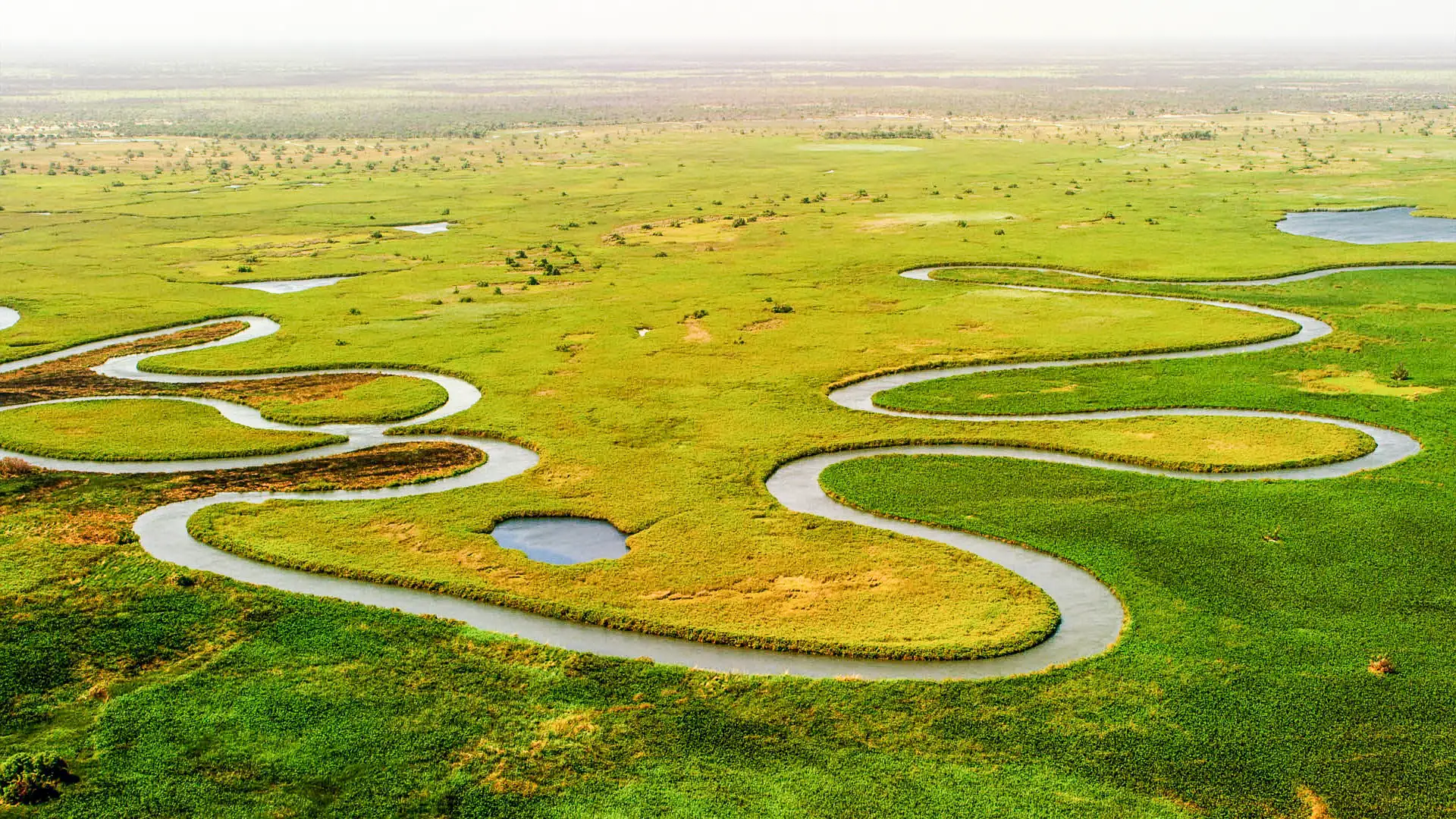
Botswana can introduce travellers to the waterways and floodplains of the Okavango Delta, while Zimbabwe can add the Zambezi and Victoria Falls. South Africa can provide a broader combination of wildlife, cities, mountains, coastline, culture and food.
These combinations can create journeys that move through remarkably different environments. A traveller could begin among Namibia’s deserts, continue into Botswana’s wetlands and then experience Zimbabwe’s great river landscapes. Instead of visiting countries as isolated destinations, the journey begins to reveal the ecological and geographical connections between them.
For travellers with more time available, this regional approach can create a much richer southern African experience.
When Is the Best Time to Visit Namibia?
There is no single travel period that is perfect for every Namibia itinerary because the country covers a large geographical area and offers different experiences. Wildlife viewing, desert exploration, photography and coastal travel can each respond differently to seasonal conditions.
For travellers focused heavily on wildlife, dry periods can make animals easier to observe around reliable water sources in areas such as Etosha. However, seasonal conditions vary between regions, and travellers should consider their particular route and activities rather than relying solely on a generic “best time to visit” recommendation.
This is particularly important for remote journeys. Weather, road conditions and local operating conditions can influence travel plans, so information should be checked close to departure and itineraries should retain enough flexibility to accommodate changing conditions.
For that reason, the most useful travel advice is usually based on what the traveller wants to experience rather than simply assigning one month as universally best.
How Long Should You Spend in Namibia?
The amount of time required depends heavily on how much of the country a traveller wants to experience. A shorter trip can concentrate on a few major destinations, while a longer itinerary allows travellers to combine desert landscapes, wildlife and the coast without spending the majority of their holiday travelling between locations.
Namibia’s distances should be taken seriously when planning. Attempting to cover too much ground in a short period can result in travellers spending more time inside vehicles than experiencing the destinations themselves.
A stronger itinerary usually gives important regions enough time. Instead of constantly changing accommodation, travellers may benefit from staying several nights in selected areas and using those locations as bases for exploration.
In a country where space is one of the defining characteristics, the itinerary should be designed around that space rather than trying to eliminate it.
Experience Namibia With Explore Africa Adventures
For travellers looking beyond the traditional African safari, Namibia offers an opportunity to experience a different side of the continent. From the dunes of the Namib to the wildlife of Etosha and the dramatic Atlantic coastline, the country provides the kind of diversity that can support a highly personalised African adventure.
Explore Africa Adventures can help travellers connect Namibia with other destinations across the continent according to their interests, available time and preferred style of travel.
If the idea of watching sunrise over enormous desert dunes, observing wildlife around Etosha’s waterholes, travelling through remote landscapes or experiencing the atmospheric Skeleton Coast appeals to you, Namibia may be the African journey you have been looking for.