A journey through Africa can begin with a familiar attractiona wildlife safari, a mountain trek, a historic city or a stretch of coastline but some of its most memorable moments happen when travellers take time to understand the people and traditions that give a place its character.
It might be watching an artisan transform natural materials into a traditional craft, learning the story behind a garment worn during important celebrations, listening to musicians explain how a particular rhythm is passed between generations, or sharing a conversation with a local host about everyday life. These encounters reveal details that are easy to miss when travel focuses only on landmarks and photographs.
This is the deeper promise of cultural tourism in Africa. Rather than treating culture as something confined to a museum or a scheduled performance, it invites travellers to understand how knowledge, artistic skills, beliefs and social traditions continue to shape contemporary life. Africa’s cultural heritage is extraordinarily diverse, and its traditions are not frozen in the past. They continue to develop as families, artisans, musicians, performers and communities pass on knowledge while responding to changing circumstances.
UNESCO’s records illustrate this living quality. Uganda’s barkcloth-making tradition remains associated with Baganda cultural practices and skilled craftsmanship. Rwanda’s Intore dance continues to be performed at community events and celebrations. Morocco’s Gnawa music combines musical performance with spiritual and historical dimensions, while the country’s caftan-making tradition draws on the expertise of weavers, tailors and embroidery artisans. These are not simply attractions to observe; they are practices sustained by the people who know, perform and transmit them.
For travellers, the challenge is choosing experiences that provide genuine opportunities to learn while respecting the people whose heritage makes the journey meaningful. The most rewarding cultural trips begin with curiosity, allow enough time for conversation and recognise that communities should have a say in how their traditions are shared.
What Is Cultural Tourism, and Why Does It Matter in Africa?
Cultural tourism involves travelling to understand a destination’s history, artistic traditions, architecture, crafts, foodways, music, beliefs and everyday social life. It can include visiting a historic town, learning from a craftsperson, attending a public festival, exploring a heritage site with a local guide or participating in an experience organised by a community.
In Africa, these experiences can add important context to a journey otherwise centred on scenery and wildlife. A visitor might explore a national park during the day, then learn about the neighbouring communities whose livelihoods and histories are connected to the surrounding landscape. In a city, a guided walk through historic streets can reveal how trade, migration, architecture and religion have influenced the place. At an artisan’s workshop, a traditional object becomes more than a souvenir when its materials, production techniques and cultural significance are explained.
Cultural tourism can also create opportunities for local businesses, guides, performers and artisans. The benefits, however, depend on how the experience is organised. A tour advertised as community-based does not automatically guarantee that local people control the activity or receive a fair share of the revenue. Travellers should look for clear information about who hosts the experience, who provides the services and how payments are distributed.
The most useful starting point is to think of culture as something people actively maintain, interpret and share not a product that exists solely for tourists. This perspective makes the journey richer and encourages a more respectful relationship between visitors and the places they explore.
Uganda: Discover the Craftsmanship Behind Traditional Barkcloth
Uganda offers cultural experiences that extend well beyond its famous national parks and mountain gorillas. Its history includes royal traditions, music, dance, oral storytelling, architecture and craftsmanship, with different communities maintaining distinctive forms of cultural expression.
One particularly compelling example is barkcloth making, a traditional craft associated with the Baganda people of the Buganda Kingdom in southern Uganda. UNESCO inscribed the practice on its Representative List of the Intangible Cultural Heritage of Humanity in 2008. The craft involves harvesting the inner bark of the mutuba tree, Ficus natalensis, and carefully beating it with wooden mallets until it becomes a soft, fabric-like material.
More Than a Traditional Material
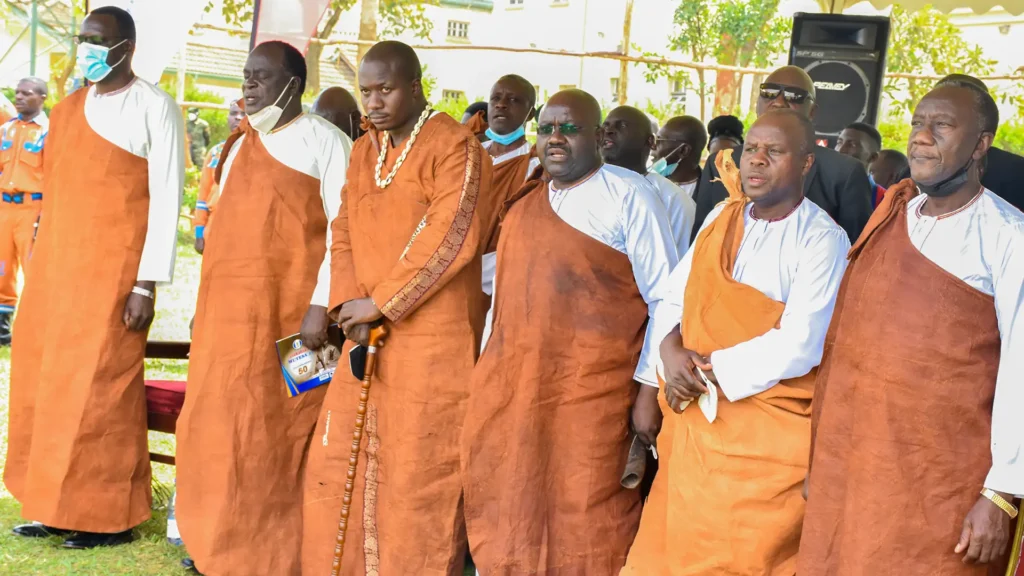
Barkcloth has historically served ceremonial and practical purposes. UNESCO documents its use at coronations, healing ceremonies, funerals and cultural gatherings, as well as for items used in everyday life. Its significance therefore goes beyond the skill involved in producing the material; it is also connected to social identity, community history and cultural practice.
For a traveller, learning about barkcloth provides an opportunity to appreciate the relationship between natural resources and traditional knowledge. The finished material may appear simple, but its production requires an understanding of the tree, the timing of harvesting, the preparation of the bark and the techniques needed to achieve the desired texture.
A meaningful visit would allow a knowledgeable craftsperson to explain the process and answer questions about how the practice has changed over time. Where demonstrations or workshops are available, visitors can learn about the work involved without assuming that every stage of the process is suitable for hands-on participation.
UNESCO has also documented safeguarding efforts aimed at training younger craftspeople, encouraging sustainable use of mutuba trees and strengthening recognition of barkcloth’s cultural value. These efforts show why supporting skilled artisans matters: purchasing a well-made item from a reputable maker or paying for a genuine learning experience can help sustain a practice that requires considerable knowledge and labour.
How to Include Cultural Experiences in a Uganda Trip
Travellers can consider adding cultural activities to an itinerary that already includes Kampala, historic sites, community visits or wildlife destinations. Rather than treating culture as a brief stop between game drives, allow time to learn about the people and traditions associated with the places you visit.
The exact activities available will depend on the host, location and arrangements made in advance. Ask whether a visit includes an explanation from a practising artisan, whether photography is permitted and whether purchases go directly to the maker or through an intermediary.
Rwanda: Understand the Story and Movement of Intore Dance
Rwanda is often associated internationally with mountain gorilla trekking, volcanic landscapes and conservation. Yet the country’s cultural life offers another dimension to a visit, including music, dance, storytelling, craftsmanship and traditions connected to community celebrations.
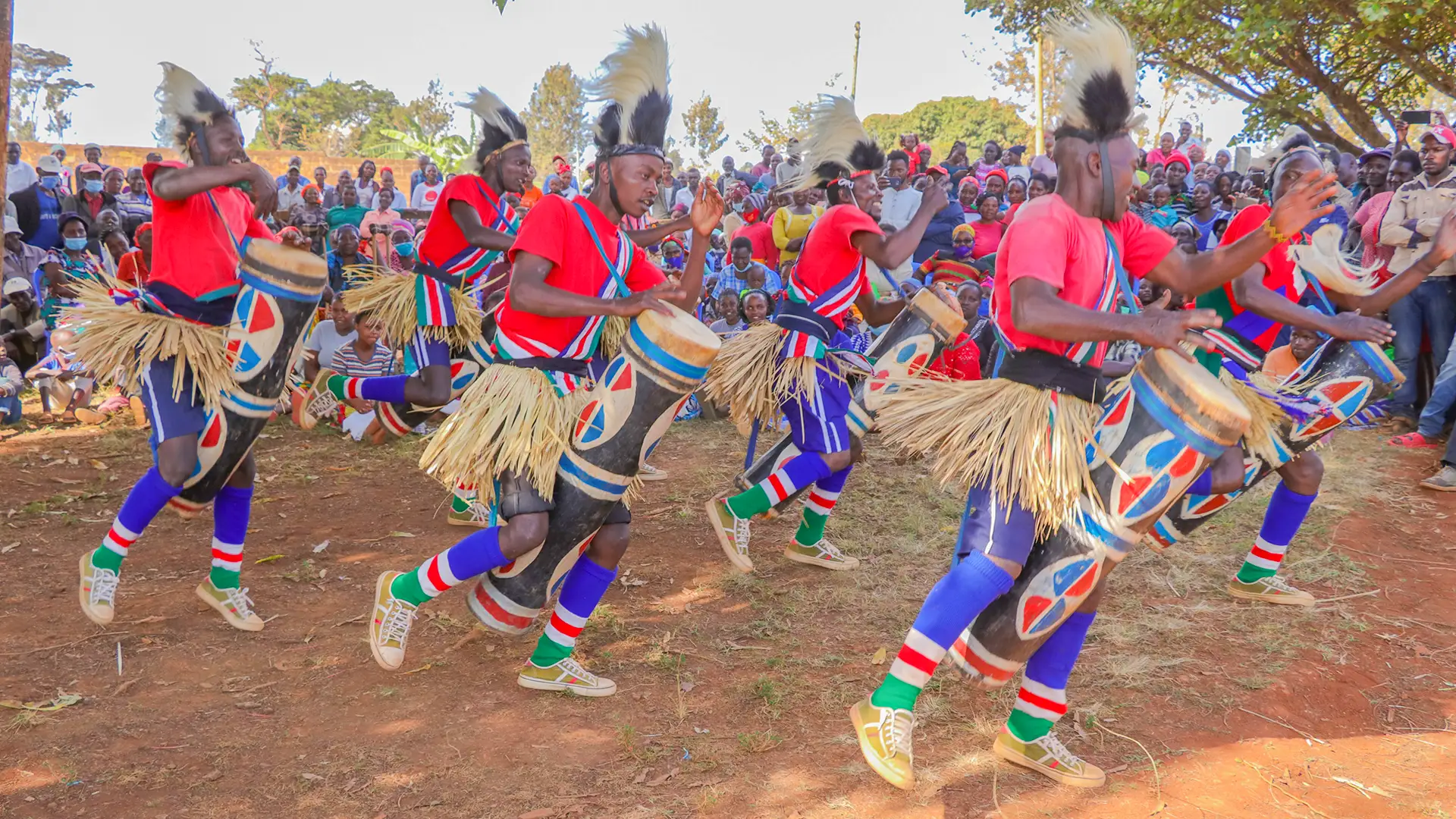
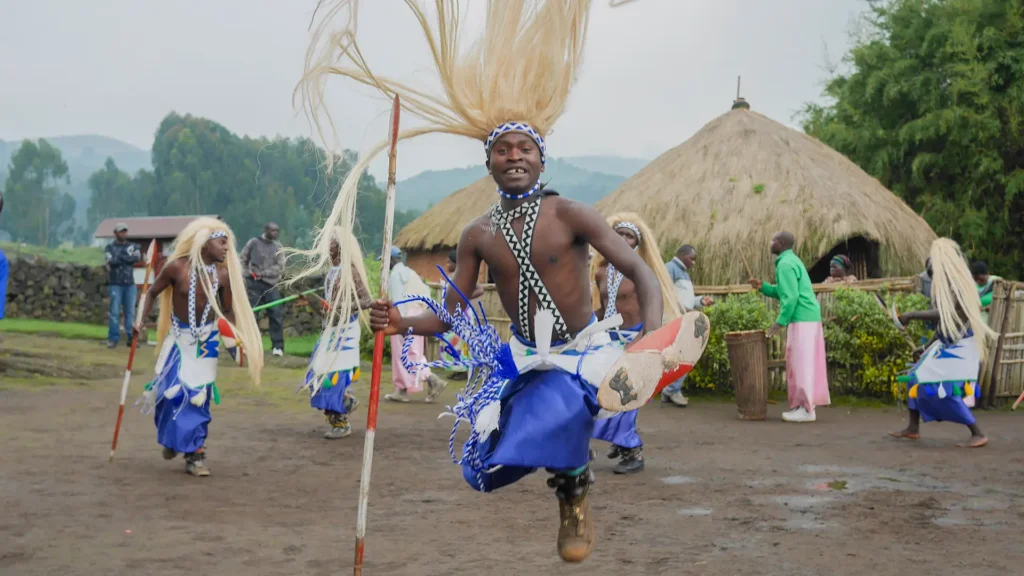
One example is Intore, a Rwandan dance performed by a troupe. UNESCO inscribed Intore on its Representative List of the Intangible Cultural Heritage of Humanity in 2024. The dance features coordinated movements, leaps and the use of spears and shields, accompanied by traditional drums, horns, songs and poems. Its movements evoke the ranks and actions of warriors, while its wider cultural role connects it with celebrations and community events.
Why the Context Matters as Much as the Performance
A dance performance can be visually impressive even when a visitor knows little about its history. Cultural tourism becomes more rewarding when travellers have the opportunity to understand what the movements represent, how performers learn their skills and why the tradition remains meaningful today.
UNESCO notes that Intore is transmitted through training sessions, schools, families and community organisations. It is performed at events including weddings, harvest celebrations and receptions for distinguished guests. The tradition therefore belongs to a broader cultural environment rather than existing only on a stage.
When planning a cultural experience in Rwanda, look for opportunities to hear an explanation from knowledgeable performers or guides. Ask about the role of the dance in contemporary society and how younger generations learn it. If you attend a performance, find out whether it is part of a public cultural programme, a community celebration or a show arranged specifically for visitors.
That distinction does not make a performance for visitors inherently less authentic. Performers can share their skills professionally, and tourism can create income for cultural practitioners. What matters is whether the experience is presented honestly and whether visitors are given enough context to appreciate what they are seeing.
Combining Culture with Rwanda’s Natural Attractions
Rwanda lends itself to itineraries that combine cultural exploration with outdoor experiences. Travellers might spend time in Kigali, visit cultural institutions or attend a performance, then continue to the countryside for landscapes, wildlife or mountain experiences.
A cultural activity should be planned around actual availability rather than assumed to take place every day. Ask the tour organiser or venue about schedules, performance duration, language and whether advance reservations are necessary.
Morocco: Explore Living Heritage Through Music, Clothing and Craft
Morocco is an especially rewarding destination for travellers interested in the connections between artistic skill, social life and cultural identity. Its medinas, workshops, markets, historic buildings and festivals provide opportunities to discover traditions that continue to evolve rather than simply survive as historical reminders.
The country’s cultural heritage is also diverse. Music, clothing, metal engraving, food traditions and other forms of craftsmanship reflect different histories and regional influences. UNESCO’s records illustrate this variety: Gnawa was inscribed in 2019, henna-related rituals and social practices were included on the multinational Representative List in 2024, and Moroccan caftan craftsmanship was inscribed in 2025.
Gnawa Music: Listening Beyond the Rhythm
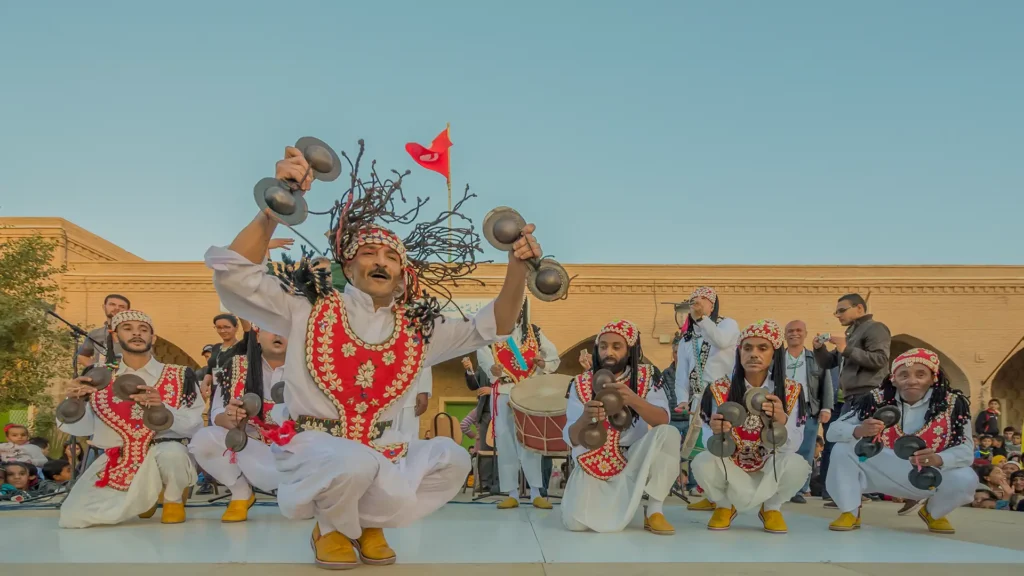
Gnawa music is one of Morocco’s most distinctive living traditions. UNESCO describes Gnawa as a collection of musical events, performances, social practices and rituals that bring together spiritual and secular elements. Its history includes the experiences of groups affected by slavery and the slave trade, and the tradition now forms part of Morocco’s wider cultural identity.
For travellers, listening to Gnawa music can be an introduction to the country’s complex cultural history. The sound of the instruments and the energy of a performance are important, but so is understanding the context in which the music developed and the people who continue to practise it.
The coastal city of Essaouira is particularly associated with Gnawa music and hosts a festival celebrating its musical traditions. Morocco’s official tourism office identifies the festival as one of the city’s cultural attractions, making Essaouira a useful destination for visitors interested in combining music, architecture and coastal exploration. Festival dates and programmes should be checked for the intended travel year.
Moroccan Caftan Craftsmanship: The Work Behind the Garment
Morocco’s caftan tradition offers a different perspective on living heritage. UNESCO’s 2025 inscription describes the caftan as a garment worn by people of different genders and ages on special occasions and celebrations. Its production draws on the skills of several kinds of artisans, including weavers, tailors and craftspeople who create buttons, braids and embroidery. These skills are passed down through families, workshops, apprenticeships and formal education.
For visitors, the most meaningful way to explore this tradition may be through a workshop visit, an explanation from a craftsperson or a conversation about the techniques and materials used in a finished garment. Even when a workshop does not offer formal demonstrations, asking informed questions can help reveal the labour and expertise behind what might otherwise be seen as a decorative object.
A purchase can also be part of the experience, but it is worth asking who made the item, how it was produced and whether it is handmade or factory-produced. Not every object sold in a traditional market is made locally, and not every seller is the artisan responsible for its creation.
Making Time for Morocco’s Cultural Cities
Morocco’s cultural experiences work best when travellers allow time to explore rather than moving hurriedly between famous landmarks. Essaouira offers a combination of historic streets, a fishing port, coastal scenery and music, while other cities provide their own architectural and craft traditions.
The best itinerary depends on the interests of the traveller. Someone interested in textiles may prefer time in workshops and markets, while a music enthusiast might plan around a festival or seek out a performance with an informative introduction.
Kenya: Choose Community-Hosted Experiences That Go Beyond the Photograph
Kenya is internationally recognised for its wildlife and safari landscapes, but its cultural experiences can add an important human dimension to a visit. Community-hosted activities may provide opportunities to learn about local livelihoods, artistic traditions, family life and the relationship between communities and the landscapes around them.
The key is to approach such experiences with curiosity rather than assumptions. Kenya is home to many communities, each with its own histories and traditions. No single village visit, dance or craft can represent the country’s entire cultural diversity.
What Makes a Community-Hosted Experience Meaningful?
A well-organised community experience creates space for hosts to explain what they want visitors to understand. This might involve learning about a local craft, hearing about traditional and contemporary livelihoods, discussing the relationship between a community and its environment, or taking part in an activity that hosts have chosen to share.
Kenya’s official tourism platform, Magical Kenya, promotes cultural experiences that include visits with Maasai hosts. One listed experience, Mahali Mzuri, states that 50% of its tour costs go directly to a host family in the local community. This is a specific example rather than a figure that should be assumed for every cultural tour, but it demonstrates the value of asking providers how their arrangements work.
Before booking a community visit, ask who organises it, who leads the activity and how the money is distributed. Find out whether the host community has helped shape the experience and whether the visit is designed around the interests of residents as well as visitors.
These questions do not need to turn the encounter into an interrogation. They simply help travellers distinguish between an activity with clear local participation and one that uses cultural imagery primarily as a marketing tool.