Explore
Uganda
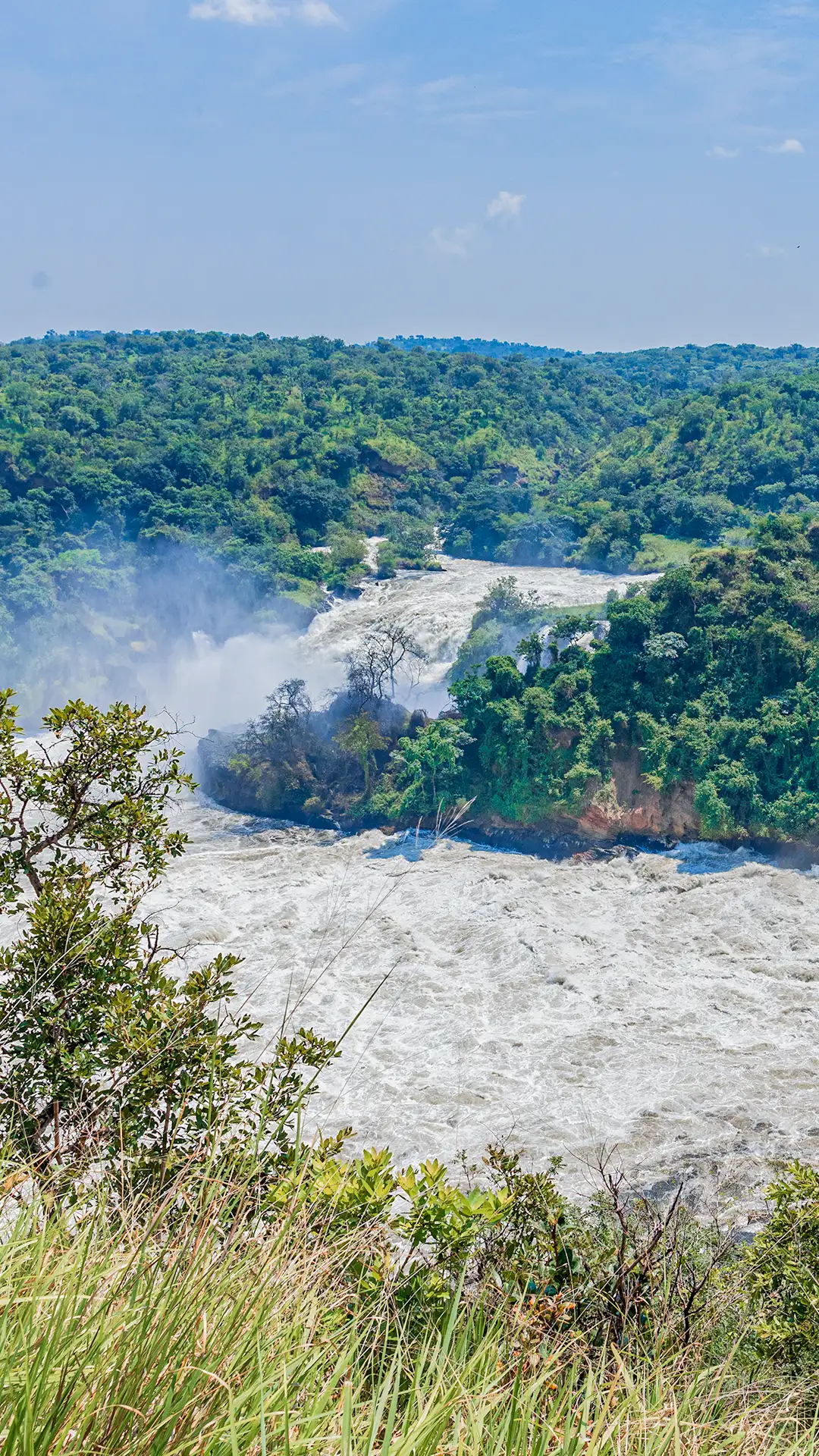
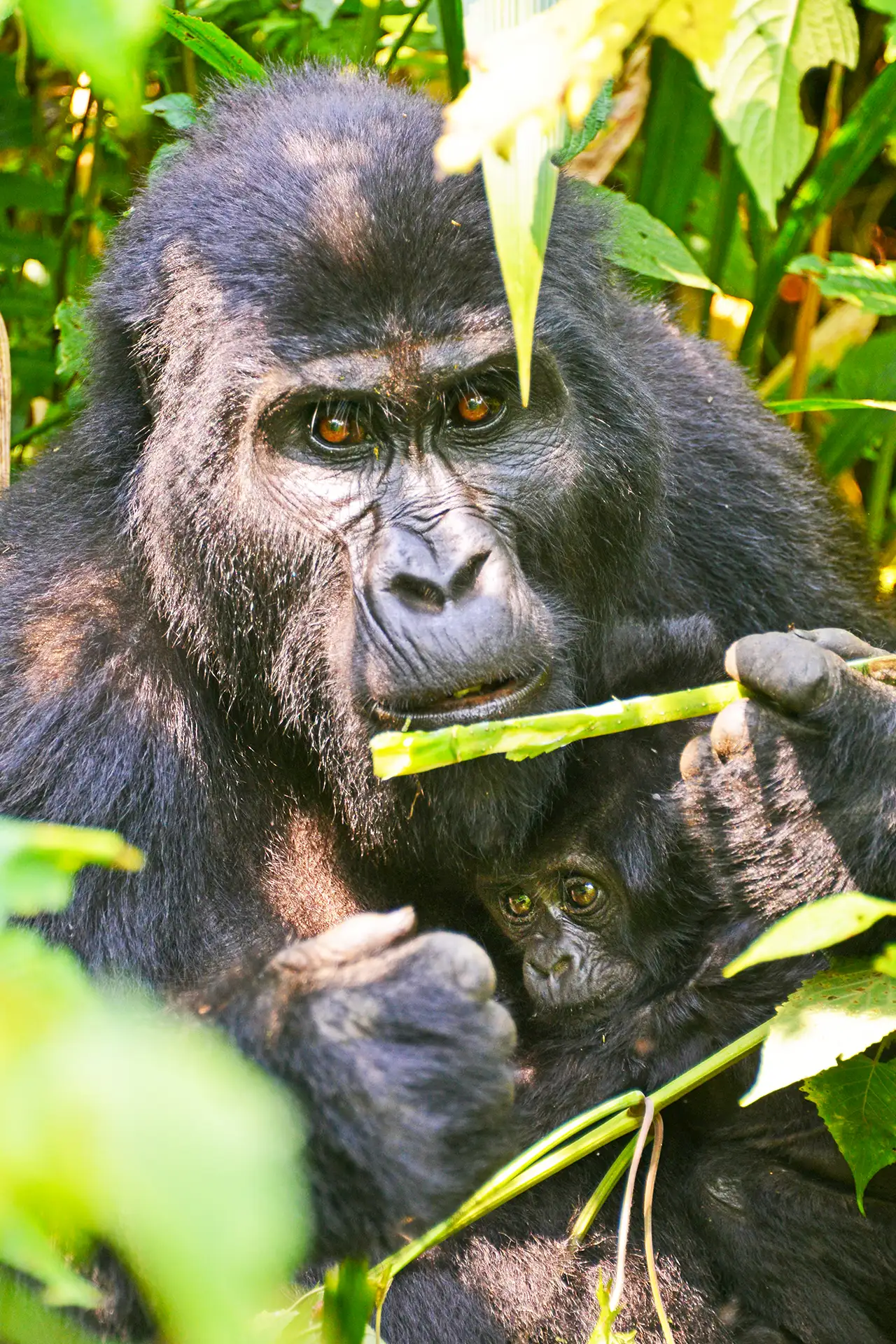
Uganda, known as the “Pearl of Africa,” is a landlocked country in East Africa bordered by Kenya, South Sudan, the Democratic Republic of the Congo, Rwanda, and Tanzania. Its diverse geography features the towering Rwenzori Mountains, the vast waters of Lake Victoria (Africa’s largest lake and a Nile River source), and lush forests like Bwindi Impenetrable National Park, home to nearly half of the world’s remaining mountain gorillas. Uganda’s tropical climate, moderated by altitude, supports an amazing variety of ecosystems from savannahs to rainforests, making it a haven for wildlife enthusiasts. The country boasts more than 1,000 bird species including the rare shoebill stork and iconic animals such as elephants, lions, chimpanzees, and hippos, found in celebrated national parks like Queen Elizabeth, Murchison Falls, and Kibale Forest.
The people of Uganda are strikingly diverse, representing over 50 distinct ethnic groups and a tapestry of languages, traditions, and cultural expressions. English and Swahili are official languages, while Luganda and numerous indigenous tongues are widely spoken. Uganda is renowned for its vibrant music, dance, colorful festivals, and warm hospitality. The economy is primarily based on agriculture, with key exports including coffee, tea, and fish. Recent years have seen steady progress in infrastructure, education, and healthcare, though the country continues to face challenges such as poverty and regional security. Uganda’s strategic location, natural wonders, and dynamic society make it a standout nation in East Africa and an increasingly vital destination for travelers, researchers, and investors alike.
Geography
Uganda, nestled in the heart of East Africa, is a landlocked country bordered by Kenya, South Sudan, the Democratic Republic of the Congo, Rwanda, and Tanzania. Known as the “Pearl of Africa,” Uganda’s landscape is a lush tapestry of rolling hills, fertile valleys, vast savannahs, and dense tropical rainforests. The country is dominated by Lake Victoria, Africa’s largest lake and the source of the White Nile, which supports thriving fishing communities and irrigates the surrounding farmland. The west is characterized by the snow-capped Rwenzori Mountains often called the “Mountains of the Moon” and the Albertine Rift, which is home to a series of crater lakes and the biodiverse Bwindi Impenetrable and Mgahinga Gorilla National Parks.
Uganda’s central region features the extensive Lake Kyoga and broad, grassy plains, while the north transitions into semi-arid savannah and woodland. The River Nile, which begins its long journey to the Mediterranean from Jinja, is not only a vital waterway but also a hub for adventure tourism and hydroelectric power. Swamps, wetlands, and papyrus-fringed lakes are scattered throughout the country, providing crucial habitats for birds and wildlife. This remarkable geographic diversity supports a wealth of ecosystems within a compact area, making Uganda a hotspot for biodiversity and eco-tourism.
Climate
Uganda’s climate is predominantly tropical, but its high altitude moderates temperatures and creates pleasantly temperate conditions in most regions. The country experiences two rainy seasons March to May and September to November while December to February and June to August are generally drier, making them the best times for wildlife viewing, trekking, and other outdoor activities. Average daytime temperatures in the lowlands range from 25°C to 30°C (77°F to 86°F), while the highland areas are cooler, especially at night.
Rainfall patterns vary by region, with the southwestern and western highlands receiving the most precipitation, supporting lush forests and fertile farmland. The north and northeast are drier and more prone to drought, while the central and eastern regions benefit from moderate, reliable rainfall. Thanks to its equatorial position and diverse topography, Uganda rarely experiences extreme weather, and its climate is ideal for agriculture, which remains the backbone of the country’s economy.
History of Uganda
Uganda’s history is rich and complex, shaped by a mosaic of kingdoms, migrations, and external influences. The region has been inhabited for thousands of years, with Bantu, Nilotic, and Central Sudanic peoples establishing powerful kingdoms such as Buganda, Bunyoro, Toro, and Ankole. These kingdoms developed sophisticated systems of governance, trade, and culture long before the arrival of European explorers and Arab traders in the 19th century. The late 1800s brought British colonial rule, which dramatically changed the political, economic, and social landscape, often by favoring some kingdoms over others and introducing cash crops and missionary education.
Uganda gained independence in 1962, but the post-independence period was marked by political turbulence, including the brutal regimes of Milton Obote and Idi Amin. Since the late 1980s, Uganda has enjoyed greater stability and economic growth under President Yoweri Museveni, though challenges such as poverty, public health, and political freedoms remain. Today, Uganda is celebrated for its vibrant cultural heritage, remarkable hospitality, and resilience, with historical sites, museums, and living traditions offering visitors deep insights into the nation’s past and present.
Major Routes to and within Uganda
Getting to Uganda is convenient for international travelers, with Entebbe International Airport located near the shores of Lake Victoria serving as the country’s main gateway. Direct flights connect Uganda to major hubs in Africa, Europe, and the Middle East. The capital city, Kampala, is well connected to regional cities and serves as a central starting point for exploring the country.
Within Uganda, a network of paved highways, regional roads, and newer expressways links major towns, national parks, and tourist attractions. Reliable bus and coach services operate between Kampala and key cities such as Jinja, Mbarara, Gulu, and Fort Portal. Domestic airlines offer flights to remote destinations like Kidepo Valley and Bwindi, making it easier for travelers to reach even the most secluded wildlife reserves.