HOME OF THE GREAT MIGRATION
Maasai Mara National Reserve
Endless savannah, big cats and the world’s greatest wildlife spectacle

Why Visit
Maasai Mara National Reserve covers approximately 1,510 km² of open savannah, acacia-dotted plains and riverine woodland in southwestern Kenya (Narok County), right on the border with Tanzania’s Serengeti National Park. First protected as a wildlife sanctuary in 1948 and established as a game/national reserve in 1961 (with boundary adjustments finalising its current size by the mid-1980s), it forms the northern section of the vast Serengeti–Mara ecosystem.
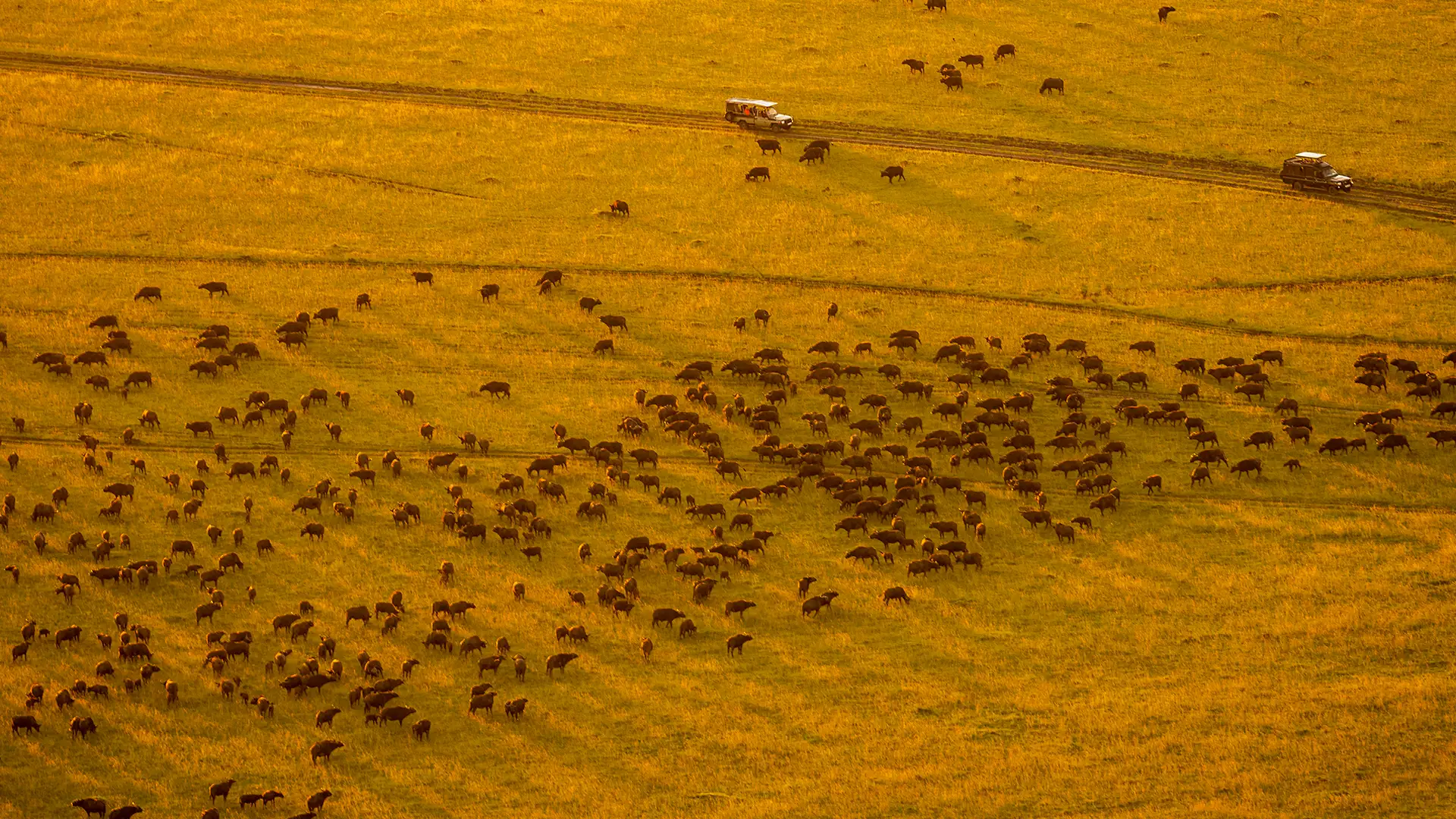
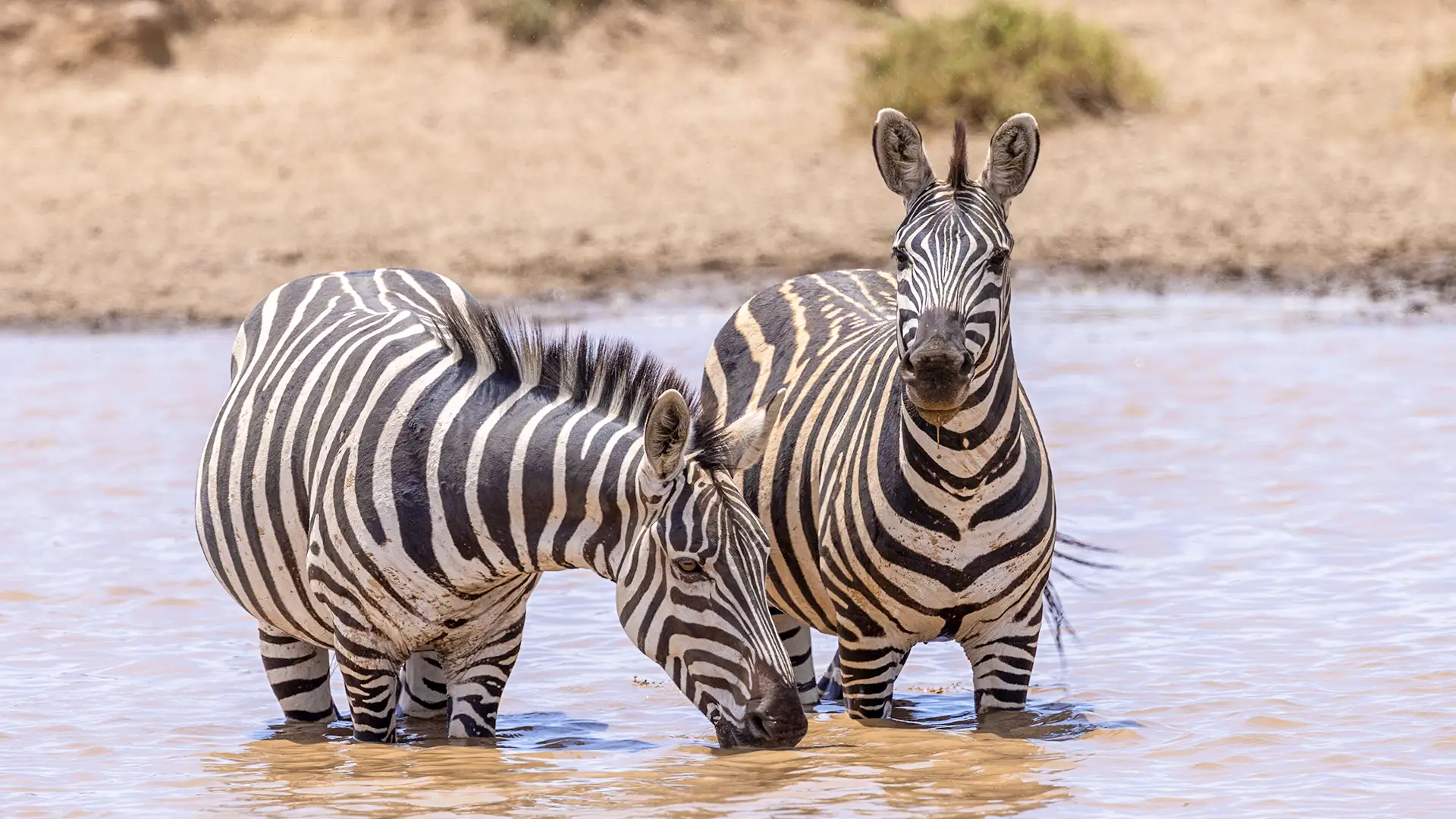
The reserve is world-famous for the annual Great Migration, when more than a million wildebeest, hundreds of thousands of zebra and gazelle cross into the Mara (typically July–October), culminating in dramatic river crossings of the Mara River. Year-round it supports exceptional densities of big cats, the Big Five, and a rich supporting cast of plains game and birds, all set against the classic “spotted” landscape that gives the Mara its name.
The Great Migration
One of the planet’s greatest natural spectacles vast herds of wildebeest and zebra pouring across the plains and risking crocodile-filled river crossings.
Exceptional Big-Cat Sightings
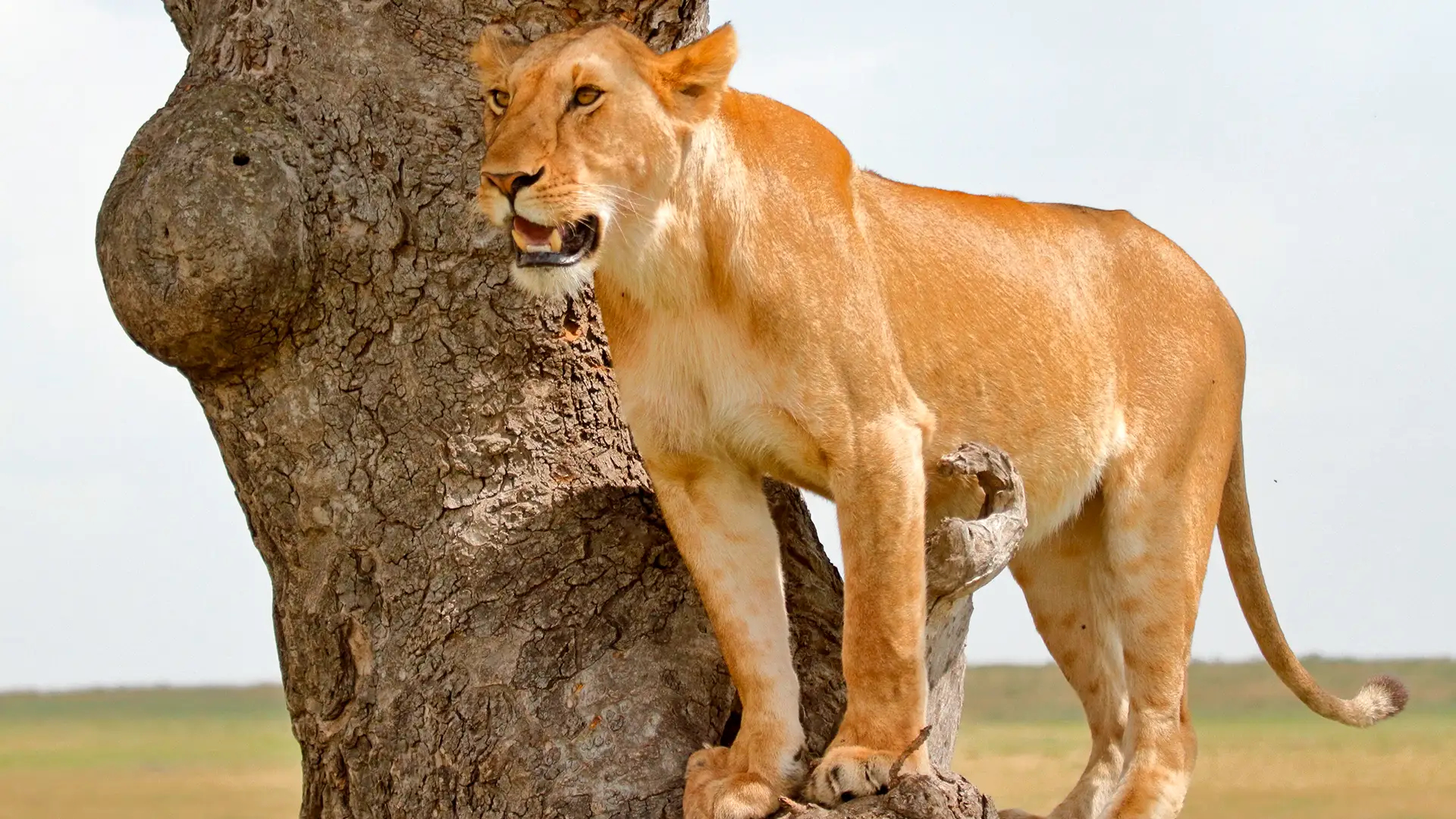
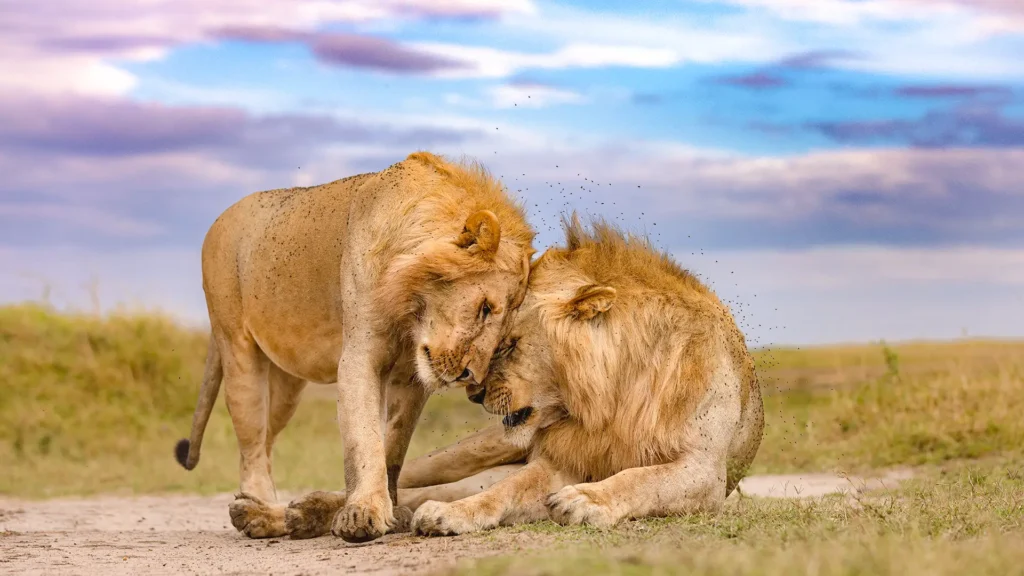
High densities of lion, cheetah and leopard, making the Mara one of Africa’s premier destinations for predator viewing.
Year-Round Game Viewing
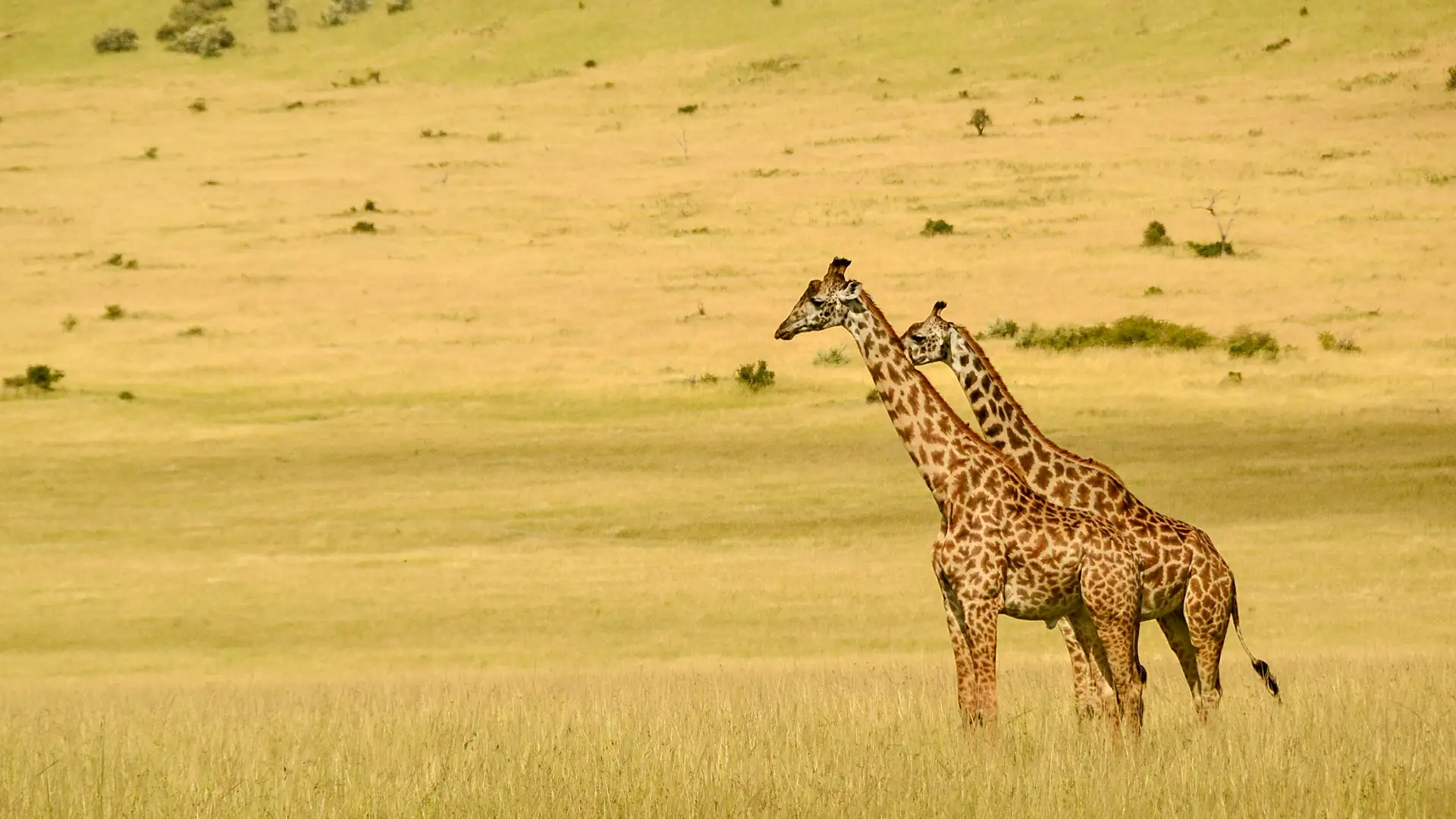
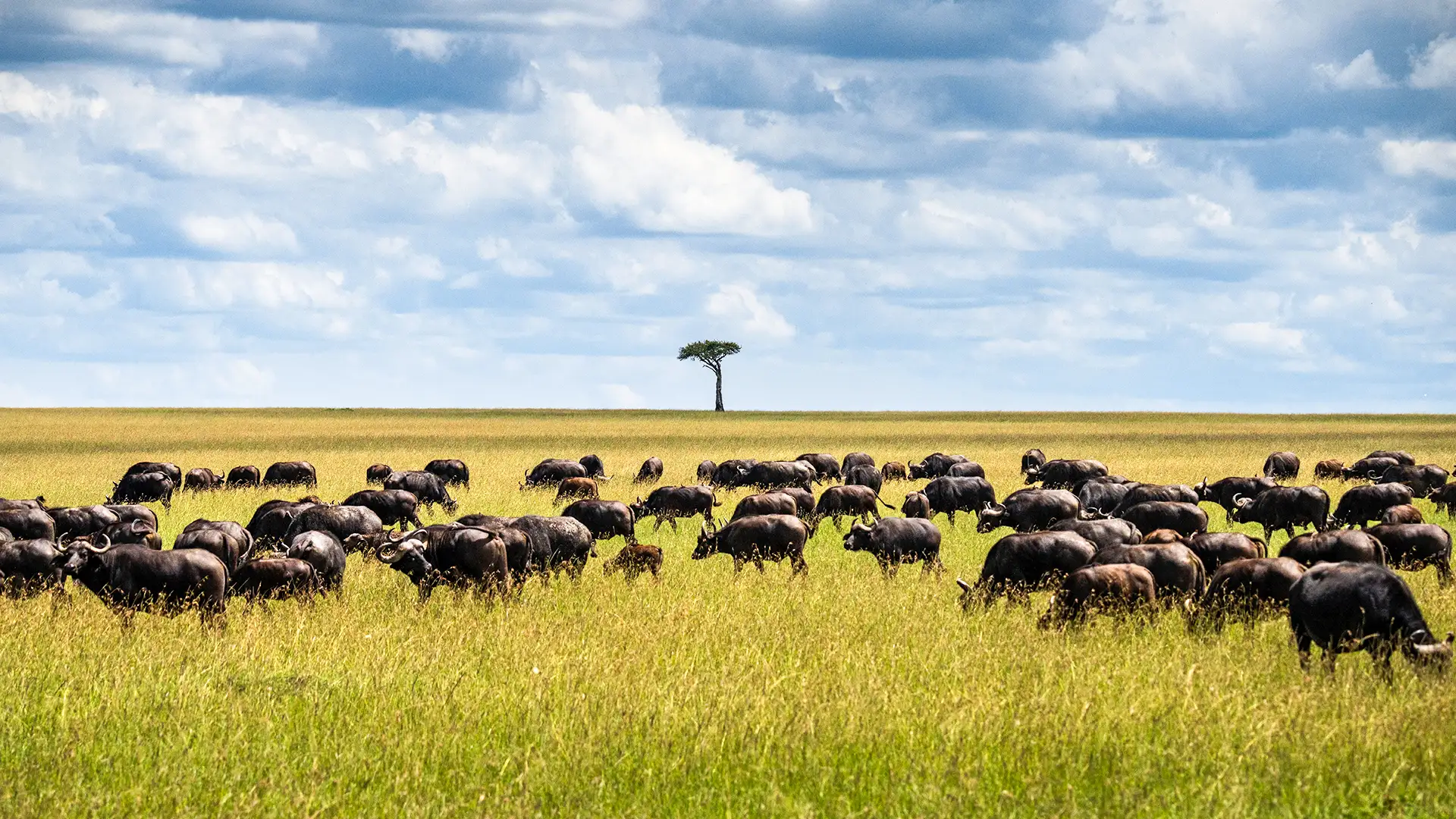
Resident populations of elephant, buffalo, giraffe, zebra, topi, hyena and more ensure outstanding wildlife experiences outside migration season.
Living Maasai Culture
Authentic encounters with the Maasai people, whose pastoralist traditions and community conservancies play a central role in the wider ecosystem.
Top Things To Do
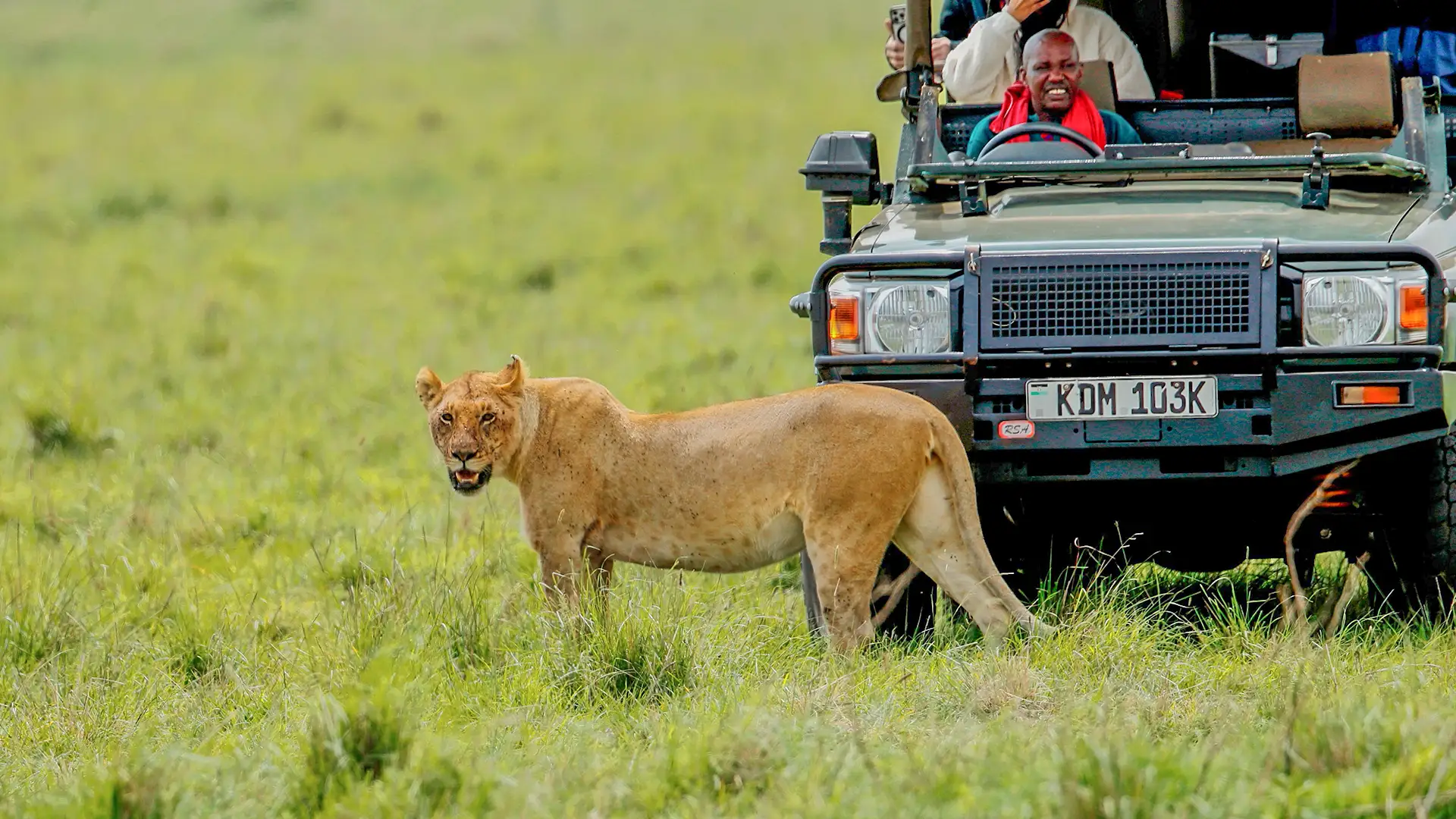
Game Drives
Witness the Great Migration
Hot-Air Balloon Safaris
Cultural Visits with the Maasai
Iconic Wildlife