The ideal travel period depends on what you are prioritising: easier forest trails, lower permit costs, lush scenery, better road conditions, fewer travellers, chimpanzee tracking, classic game drives or a more flexible budget.
That is especially important in 2026 and 2027 because Uganda’s gorilla permit structure has changed. The Uganda Wildlife Authority has introduced discounted low-season gorilla permits for April, May and November, while its revised standard tariff lists different visitor categories and new future rates for selected activities. At the same time, Uganda’s current climate outlook warns that the September–December 2026 rainy season is expected to be wetter than normal in many areas, with rainfall peaking around October and November.
June to September and December to February are generally the easiest months for dry-weather travel, while April, May and November may offer stronger value for travellers who accept wetter conditions and plan carefully.
The difference is not simply about weather. It affects trekking comfort, road travel, photography, accommodation demand and the total cost of your itinerary.
The Short Answer: Best Months to Visit Uganda
For most first-time visitors, Uganda’s most convenient travel periods are:
- June to September: generally drier conditions and strong wildlife-safari appeal
- December to February: another commonly preferred drier period
- April, May and November: lower-season opportunities, including discounted gorilla permits for qualifying categories, but wetter and less predictable conditions
- March and October: transitional months that can still work well, although conditions vary by region and year
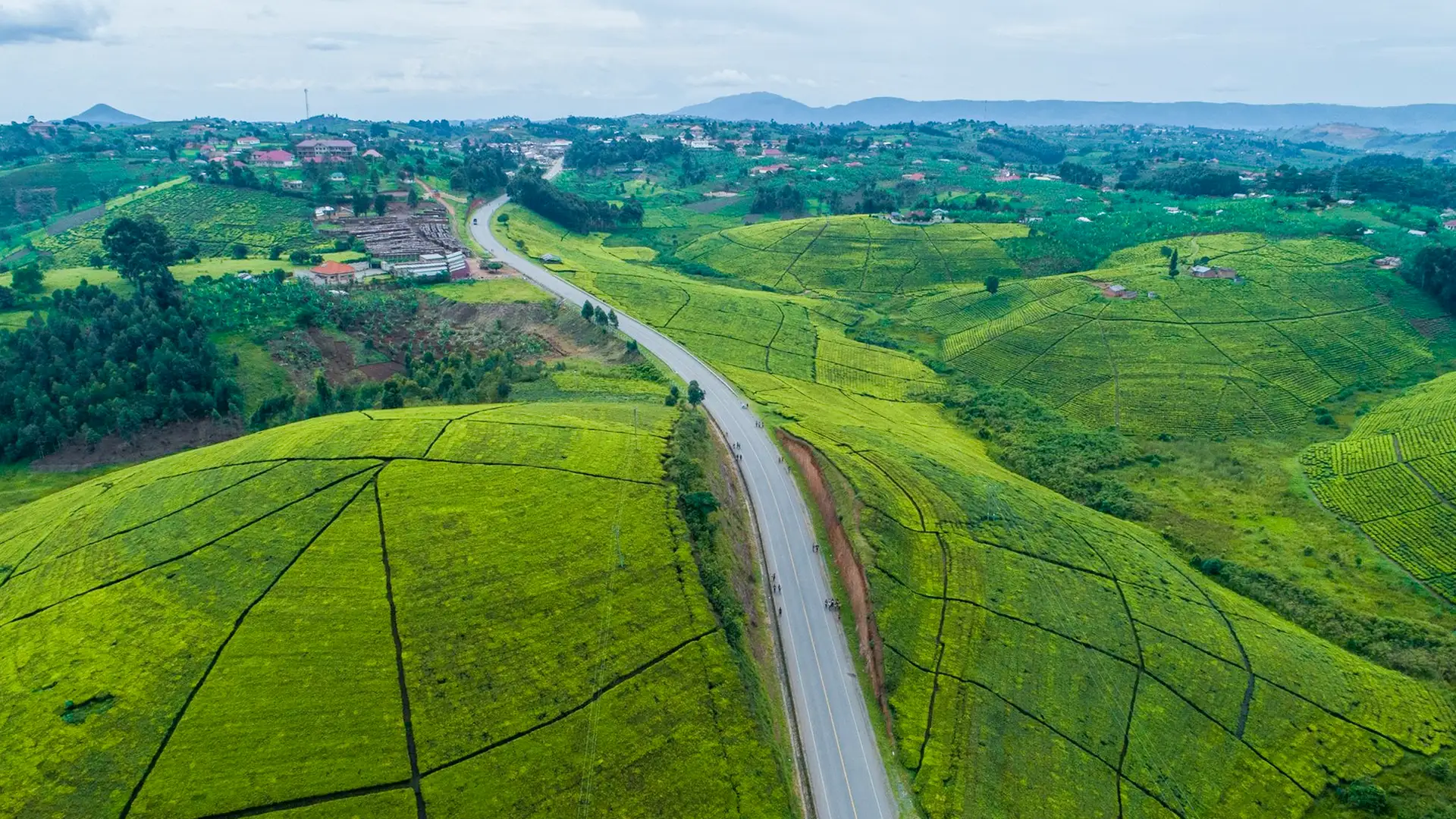
Uganda’s rainfall patterns are not identical across the country. The forests, mountains, savannah parks and northern regions can experience different conditions during the same month. Tourism Uganda notes that rainfall can occur at any time, especially in forest and mountain areas, and that even the official rainy seasons do not make Uganda inaccessible.
This is why a good itinerary should be built around your experiences and route, not just a generic “dry season versus wet season” chart.
Uganda’s Main Travel Seasons Explained
June to September — The Popular Dry-Season Window
June to September is widely chosen for Uganda safaris because travel conditions are often more manageable across many routes.
For gorilla trekking, drier trails can make steep forest terrain easier to navigate. For savannah game drives, roads are often more accessible, wildlife may be easier to locate around water sources and travellers often enjoy clearer conditions for photography.
This is also a popular international holiday period, which means demand for gorilla permits, lodges, guides and vehicles can be higher.
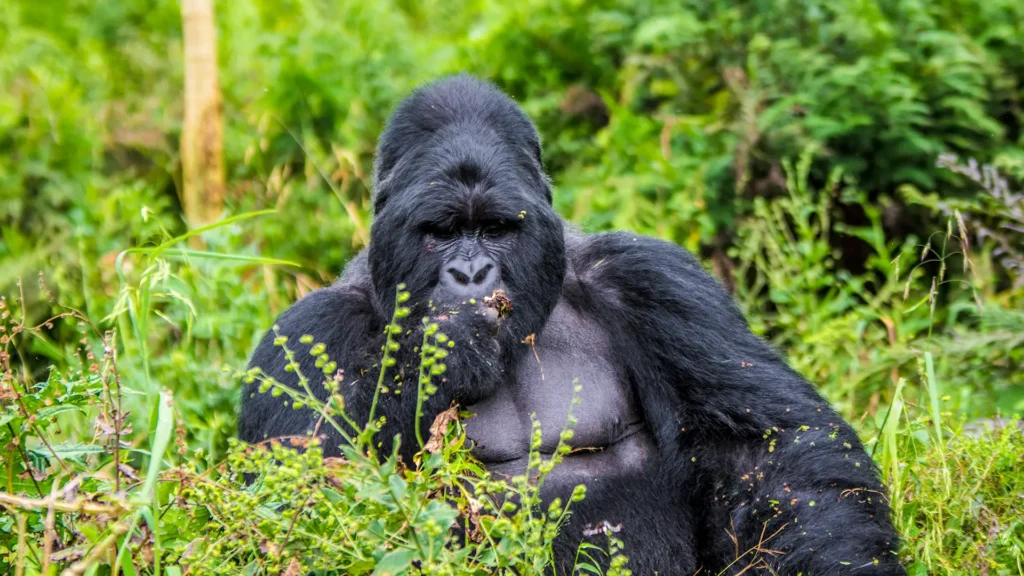
Uganda Wildlife Authority states that gorilla trekking can take between two and seven hours, depending on the movement of the gorilla family and the terrain, with one hour allowed for observation once the group is located.
A drier month does not guarantee a short trek. Gorilla groups remain in a natural forest environment, and conditions can change quickly.
Best for:
- First-time Uganda visitors
- Travellers who prefer more predictable road conditions
- Gorilla trekking combined with game drives
- Photography and classic safari routes
- Travellers with fixed schedules and limited flexibility

December to February — A Strong Option for Wildlife and Gorilla Trips
December to February is another commonly preferred period for Uganda travel. It can work particularly well for travellers combining:
- Bwindi or Mgahinga
- Queen Elizabeth National Park
- Kibale Forest
- Murchison Falls National Park
- Lake Mburo National Park
Explore Africa Adventures presents Uganda as a destination where rainforest, primates, savannah wildlife, lakes and mountain landscapes can be combined within one country.
For safari travellers, this season can offer a practical balance between wildlife activities and relatively manageable travel conditions. However, rainfall remains possible in forested and mountainous destinations, so lightweight waterproof gear should still be included.
Best for:
- Uganda wildlife-and-gorilla combinations
- Travellers who want a drier itinerary without travelling in mid-year
- Families and small groups planning around year-end or early-year holidays
- Visitors who want to combine several regions
April, May and November — The New Low-Season Gorilla Opportunity
One of the most commercially important Uganda travel updates for 2026 is the introduction of lower-season gorilla permit pricing.
Current published guidance reports discounted foreign non-resident permits of US$600 and foreign-resident permits of US$500 during April, May and November. The same guidance notes that low-season permits cannot be rescheduled.
This creates an important opportunity for travellers who are flexible with dates.
For two foreign non-resident travellers, the difference between a US$600 low-season permit and an US$800 standard permit would be US$400 in total permit savings, before considering accommodation or transport.
But lower cost does not mean identical conditions.
April, May and November can bring:
- Wet or muddy forest trails
- Heavier rainfall during some travel days
- Slower road transfers
- Lush vegetation and stronger landscape colour
- Fewer travellers in some areas
- Potentially better availability at selected lodges
The most important practical issue is the rescheduling rule. If a low-season permit is booked for a specific date and your plans change, you may not have the same flexibility available on a standard permit. This is why travellers should confirm dates carefully before payment.
Best for:
- Flexible travellers
- Value-conscious visitors
- Private trips with buffer days
- Photographers who appreciate lush forest conditions
- Travellers who do not mind rain and want a quieter atmosphere
Is the Rainy Season a Bad Time for Gorilla Trekking?
No.
A rainy-season gorilla trek can still be an excellent experience.
Uganda’s forests are naturally wet environments, and rain is part of the ecosystem that makes them so biologically rich. Tourism Uganda notes that gorilla tracking can be muddier during wetter months, but that it remains possible, with suitable clothing and preparation.
The more useful question is whether you are comfortable with:
- Wet ground
- Slippery slopes
- Rain jackets and waterproof bags
- Changing travel times
- A greater need for flexible planning
Some travellers actively prefer these conditions because the forest can feel quieter, greener and more atmospheric.
However, it would be misleading to promise that rain makes gorillas easier to find or that gorilla groups always stay at lower elevations during wet weather. Gorilla movements are natural and can vary from day to day. A responsible operator should explain the possibilities without guaranteeing a specific sighting duration, location or trekking difficulty.
What Is the Best Time for a Uganda Gorilla Trek?
Best for trail comfort: June to September
If your main concern is walking conditions, the mid-year dry season is often the most comfortable choice.
The forest can still be wet, but travellers generally face fewer prolonged rainfall disruptions than during the wetter months.
Best for lower permit cost: April, May and November
If your dates are flexible and you accept greater weather uncertainty, the new low-season permit rates may make these months attractive.
Do not book a low-season date solely because it is cheaper. Book it because the conditions, cancellation terms and overall itinerary work for you.
Best for a balanced itinerary: December to February
This period can suit travellers who want gorilla trekking plus several wildlife destinations and prefer to avoid the heaviest mid-year demand.
Best for a quieter, greener forest atmosphere: shoulder and rainy months
The forest is never guaranteed to be quiet, but fewer travellers may be present in some periods. Lush vegetation, mist and dramatic light can also create excellent photographic conditions.
The Best Time for Chimpanzee Tracking in Kibale
Kibale Forest is one of Uganda’s leading chimpanzee destinations.
Uganda Wildlife Authority describes guided chimpanzee tracking walks as typically lasting two to five hours, depending on chimpanzee movement, weather and terrain. Once the chimpanzees are found, visitors are allowed one hour in their presence.
Because Kibale is a forest ecosystem, weather remains part of the experience throughout the year. The best month for chimpanzee tracking is therefore often the month that works best with the rest of the route.
A traveller combining Kibale with Bwindi and Queen Elizabeth should consider:
- The total number of road-transfer days
- Whether the itinerary includes a recovery day
- The age and fitness level of travellers
- Whether the group wants standard chimpanzee tracking or a more immersive habituation-style activity
- Whether a flexible departure date is possible
The best route is not necessarily the one with the most primate activities. It is the one that gives each experience enough time.
The Best Time for Uganda Wildlife Safaris
Queen Elizabeth National Park
Queen Elizabeth National Park combines savannah, wetlands, forests, crater lakes and the Kazinga Channel. Explore Africa Adventures highlights game drives, boat cruises, chimpanzee tracking and the Ishasha sector’s tree-climbing lions as key experiences.
Dry-season travel can make some game-viewing routes more accessible, but wildlife viewing is never guaranteed. Uganda’s landscapes remain productive outside the peak dry months, and the greener season can produce dramatic scenery, birdlife and photographic backgrounds.
Murchison Falls National Park
Murchison Falls National Park combines broad savannah, the Nile, riverine habitats and boat-safari opportunities. Explore Africa Adventures describes it as Uganda’s largest national park, with game drives, a Nile cruise and the Top of the Falls experience.
For travellers who want to combine Murchison Falls with gorilla trekking, the main issue is not simply the month. It is the distance and route logic.
A three-day gorilla trek in southwestern Uganda and Murchison Falls in the northwest can create a demanding transfer unless the itinerary has enough days or includes internal flights.
Lake Mburo National Park
Lake Mburo is often a useful addition to shorter Uganda trips because it can connect naturally with journeys between Kampala, Entebbe and southwestern Uganda.
It can be particularly suitable for travellers who want a compact wildlife experience, zebras, scenic landscapes and a gentler introduction to safari before or after a more strenuous gorilla trek.
Uganda Gorilla Permit Prices in 2026–2027
Permit prices should always be confirmed directly through Uganda Wildlife Authority or a licensed operator before payment because tariffs can be revised.
Current 2026–2027 reporting indicates the following categories:
| Visitor category | Standard gorilla tracking | Low-season rate where published |
|---|---|---|
| Foreign non-resident | US$800 | US$600 in April, May and November |
| Foreign resident | US$700 | US$500 in April, May and November |
| Rest of Africa | US$500 | Confirm at booking |
| East African Community citizen | UGX 300,000 | Confirm at booking |
The revised tariff material also reports a future standard gorilla habituation price of US$1,800 for foreign non-residents, with other visitor categories listed separately. Because the tariff structure and implementation timing have changed during 2026, travellers should request an official, date-specific quotation rather than relying on old website figures.
The permit normally does not cover:
- International flights
- Visa fees
- Lodge accommodation
- Road transport
- Porters
- Travel insurance
- Personal equipment
- Additional activities outside the permit conditions
Why Your Travel Month Should Influence the Itinerary
A good Uganda safari is not just a list of parks. It is a sequence of activities that respects terrain, travel time and recovery.
For example, a traveller booking a gorilla trek in Bwindi should avoid placing a long cross-country transfer on the same day unless the route and timing have been carefully checked.