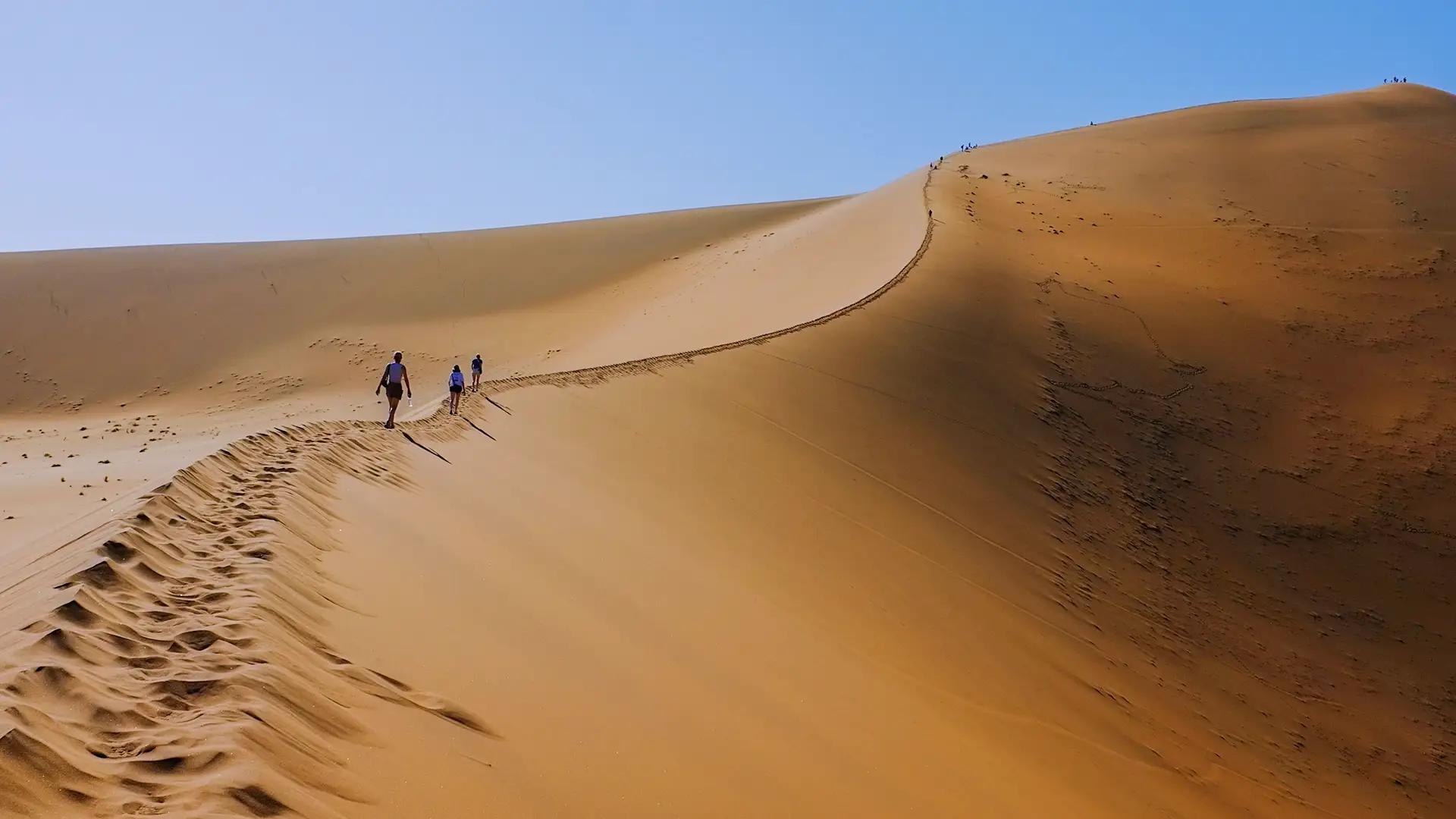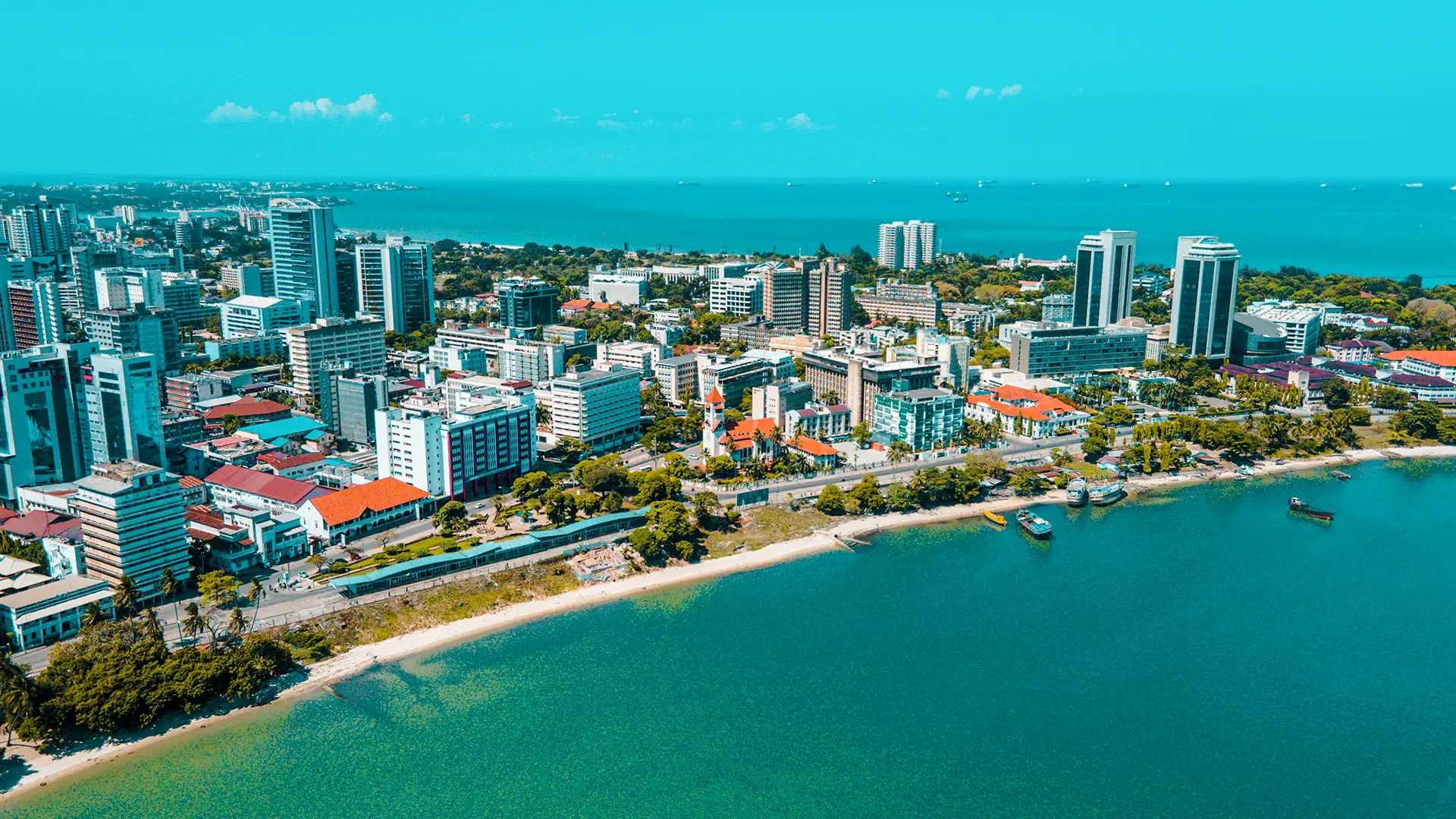
Africa is uniquely positioned as the world’s premier safari destination because of its unparalleled biodiversity, vast and varied landscapes, and rich cultural heritage. The continent spans from the lush rainforests of Central Africa to the arid deserts of Namibia, from the snow-capped peaks of Mount Kilimanjaro to the pristine beaches of Zanzibar.
The continent’s ecosystems support an astonishing array of wildlife, including the “Big Five” lion, leopard, elephant, buffalo, and rhinoceros alongside countless other species of mammals, birds, reptiles, and insects. Many of these species are endangered or threatened, such as the mountain gorilla and black rhinoceros, making responsible tourism and conservation efforts vital.
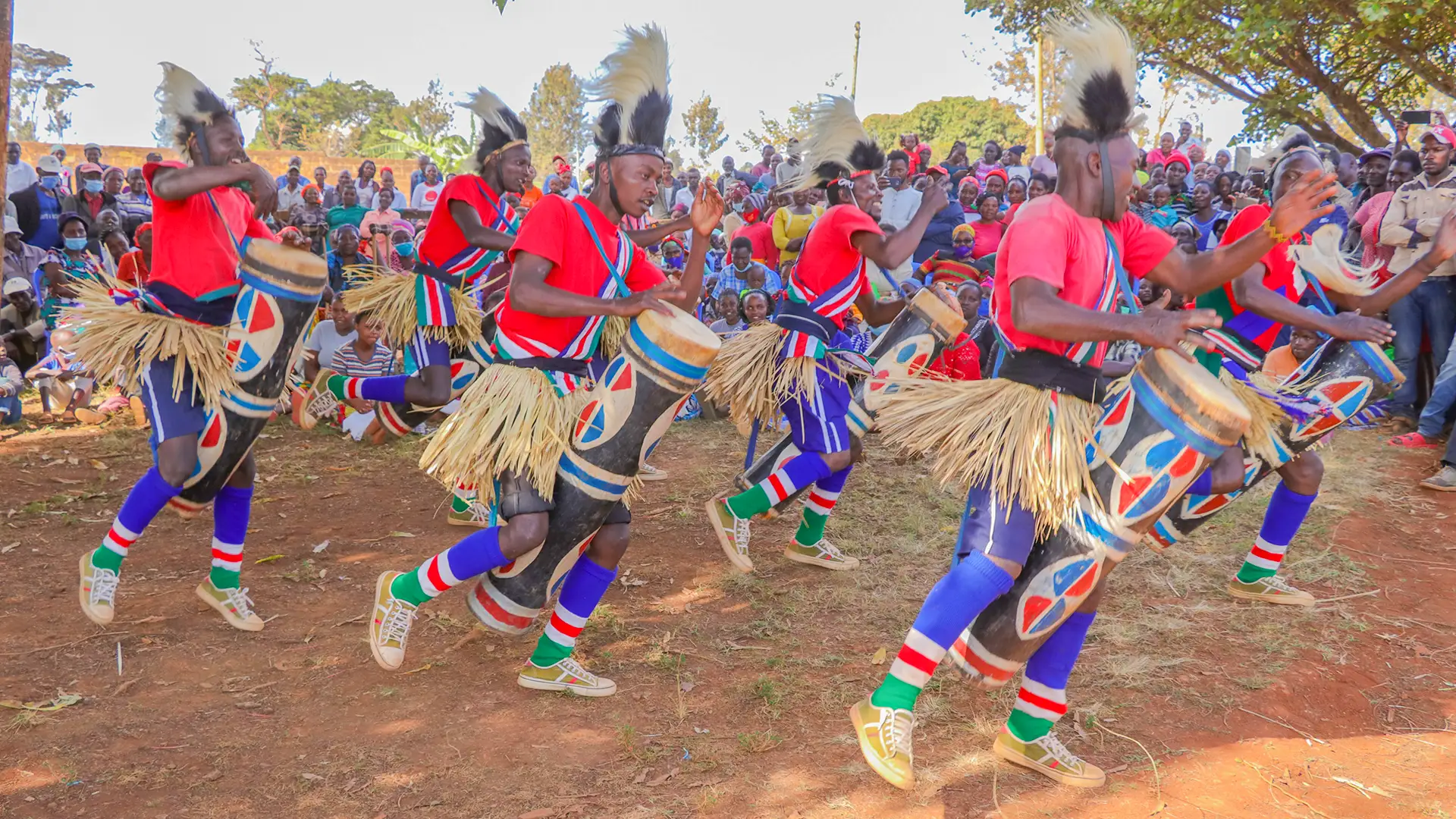
Beyond the wildlife, Africa’s diverse cultures and histories deepen the richness of the safari experience. Visiting local tribes, ancient ruins, and vibrant markets offers travelers a glimpse into the continent’s complex social fabric.
Choosing Africa means supporting conservation initiatives and local communities, as tourism revenue contributes directly to protecting endangered species and fostering sustainable development.
Top African Safari Destinations in 2026
Uganda: The Pearl of Africa
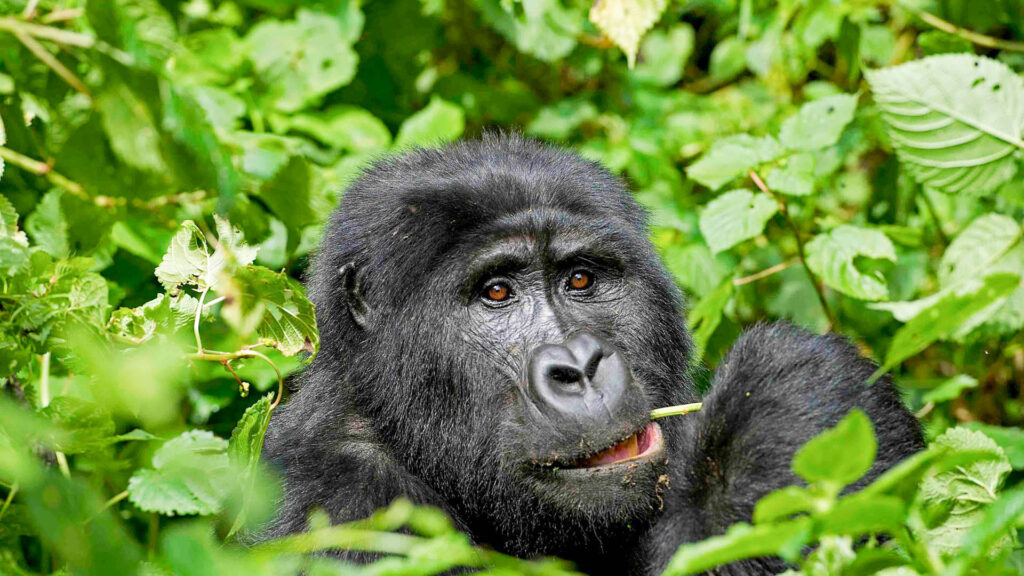
Uganda is often called the “Pearl of Africa” because of its lush landscapes, abundant wildlife, and diverse ecosystems. It boasts some of the most spectacular primate encounters in the world, with mountain gorillas and chimpanzees being the main attractions.
The primary destination for gorilla trekking is Bwindi Impenetrable National Park, a UNESCO World Heritage Site, where tourists can observe critically endangered mountain gorillas in their natural habitat. Permits for gorilla trekking are highly limited, often costing around $700 per permit, and should be booked well in advance due to high demand.
In addition to gorillas, Uganda offers chimpanzee tracking in Kibale Forest National Park, which is home to one of the highest primate densities globally. Visitors can also explore Queen Elizabeth National Park, known for its diverse wildlife, including elephants, lions, leopards, and hippos, as well as boat safaris on the Kazinga Channel that provide close-up views of aquatic and terrestrial animals.
Murchison Falls National Park, with its dramatic waterfalls and river safaris, and Lake Mburo National Park, known for its zebras and antelopes, round out Uganda’s top safari offerings.
The best time to visit Uganda for safari purposes is during the dry seasons from June to September and December to February when wildlife congregates around water sources, and vegetation is less dense, making animal sightings more predictable.
Rwanda: The Land of a Thousand Hills and Mountain Gorilla
Rwanda is renowned for its conservation success in protecting mountain gorillas, with Volcanoes National Park being the prime destination. Visitors can undertake guided treks to see these gentle giants, an experience that is both humbling and awe-inspiring.
In addition to gorilla trekking, Rwanda offers birdwatching in Nyungwe Forest, which hosts over 300 bird species, and safaris in Akagera National Park, where the landscape transitions from wetlands to savannah and supports the Big Five.
Rwanda’s tourism infrastructure has advanced significantly, offering luxurious lodges and eco-friendly accommodations that blend seamlessly into the landscape. The country’s commitment to conservation and community development makes it a responsible tourism destination.
The best time to visit Rwanda aligns with the dry seasons from June to September and December to February, when trekking conditions are optimal, and wildlife viewing is at its peak.
Kenya: The Classic Safari Destination
kenKenya is the archetype of the traditional African safari, famed for its vast savannahs, rich wildlife, and the annual Great Migration, which involves millions of wildebeest, zebras, and gazelles moving between the Serengeti in Tanzania and the Maasai Mara in Kenya.
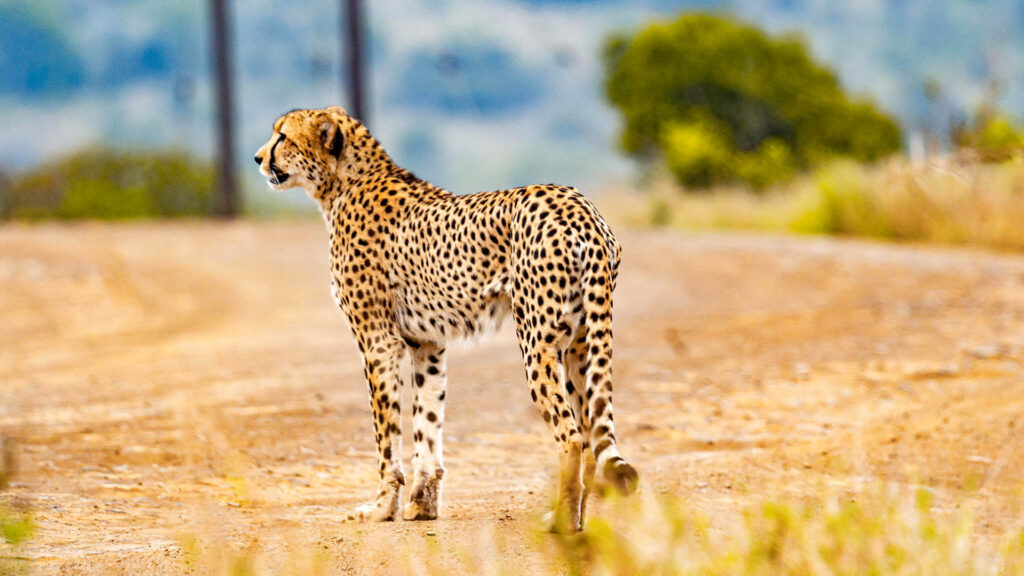
The Maasai Mara is renowned for its predator sightings, including lions, cheetahs, and hyenas, as well as its vibrant Maasai culture. Hot air balloon safaris over the Mara offer breathtaking aerial perspectives of the landscape and wildlife.
Kenya’s national parks and reserves are accessible year-round; however, the dry seasons from June to October and January to March are ideal for wildlife viewing. The migration typically peaks between July and October, providing spectacular river crossings and predator-prey interactions.
Kenyan safaris also include cultural visits to Maasai villages, birdwatching expeditions, and visits to historic sites like Fort Jesus in Mombasa.
Tanzania: Wilderness and Coastal Retreats
Tanzania offers some of Africa’s most iconic safari experiences, including the vast plains of the Serengeti, the caldera of Ngorongoro, and the lesser-known parks like Tarangire and Lake Manyara. The Serengeti is world-famous for its annual migration, which, depending on the time of year, attracts millions of wildebeest and zebras, along with numerous predators.
Ngorongoro Crater is a natural amphitheater teeming with wildlife, including large prides of lions, elephants, and rhinoceroses. The crater provides excellent game viewing all year round.
For those seeking a combination of safari and relaxation, many travelers extend their trip to Zanzibar, an archipelago famed for its white sandy beaches, coral reefs, and Swahili culture.
The prime months for wildlife viewing are June to October, during the dry season, with the calving season in January and February providing excellent birdwatching and predator-prey dynamics.
Botswana: The Epitome of Luxury and Wilderness Conservation
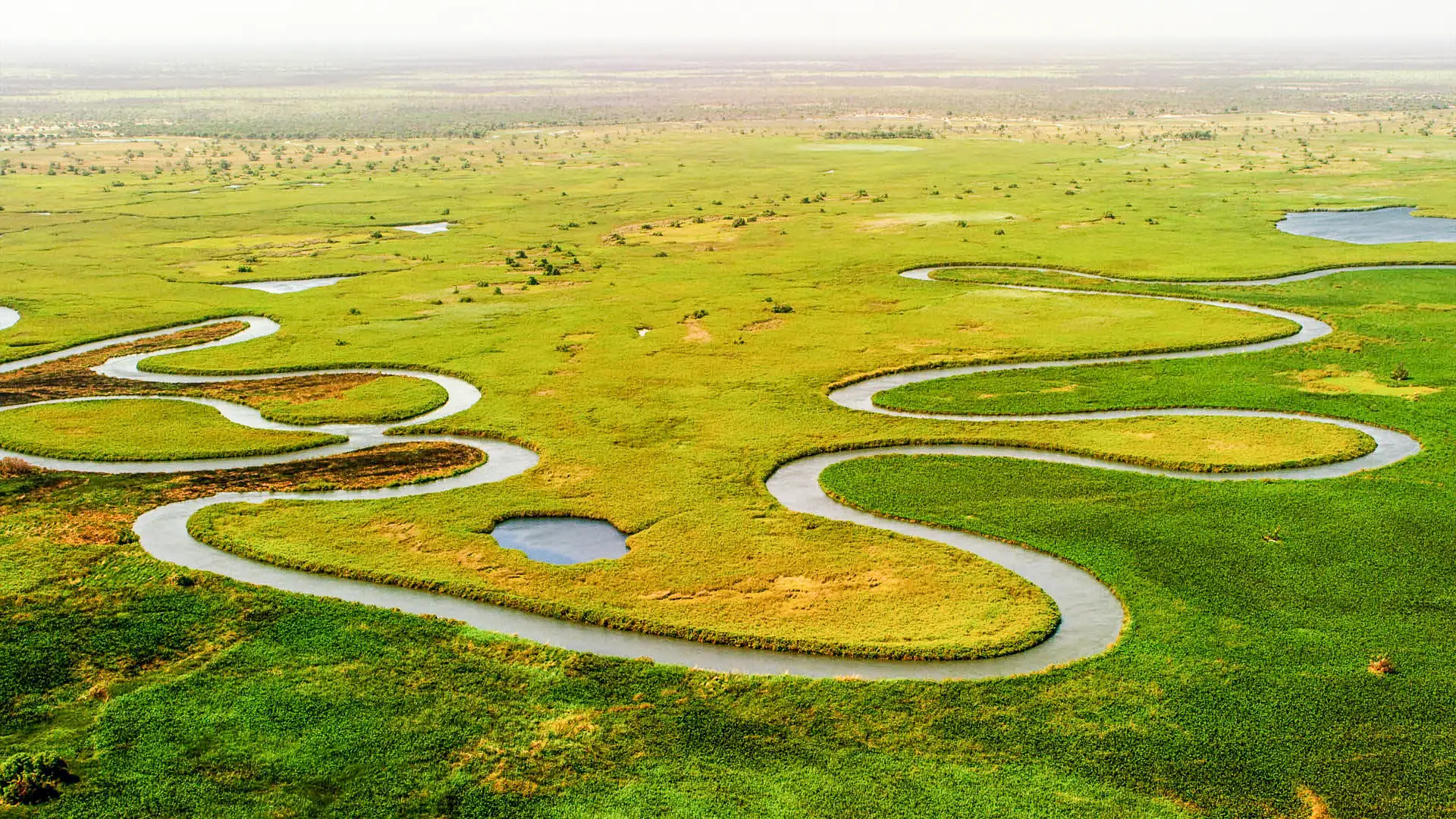
Botswana is a premier destination for travelers seeking exclusivity, pristine wilderness, and high-end experiences. The Okavango Delta, a UNESCO World Heritage Site, is one of the world’s largest inland deltas, supporting a complex ecosystem with abundant wildlife, including large herds of elephants, buffalo, and predators.
Chobe National Park is renowned for its massive elephant populations and river cruises, which offer intimate wildlife encounters. Moremi Game Reserve, located within the delta, is one of Africa’s most celebrated conservation success stories.
Botswana’s lodges and camps are known for their eco-luxury and focus on sustainable tourism. The best time to visit is during the dry season from May to October, when animals gather around remaining water sources.
Namibia: Dramatic Landscapes and Specialized Wildlife
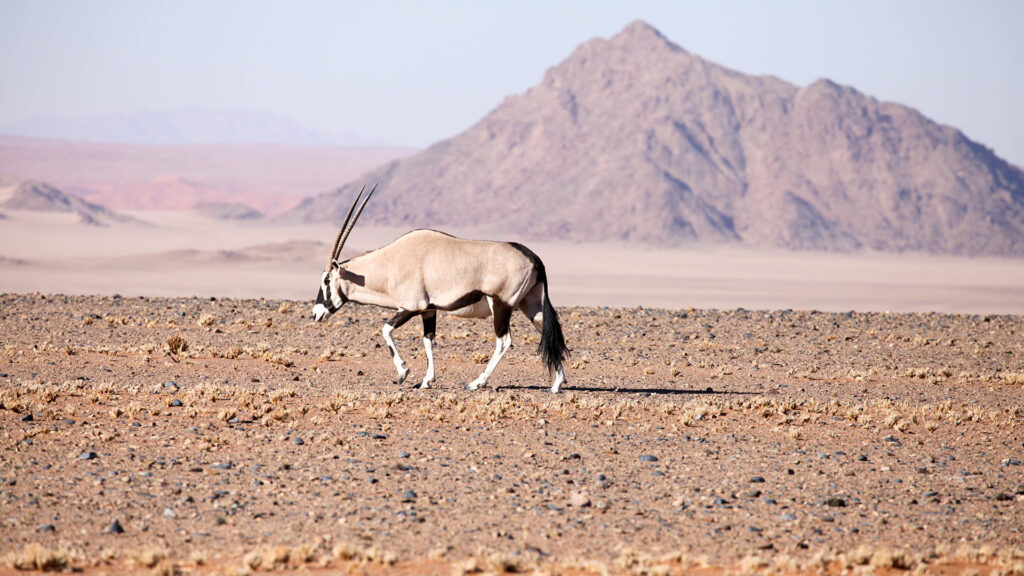
Namibia is distinguished by its otherworldly landscapes, including the towering red dunes of Sossusvlei, the stark Skeleton Coast, and the surreal Deadvlei. It also offers unique wildlife experiences, such as tracking desert-adapted elephants, black rhinoceroses, and lions that have evolved to survive in extreme environments.
Etosha National Park features a vast salt pan that attracts large herds of herbivores and predators, especially during the dry season when waterholes draw animals in large numbers.
Namibia’s remote wilderness, combined with cultural sites like the Himba tribes, offers a blend of adventure and cultural immersion. The best period for safaris is from May to October, when conditions are dry and wildlife concentrates around water sources.
Understanding the Best Time to Visit Africa for a Safari
Africa’s vast size and diverse climates mean that the optimal time for safari varies greatly depending on the specific region and desired wildlife experiences.
In general, the dry season typically from June through October is considered the best time for game viewing because animals tend to congregate near water sources, making sightings more predictable. This period also coincides with the migration of wildebeest and zebras across the Serengeti and Maasai Mara, creating some of the most spectacular wildlife spectacles on earth.
However, the wet season November through April also offers unique opportunities. Lush landscapes are ideal for birdwatchers, as migratory birds arrive in large numbers. Calving seasons in certain parks attract predators and provide excellent photographic opportunities. Additionally, accommodations tend to be less crowded and more affordable during this period.
Regions like Namibia and Botswana, with their arid climates, are best visited in the dry season, while East African parks like Serengeti, Maasai Mara, and Uganda’s parks are most rewarding in the dry months from June to October.
Special Events and Migration Calendar
Travel timing can also be influenced by specific wildlife events. For example, the Great Migration in the Serengeti and Maasai Mara peaks between July and October, with river crossings that are iconic moments for safari-goers. Conversely, the calving season in East Africa occurs from January to March, attracting predators and offering unique viewing opportunities.
Different Types of Safaris and How to Choose the Right One
Africa offers a wide array of safari experiences, each tailored to particular interests, physical abilities, and budgets. The traditional game drive safari involves exploring parks in 4×4 vehicles, often with expert guides who can spot wildlife that travelers might miss.
Walking safaris provide an intimate experience, allowing travelers to learn about tracks, signs, and the smaller creatures of the bush under the guidance of armed rangers. These are often conducted in smaller reserves or private concessions.
Gorilla trekking and chimpanzee tracking involve guided hikes into forests an activity that requires physical fitness but delivers close encounters with primates.
Boat safaris and canoe trips are ideal in delta regions such as the Okavango or the Nile River, offering a different perspective and opportunities to see aquatic wildlife like hippos and crocodiles.
Hot air balloon safaris provide panoramic views of the landscape at dawn, often followed by a celebratory champagne breakfast.
Cultural safaris allow travelers to visit local tribes, learn about their customs, and participate in traditional dances and crafts.
Luxury fly-in safaris are perfect for those seeking convenience and exclusivity, connecting remote lodges and parks via private aircraft.
Family-friendly safaris include activities suitable for children, with some parks offering specialized programs for younger travelers.
Photographers can opt for specialized safaris with expert guides, early morning or late afternoon excursions, and technical support.
A Deep Dive into Safari Costs and Budgeting
The cost of an African safari varies significantly based on several key factors: destination, duration, the level of luxury, season, and specific activities.
At the lower end, budget safaris can start around $1,500 to $3,000 per person for a week-long trip, usually including shared accommodations, group drives, and basic amenities. These trips tend to take place in less developed areas and involve more camping or simple lodges.
Mid-range safaris, priced between $3,000 and $7,000, typically include private guides, more comfortable lodges, and some included activities. They often offer a balance of comfort and affordability, with options for tailored itineraries.
Luxury safaris, ranging from $7,000 to over $20,000 per person, feature high-end lodges, private guides and vehicles, gourmet meals, and exclusive experiences such as private game drives or helicopter safaris. These trips emphasize comfort, exclusivity, and personalized service.
Ultra-luxury safaris, which can cost upwards of $50,000, often include private jets, bespoke itineraries, and access to private reserves, appealing to high-net-worth individuals seeking ultimate exclusivity.
Major cost components include park entrance fees, which vary by park (for example, Serengeti entry fees are approximately $60 per day), the cost of permits (notably gorilla permits in Rwanda and Uganda are around $700+), accommodation, transportation (including domestic flights), guide services, activities, and tips.
Booking through reputable local operators or international tour companies can ensure better value, safety, and personalized service. Planning well in advance is critical, especially for primate permits and during peak migration seasons.
The Rich Diversity of Wildlife You Can Expect
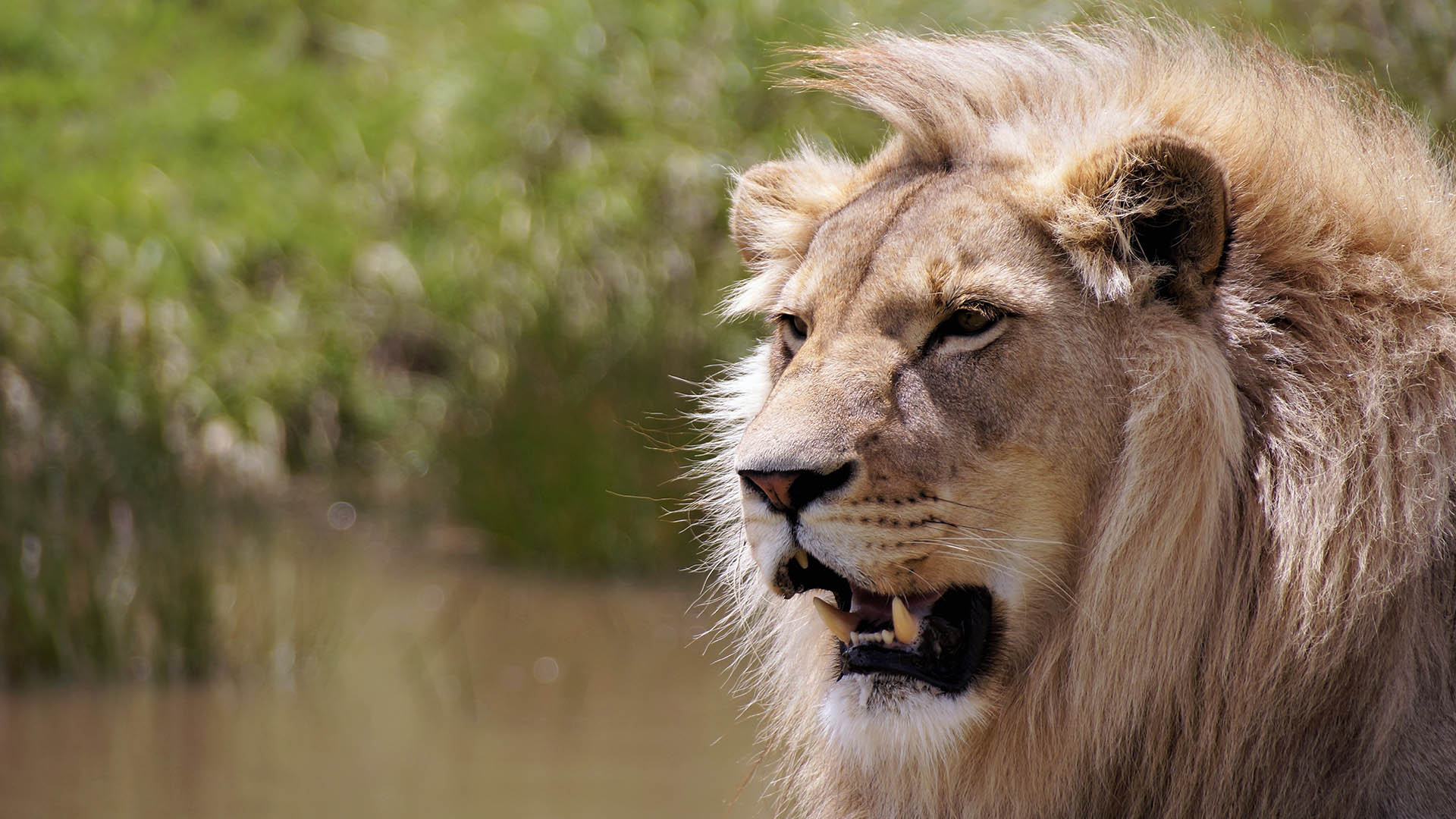
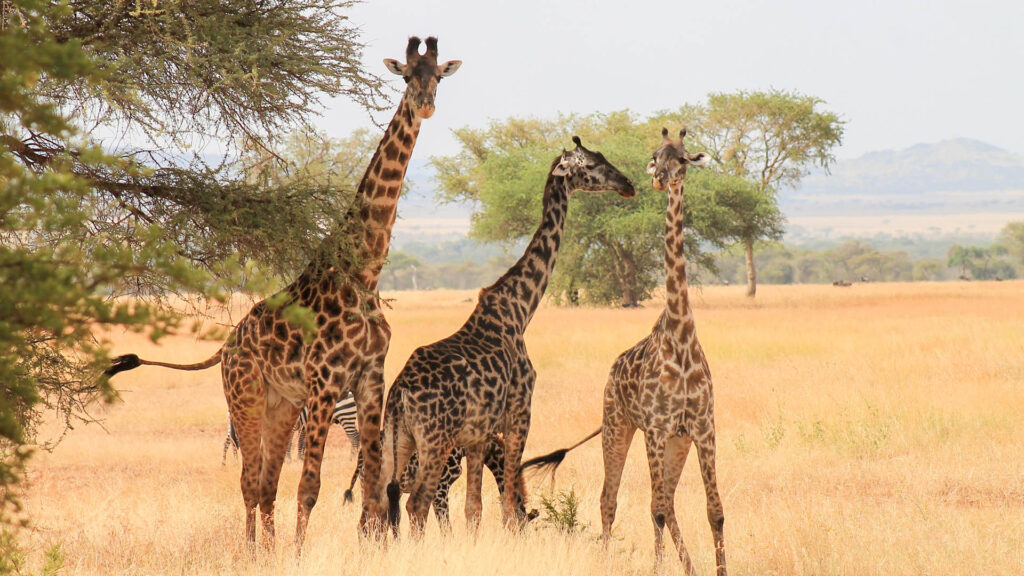
Africa’s wildlife is as diverse as its landscapes. In most safari regions, travelers can expect to see the “Big Five” lion, leopard, elephant, buffalo, and rhinoceros alongside a wide variety of other mammals, reptiles, and bird species.
Lions and cheetahs are the top predators that dominate the savannahs, hunting herbivores such as antelopes and zebras. Elephants are the largest land animals, often seen in herds, especially in Botswana, Namibia, and Kenya. Rhinos are critically endangered, with small populations mainly in protected reserves.
Primates such as mountain gorillas and chimpanzees are found primarily in forests of Uganda, Rwanda, and Tanzania. Birdwatching is a major attraction, with species such as flamingos, ostriches, kingfishers, eagles, vultures, and hornbills.
Reptile enthusiasts can spot crocodiles and monitor lizards, while aquatic mammals like hippos and crocodiles inhabit rivers and lakes.
Each region offers unique wildlife spectacles. For example, the Maasai Mara is famous for its lion prides and cheetah sightings, while Botswana’s Okavango Delta offers opportunities to see large herds of elephants, buffalo, and elusive predators.
Essential Packing List for a Successful Safari
Preparation is key to comfort and safety. Your packing list should include clothing suited for warm days and cooler evenings, as well as protective gear against insects and sun exposure.
Neutral-colored clothing such as khaki, olive green, or brown is recommended to blend into the environment and avoid attracting insects. Long-sleeved shirts and trousers are essential for sun and insect protection, especially in the evenings when mosquitoes are active.
A wide-brimmed hat or cap shields you from the sun, while sunglasses protect your eyes. High-SPF sunscreen is crucial to prevent sunburn, and insect repellent containing DEET helps ward off mosquitoes and other biting insects.
A good quality camera with extra batteries and memory cards allows you to capture wildlife moments. Binoculars enhance wildlife viewing, especially for distant animals. A power bank ensures your electronics stay charged during long days out.
Other practical items include a lightweight rain jacket or poncho, sturdy hiking shoes, personal medications, a basic first aid kit, and a reusable water bottle to stay hydrated.
Packing light is advisable, but it’s essential to be well-prepared for different weather conditions and activities.
Health and Safety Tips for Traveling in Africa
Prioritize your well-being by consulting your healthcare provider at least 4-6 weeks before departure. Vaccinations for yellow fever, hepatitis A and B, typhoid, and tetanus are commonly recommended. Many regions are endemic for malaria, so prophylactic medication, insect nets, and repellents are necessary.
Travel insurance that covers medical emergencies, evacuations, and trip cancellations is essential. Carry a copy of your vaccination certificates, and ensure your passport is valid for at least six months beyond your travel dates, with necessary visas obtained in advance.
During your safari, follow your guides’ instructions carefully. Maintain a safe distance from all wildlife never attempt to feed or touch animals. Respect local customs and cultures, and be mindful of environmental conservation practices.
Stay hydrated, eat cooked foods, and avoid raw or unpurified water. Carry a basic first aid kit, including antihistamines, antiseptics, and any personal medications.
Traveling responsibly supports conservation efforts and ensures the safety and enjoyment of future travelers.
Why Book Your Safari with Explore Africa Adventures?
At Explore Africa Adventures, our mission is to craft personalized, authentic safaris that align with your interests and budget. We leverage extensive local knowledge, working with trusted guides, lodges, and conservation partners to deliver an experience that is seamless, responsible, and enriching.
Our customized itineraries incorporate your preferences whether you desire wildlife photography, primate encounters, cultural immersion, or luxury relaxation. We prioritize sustainability and community engagement, ensuring your journey benefits local communities and preserves Africa’s natural heritage.
From detailed planning and expert guidance to transparent pricing and exceptional customer service, we are committed to making your African safari in 2026 extraordinary.