
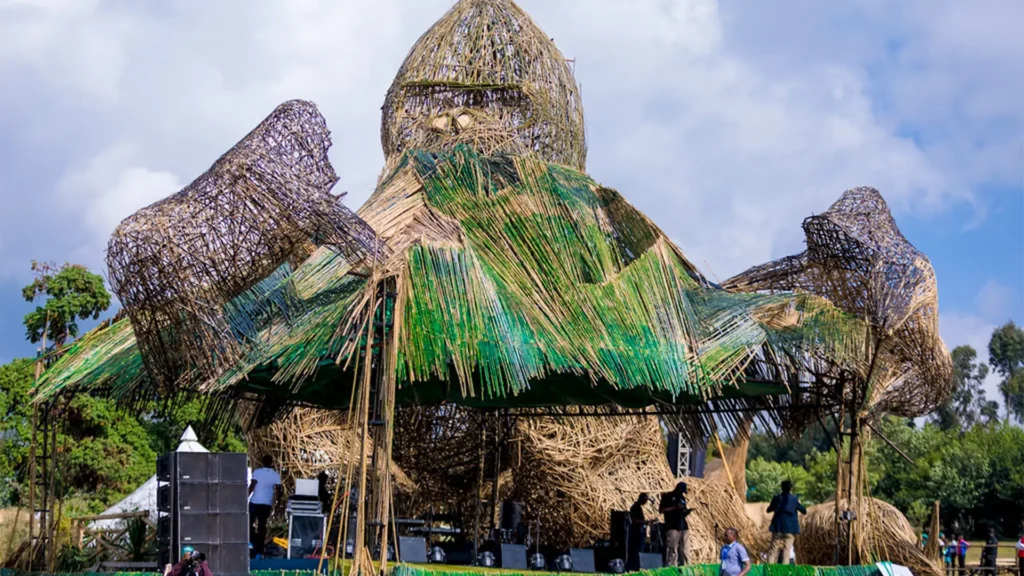
On 4 September 2026, the foothills of Rwanda’s Volcanoes National Park will once again become the centre of attention for one of Africa’s most distinctive conservation celebrations. The 21st Kwita Izina Gorilla Naming Ceremony will take place in Kinigi, Musanze District, under the theme “Conservation is Life: Sustaining the Future.” The event brings together conservationists, researchers, communities, tourism stakeholders and international guests to celebrate Rwanda’s mountain gorillas and the work behind their protection.
But Kwita Izina is about much more than giving names to baby gorillas. Over the past two decades, it has developed into a platform through which Rwanda presents its approach to wildlife conservation, community participation and sustainable tourism. That makes the 2026 edition worth watching.
What Is Kwita Izina?
The name Kwita Izina translates from Kinyarwanda as “to give a name.” The ceremony is rooted in a centuries-old Rwandan tradition in which families and communities gather to name newborn children and celebrate new life. Rwanda adapted this tradition for gorilla conservation, officially launching Kwita Izina in 2005. Before the ceremony became a major public event, park rangers and researchers were already giving names to individual gorillas to help identify, monitor and manage gorilla families.
Today, the naming ceremony has become an international conservation event. Since 2005, 438 mountain gorillas have been named through Kwita Izina. In 2026, organisers expect to name 22 baby mountain gorillas, bringing the cumulative total to approximately 460.
Why Naming a Gorilla Matters
At first, giving a gorilla a name might appear symbolic. There is, however, a practical conservation reason behind identifying individual animals. Rangers and researchers need to distinguish individual gorillas and understand their family relationships, movements, health and behaviour. Naming makes long-term monitoring more manageable and accurate.
The public ceremony adds another layer. Instead of mountain gorillas being viewed simply as a distant wildlife population, individual animals and families become part of a story that people can understand and connect with. That emotional connection helps communicate why protecting their habitat matters and turns abstract conservation goals into something personal and memorable.
Rwanda’s Mountain Gorilla Conservation Story
The story behind Kwita Izina is significant because mountain gorillas remain one of the world’s most endangered great apes. Their entire population is restricted to the Virunga Massif (shared by Rwanda, Uganda and the Democratic Republic of Congo) and Bwindi Impenetrable National Park in Uganda.
According to the most recent estimates, the global mountain gorilla population exceeds 1,063 individuals approximately 604 in the Virunga Massif and around 459 in the Bwindi–Sarambwe ecosystem. Mountain gorillas are currently the only great ape whose population is increasing. This recovery is the result of decades of intensive conservation work involving rangers, researchers, veterinary teams (including Gorilla Doctors), communities, governments and organisations such as the Dian Fossey Gorilla Fund and the International Gorilla Conservation Programme.
Kwita Izina provides an annual opportunity to bring public attention to that wider effort and to celebrate progress that once seemed almost impossible.

From Conservation to Tourism
There is another important part of Rwanda’s model: tourism helps create an economic reason to protect wildlife and its habitat. Mountain gorilla trekking in Volcanoes National Park has become one of Rwanda’s signature tourism experiences. Visitors travel to the region to hike through the volcanic forests in search of habituated gorilla families.
The experience generates tourism spending far beyond the trekking permit itself. Travellers require accommodation, transport, meals, guides, porters and other services, creating opportunities for businesses and communities around the destination. This creates a direct connection between conservation and the tourism economy. When a living gorilla population has tangible economic and social value, protecting its habitat becomes part of a broader development strategy.
Communities Are Part of the Conservation Story
One of the most important aspects of Kwita Izina is that Rwanda does not present gorilla conservation as something happening separately from the people living around Volcanoes National Park. The official 2026 programme includes the Smart Green Village Project, an initiative supporting improved livelihoods for communities around the park while highlighting the relationship between conservation and tourism.
Rwanda’s Tourism Revenue Sharing Programme channels 10 per cent of national park revenues directly to surrounding communities. Over the past 20 years, more than RWF 23 billion has been invested in nearly 1,300 community projects, supporting education, healthcare, water access, livelihoods and infrastructure. In the districts around Volcanoes National Park alone, significant annual allocations continue to fund local priorities.
Protected areas cannot exist in isolation from surrounding communities. People living near national parks need opportunities to benefit from the tourism and conservation economy through employment, community projects, small businesses and infrastructure. The long-term success of conservation depends not only on protecting animals, but also on building relationships with the people who share the landscape.
The 2026 Theme: “Conservation is Life”
The theme for Kwita Izina 2026 is “Conservation is Life: Sustaining the Future.” The message reflects a broader idea behind Rwanda’s conservation programme: protecting biodiversity is not only about preserving wildlife for its own sake. Healthy ecosystems also support communities, tourism, natural resources and future generations.
The theme is particularly relevant as Rwanda looks beyond the achievements of the past two decades and towards maintaining those gains. The official programme describes the 2026 ceremony as a celebration of more than two decades of conservation progress while looking toward a future where biodiversity, ecosystems and communities can continue to thrive together.
What Is Happening During Kwita Izina 2026?
Kwita Izina has grown beyond the main naming ceremony into a wider programme of conservation, cultural and tourism activities. The 2026 programme includes a conservation exhibition in Kinigi from 28 August to 8 September, highlighting Rwanda’s mountain gorilla conservation journey and the communities and partners involved.
There are also screenings of A Gorilla Story, a documentary narrated by Sir David Attenborough, taking place in Kigali and Musanze on 2–3 September. On 3 September, invited Namers will participate in a gorilla trekking experience in Volcanoes National Park, while a community celebration concert will take place in Musanze.
The official Gorilla Naming Ceremony will take place on 4 September 2026 in Kinigi, Musanze District, at the foothills of Volcanoes National Park. Celebrations will continue on 5 September with a major concert at BK Arena in Kigali, featuring Nigerian Afrobeats artist Rema as the headline performer.
Kwita Izina and the Future of Gorilla Tourism
The significance of Kwita Izina extends beyond the ceremony itself. Rwanda has positioned gorilla tourism as part of a broader sustainable tourism strategy, using the international attention around mountain gorillas to promote conservation and the communities surrounding protected areas.
For travellers, this creates an opportunity to experience Rwanda beyond the gorilla trek itself. A visit to Volcanoes National Park can be combined with cultural experiences, community visits, hiking and exploration of the wider Musanze region. The result is a tourism model where the gorilla is not simply an attraction — it becomes the starting point for a much broader destination experience.
Why Kwita Izina Matters to Africa
There is a wider lesson here for African tourism. Many of the continent’s most valuable tourism assets are also conservation assets. Gorillas, elephants, lions, chimpanzees, forests, wetlands and other ecosystems attract visitors, but they also need protection from habitat loss, human pressure and other threats.
Kwita Izina demonstrates one possible approach: conservation + tourism + community participation. It does not mean tourism alone can solve conservation challenges. It does show how wildlife protection can be connected to economic activity and public awareness in a way that strengthens both.
What Travellers Can Learn From Kwita Izina 2026
For someone planning a gorilla trekking trip, Kwita Izina offers an opportunity to understand the destination differently. A gorilla trek is not simply a wildlife excursion. Behind the experience are rangers protecting the forest, researchers monitoring gorilla families, veterinary teams supporting animal health, communities living around the park, tourism workers supporting visitors, conservation organisations contributing expertise, and government institutions managing protected areas.
The hour spent with a gorilla family is therefore only one part of a much larger conservation story.
Rwanda, Uganda and the Shared Gorilla Conservation Story
An important point for travellers is that Rwanda is not the only country protecting mountain gorillas. The Virunga Massif spans Rwanda, Uganda and the Democratic Republic of Congo, while Uganda’s Bwindi Impenetrable National Park protects another major population. This makes mountain gorilla conservation a regional issue rather than one belonging to a single country.
For travellers interested in gorilla conservation, both Rwanda’s Volcanoes National Park and Uganda’s Bwindi Impenetrable National Park offer opportunities to encounter mountain gorillas in their natural habitat. The conservation story therefore crosses national borders.