When travellers imagine Africa, food is rarely the first thing that comes to mind. The usual images are more dramatic: elephants crossing a savannah at sunset, gorillas deep inside a rainforest, the dunes of the Sahara, the mountains of East Africa or the beaches of the Indian Ocean. Yet across the continent, some of the most revealing travel experiences happen around a table, in a market, beside a roadside grill, on a farm, in a coffee-growing community or inside a family kitchen.
Food has a way of explaining a place that few other experiences can match. It reveals what grows in the surrounding landscape, what communities have learned to preserve, what traders have carried across borders and oceans, and what generations have chosen to keep alive. A plate of food can tell a story about migration, climate, religion, agriculture, trade and identity without requiring a visitor to enter a museum.
That makes culinary travel one of the most interesting ways to experience Africa. It does not replace wildlife, beaches, mountains or cultural attractions. Instead, it connects them. A safari can become more meaningful when a traveller understands the food grown around the protected area. A city becomes more familiar after exploring its markets. A visit to the coast becomes richer when its cuisine is understood through centuries of Indian Ocean exchange. A coffee-growing region becomes more than beautiful scenery when visitors meet the people who grow and process the beans.
Africa does not have one cuisine, and it does not need one. Its strength lies in the extraordinary differences between its regions, countries and communities.
Africa’s Food Story Is as Diverse as the Continent Itself
To speak about “African cuisine” as though it were one culinary tradition is almost as misleading as speaking about “African culture” as though the continent shared one way of life. Africa contains thousands of communities, hundreds of languages, dramatically different climates and landscapes, and long histories of migration and trade. The food that emerges from those environments is equally varied.
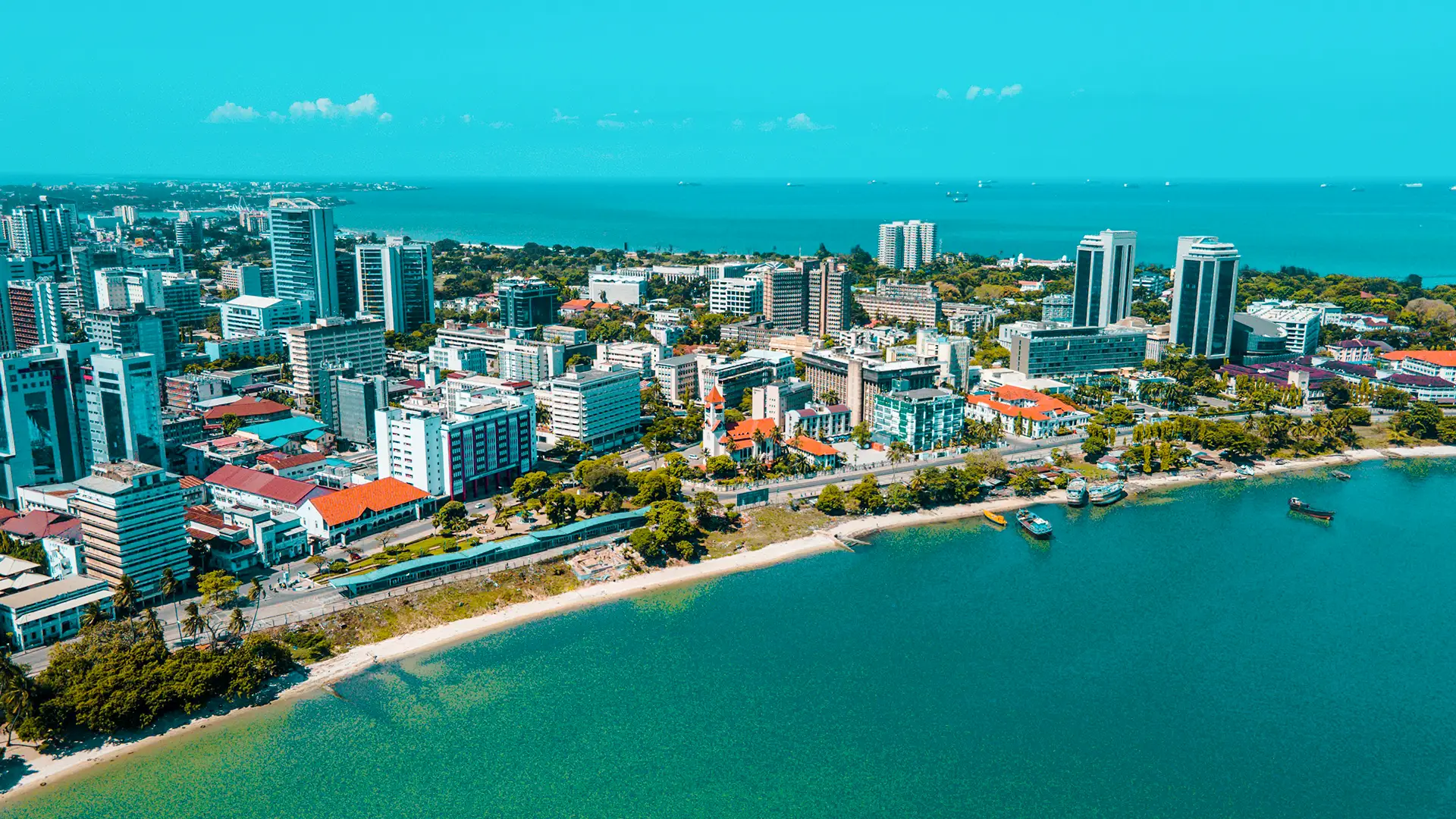
In East Africa, the food traditions of Uganda, Kenya, Tanzania and Rwanda reflect agricultural landscapes, pastoral communities, freshwater resources and centuries of movement around the Great Lakes and Indian Ocean. Along the Swahili Coast, particularly in Tanzania and Kenya, African culinary traditions have developed alongside Arab, Persian and Indian influences brought through centuries of maritime trade. Zanzibar provides one of the clearest expressions of this history, where spices, seafood, coconut, rice and other ingredients form part of a cuisine shaped by the meeting of different cultures.
Further north, Morocco, Tunisia, Algeria and Egypt introduce another culinary world. Couscous, tagines, breads, olives, preserved foods, dates, spices and grains reflect the interaction of North African, Arab, Amazigh, Mediterranean and wider historical influences. In Marrakech, a traveller can move from a spice-filled souk to a traditional restaurant and then into a modern dining scene that is constantly reinterpreting the country’s culinary heritage.
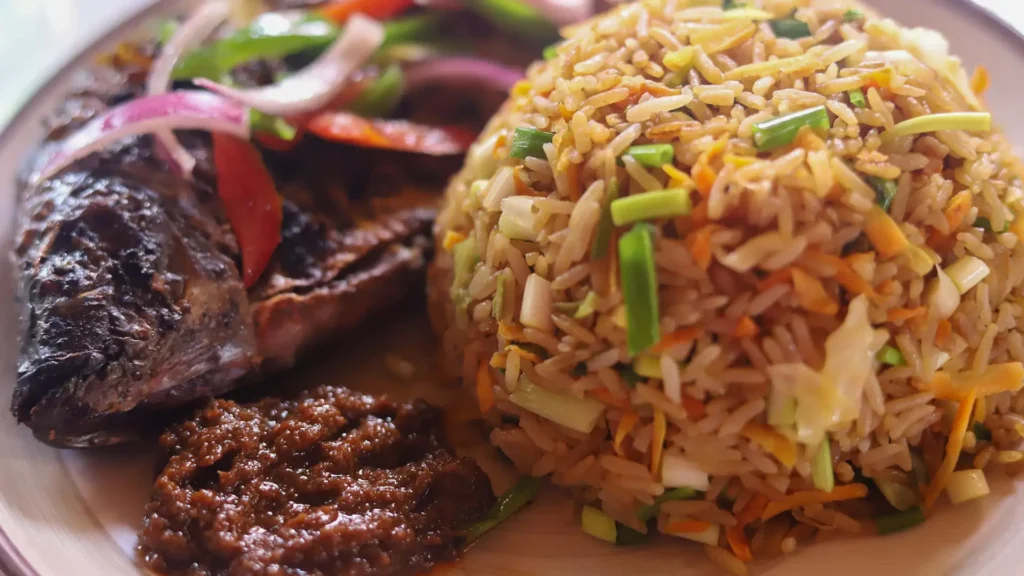
Travel further west and the food story changes again. Senegal’s thieboudienne, Ghana’s fufu and stews, Nigeria’s jollof rice and suya, Côte d’Ivoire’s attiéké and the many regional dishes found across West Africa demonstrate how deeply food is connected to local agriculture and social life. The famous debate over which country makes the best jollof is itself a reminder that food can carry identity, pride and history.
Southern Africa brings another collection of traditions. South Africa’s food culture reflects indigenous African traditions alongside Cape Malay, Dutch, Indian and other influences that have developed through the country’s complicated history. Zimbabwe, Zambia, Botswana and Namibia have their own food traditions connected to grains, livestock, wild foods, rivers and local agricultural systems. In Mozambique, the country’s Indian Ocean position is reflected in the use of seafood, coconut, spices and chilli.
Central Africa and the islands of the Indian Ocean add still more dimensions to the story. Cameroon, the Democratic Republic of Congo, Madagascar, Mauritius and the Comoros each demonstrate how geography, migration and local ingredients have shaped distinctive food cultures.
This diversity is one reason UN Tourism has increasingly highlighted gastronomy as an important part of Africa’s tourism development. Its regional gastronomy initiatives have brought together tourism authorities, chefs, producers, entrepreneurs and other stakeholders around the idea that African culinary heritage can support tourism, communities, cultural preservation and economic development. In 2025, the second UN Tourism Regional Forum on Gastronomy Tourism for Africa was held in Arusha, Tanzania, following the inaugural forum in Victoria Falls, Zimbabwe, in 2024.
Food Can Be a Different Way of Reading the Landscape
One of the most interesting things about culinary travel is that food can reveal the landscape without a traveller consciously looking for that connection.
In Uganda, bananas, plantains, cassava, beans, coffee, tea, fish and other agricultural products are connected to different regions and livelihoods. In Ethiopia, highland agriculture and coffee culture are inseparable from the country’s identity. In Morocco, olives, grains, dates, citrus, herbs and spices reflect the country’s varied agricultural and climatic zones. Along the coast of Kenya and Tanzania, coconut, seafood, rice and spices reflect the relationship between communities and the Indian Ocean.
In West Africa, crops such as cassava, yams, maize, millet, sorghum, rice, groundnuts and plantains have shaped everyday cooking across different countries. In Southern Africa, maize and other staple crops play important roles in many communities, while livestock and locally available ingredients influence other food traditions.
The connection between food and landscape can become particularly powerful when travellers experience it directly. Visiting a coffee farm in Uganda or Ethiopia is different from drinking coffee in an international hotel. Walking through a spice-growing area in Zanzibar creates a different understanding of spices from seeing them packaged in a shop. Visiting an agricultural community in Morocco can reveal how food moves from landscape to market. Seeing fishing activity along the coast of Senegal or Mozambique provides context for the seafood appearing on a restaurant table.
These experiences allow travellers to understand that food does not simply appear on a menu. It comes from somewhere.
East Africa: Where Food, Trade and Landscape Meet
East Africa offers some of the continent’s most interesting opportunities for combining culinary travel with wildlife, culture and landscape.
Uganda provides one example. Travellers often arrive for gorilla trekking, chimpanzee experiences or classic wildlife safaris in places such as Queen Elizabeth National Park and Murchison Falls. Yet the journey between these experiences passes through agricultural landscapes, towns and communities where food is an important part of everyday life. A traveller who takes the time to explore local cuisine, markets or coffee production can experience another dimension of the country beyond the national parks.
Kenya offers a similarly broad food story. Nairobi has developed a diverse restaurant and café culture alongside traditional Kenyan dishes, while coastal areas such as Mombasa connect food with the long history of the Swahili Coast. Travellers can encounter dishes influenced by African, Arab and Indian traditions while also experiencing the country’s modern culinary scene.
Tanzania adds another dimension through the relationship between mainland food traditions and the cuisine of Zanzibar. The islands’ history as a centre of Indian Ocean trade is visible in the use of spices, coconut, seafood and rice. A journey through Stone Town and the surrounding spice-growing areas can therefore connect history, architecture, markets and food within the same travel experience.
Rwanda brings yet another perspective. Its food culture is strongly connected to local agriculture, and Kigali has developed an increasingly diverse restaurant scene in which traditional ingredients can appear alongside contemporary approaches to dining. The country’s relatively compact geography also makes it possible to combine food and cultural experiences with wildlife and mountain tourism.
This is where East Africa becomes particularly interesting for itinerary design. Food does not need to be the sole purpose of a journey. It can become a layer that makes a wildlife, cultural or adventure itinerary more complete.
North Africa Shows How Food Carries Centuries of History
In Morocco, food is closely associated with hospitality, markets and social life. A visit to Marrakech, for example, can take travellers from the atmosphere of the medina and its spice markets to traditional dishes such as tagine and couscous and then into a modern restaurant scene that is increasingly comfortable combining Moroccan ingredients with contemporary techniques.
But Morocco is only one part of the North African story. Tunisia’s cuisine reflects Mediterranean and North African influences, with harissa playing an important cultural and culinary role. Egypt offers a completely different food landscape, with dishes such as koshari and ful connected to everyday urban life as much as to tourism. Algeria has its own rich culinary traditions shaped by Amazigh, Arab, Mediterranean and regional influences.
The deeper value for travellers lies in understanding that these cuisines are not simply collections of recipes. They are products of geography and history.
A spice market tells a story about trade. A traditional bread can reveal something about grain cultivation. A preserved food can reflect the need to manage seasonal abundance. A dish shared during a celebration can reveal the social importance of hospitality.
Southern Africa Brings Together Tradition and Reinvention
South Africa’s food culture is shaped by an extraordinary mixture of influences. Indigenous African traditions exist alongside Cape Malay cuisine, Indian influences, European heritage and contemporary African culinary movements. Cape Town and other major cities have become important destinations for travellers interested in food, while rural and township food experiences provide another perspective that cannot be captured by fine dining alone.
Zimbabwe, Zambia, Botswana and Namibia offer different food experiences connected to local agriculture, livestock, rivers and indigenous ingredients. In Zimbabwe, for example, traditional foods such as sadza remain part of everyday life, while the country’s tourism industry is also exploring ways of using gastronomy to strengthen destination identity and community development. The fact that Victoria Falls hosted the first UN Tourism Regional Forum on Gastronomy Tourism for Africa in 2024 is itself an indication of the increasing attention being given to culinary tourism in the region.
Mozambique provides another fascinating example because of its Indian Ocean position. Seafood, coconut, chilli and Portuguese and broader regional influences contribute to a cuisine that reflects the country’s history and geography. For a traveller combining a safari with a coastal stay, food becomes one of the easiest ways to understand that transition from inland landscapes to the ocean.
The Islands Have Their Own Culinary Stories
Zanzibar’s cuisine, for example, reflects centuries of interaction between East Africa, Arabia, Persia and the Indian Ocean trading world. Spices became an important part of the island’s economic and cultural identity, while seafood, coconut and rice remain central to many dishes.
Madagascar presents an entirely different story. Its geographic isolation has contributed to unique ecosystems and a distinctive cultural identity, while its food traditions reflect both African and Asian influences. Rice plays an especially important role in Malagasy food culture, while local ingredients create a culinary landscape unlike that of mainland East Africa.
Mauritius offers another example of how migration and trade can shape food. Indian, African, French, Chinese and other influences have combined over generations, creating a cuisine that reflects the island’s history.
The lesson is important for travellers planning coastal holidays. A beach destination does not have to mean spending the entire journey at a resort. Food can become a route into the history of the island and the people who have shaped it.
Coffee Is More Than a Drink
Ethiopia is widely associated with the origins of coffee, and the country’s coffee ceremony remains an important social tradition. Uganda and Kenya have significant coffee-growing regions of their own, while Rwanda has built an international reputation around specialty coffee and the quality of beans produced by smallholder farmers.
A coffee experience can involve visiting a growing region, learning about harvesting and processing, meeting farmers, understanding how altitude and climate influence production and seeing how the final product reaches international markets. It can also create an opportunity to understand the economic relationship between rural communities and global consumers.
The same principle applies to tea in countries such as Kenya, Uganda, Rwanda and Malawi, and to products such as cocoa in Ghana and Côte d’Ivoire.
These agricultural journeys can be particularly valuable for travellers who have already experienced conventional wildlife tourism and want to understand another side of Africa’s economy and landscape.
Markets May Be the Most Honest Introduction to a City
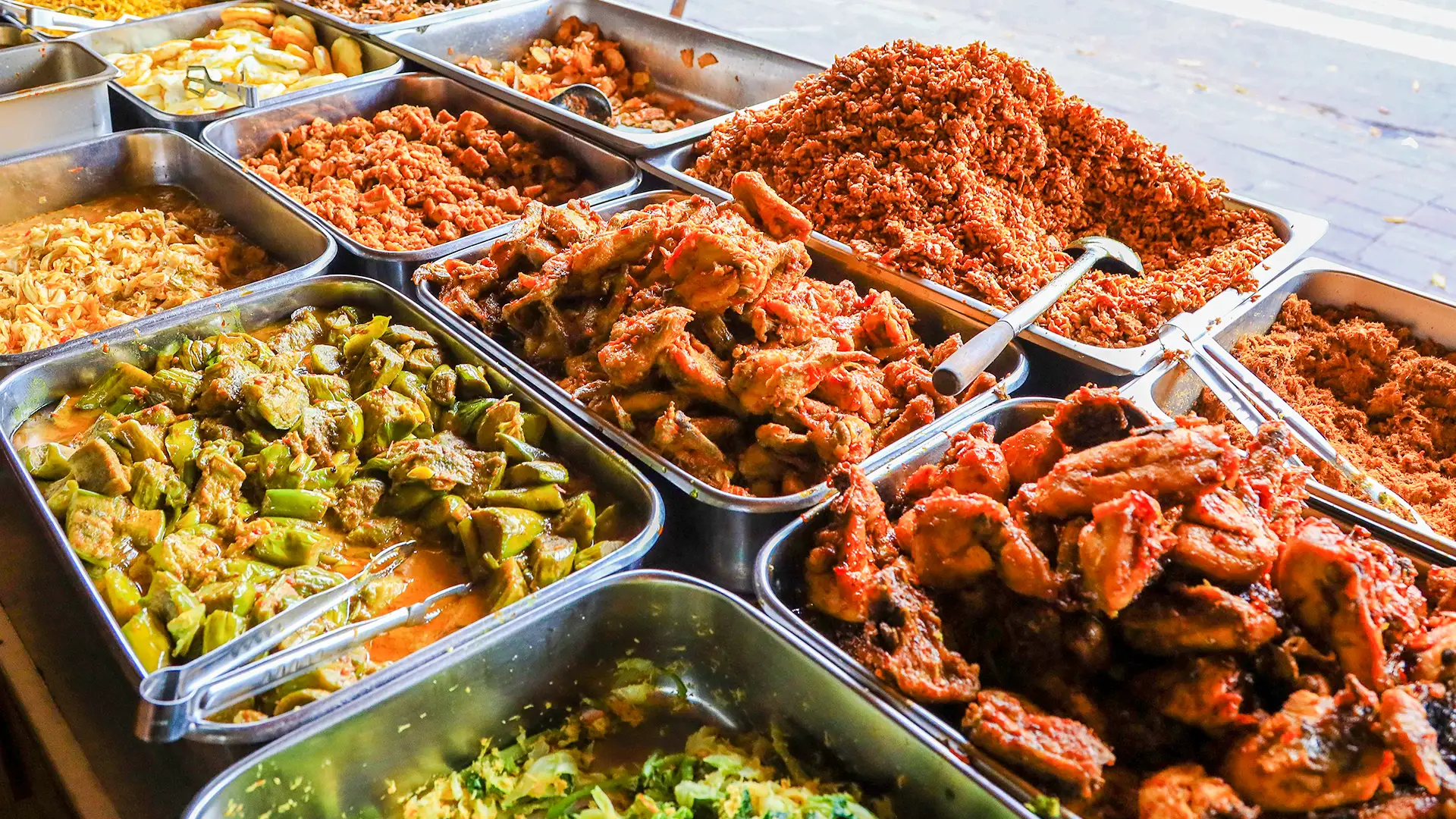
In Marrakech, the souks provide a sensory introduction to Moroccan food and commerce. In Addis Ababa, markets and cafés can become an entry point into Ethiopia’s distinctive food and coffee culture. In Nairobi, Kampala, Accra, Dakar and Lagos, markets reveal the scale and diversity of urban food systems.
A market is not merely a place for tourists to photograph colourful produce. It is a working environment where farmers, traders, transporters, cooks and consumers interact. The products available can reveal the season, local agriculture and changing consumer preferences.
For travellers, a guided market experience can therefore be more valuable when it includes context. Where did these products come from? Which ones are seasonal? What do local people actually eat? Which foods are associated with celebrations? How have migration and urbanisation changed the city’s food culture?

Culinary Travel Does Not Mean Turning Everything Into a Tourist Attraction
There is a danger in the growing interest in culinary tourism. Once a food tradition becomes commercially attractive, there can be pressure to simplify it, package it or perform it for visitors.
A good culinary experience should avoid treating local people as part of a tourist display.
Travellers are encouraged to ask permission before photographing people, respect religious and cultural practices and understand that not every household, market or community exists for tourism. They should also avoid assuming that one dish represents an entire country or that food prepared specifically for tourists is somehow less valuable.
Culture changes. African cities are modernising. Young chefs are experimenting with traditional ingredients. Families are combining local foods with international influences. Restaurants are developing new interpretations of established dishes.
Food Can Help Build a More Connected African Tourism Industry
One of the most interesting opportunities in African tourism is the ability to connect different experiences rather than selling them in isolation.
A traveller might begin with a wildlife safari in Uganda, continue to Kenya or Tanzania, experience Swahili coastal food in Zanzibar, explore Ethiopia’s coffee culture and eventually finish with a cultural and culinary experience in Morocco. Another traveller might combine South African food and wine with wildlife in Botswana or Zambia. Someone travelling through West Africa could build a journey around food, music, history and coastal culture.
These combinations do not have to be complicated multi-country itineraries. Even within one country, food can connect wildlife, culture, agriculture and communities.
The important principle is that Africa should be experienced as a collection of distinct places that can also be connected through broader themes.
Gastronomy is particularly powerful because food exists everywhere. It can connect rural and urban tourism, local producers and international visitors, culture and commerce.
UN Tourism’s recent African gastronomy initiatives have specifically emphasised stronger collaboration between producers, chefs, entrepreneurs, tourism authorities and communities, alongside education, product development, local sourcing and the protection of culinary heritage. That suggests that food tourism is being considered not merely as an additional attraction but as part of a broader tourism-development conversation across the continent.
Experience Africa Through Its Flavours
Africa’s tourism story has often been told through its wildlife, landscapes and iconic attractions, and those experiences will remain fundamental to the continent’s appeal. But there is another story waiting on the table.
It is the story of farmers and fishermen, cooks and chefs, market traders and coffee growers, grandmothers preserving recipes and young entrepreneurs reinventing them. It is the story of trade routes that connected coastlines and inland communities, of ingredients that travelled across oceans and of traditions that adapted without disappearing.
For travellers, culinary tourism offers a way to slow down and pay attention. It creates opportunities to understand places through everyday life rather than seeing them only through major attractions. It can also create stronger connections between visitors and the local businesses, producers and communities that make destinations distinctive.
The most memorable African journey may therefore not be the one where you simply see the most places. It may be the one where you understand a few places more deeply.
At Explore Africa Adventures, we see Africa as a continent to be experienced in its full diversity. That can mean tracking gorillas in Uganda, exploring Kenya’s wildlife landscapes, following the cultural and culinary heritage of Tanzania and Zanzibar, discovering Ethiopia’s coffee traditions, walking through Morocco’s historic food markets, experiencing West Africa’s vibrant cuisines or combining wildlife, culture and coastal experiences across Southern Africa. The right journey depends on the traveller, but the possibilities are far greater than a conventional safari itinerary suggests.