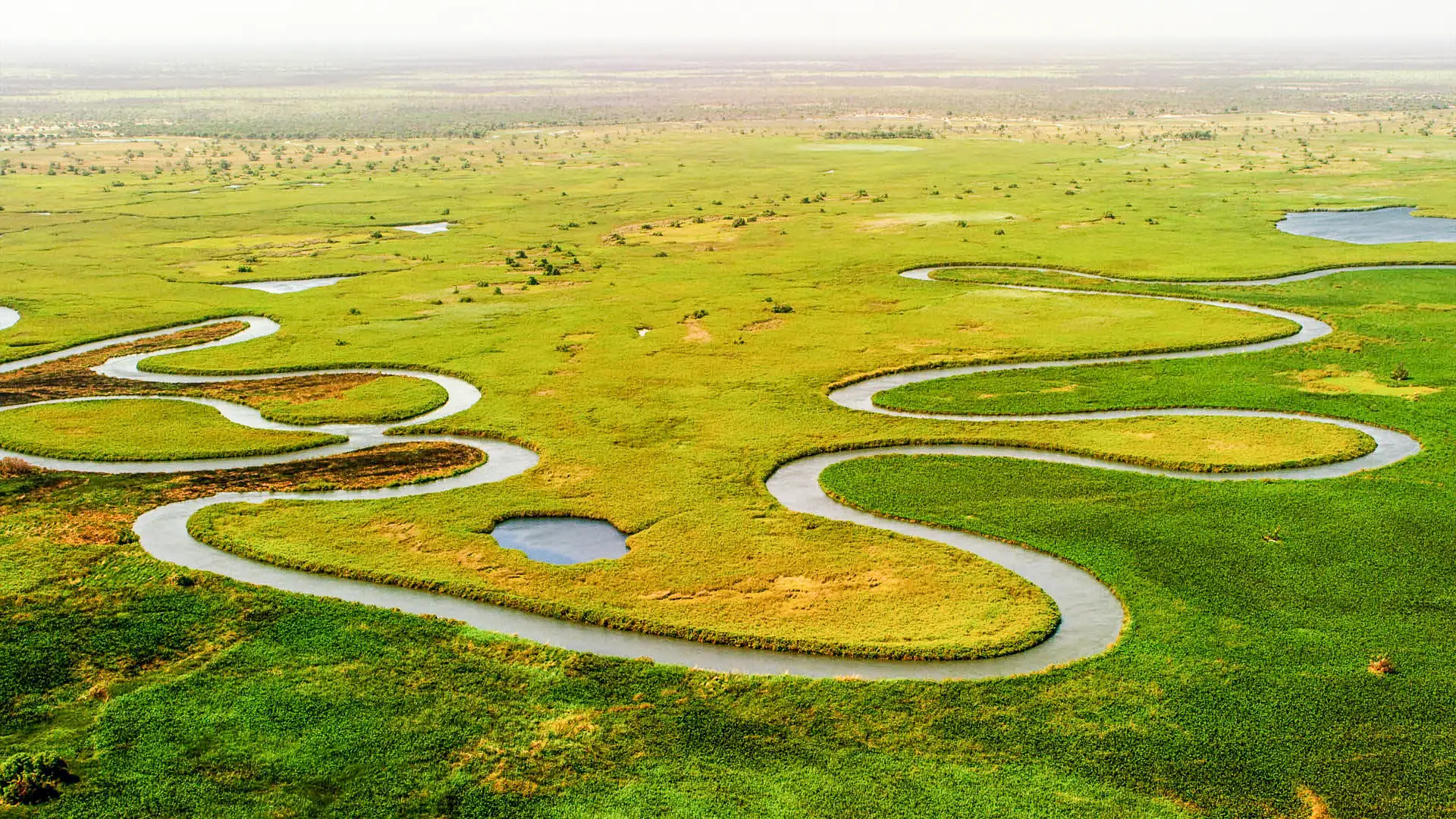

Africa’s vast wilderness, home to some of the world’s most iconic and endangered species, faces numerous challenges that threaten its biodiversity. Poaching, habitat loss, human-wildlife conflict, and climate change are pressing issues that require innovative, scalable solutions. Over the past decade, a wave of emerging wildlife conservation initiatives has transformed the continent’s approach to safeguarding its natural heritage. These initiatives blend traditional conservation methods with cutting-edge technology, community engagement, and policy reforms, creating a multi-layered strategy that is more effective and sustainable.
The Critical State of Africa’s Wildlife
Before delving into specific initiatives, it’s essential to understand the gravity of the conservation crisis. According to the World Wildlife Fund (WWF), Africa hosts approximately 60% of the world’s remaining savannahs and grasslands, which are critical habitats for species such as elephants, lions, rhinoceroses, cheetahs, and various antelope species. The continent’s elephants and rhinos, in particular, have faced catastrophic declines due to poaching driven by illegal wildlife trade primarily for ivory and rhino horn.
For example, between 2010 and 2019, Africa’s elephant populations declined by approximately 30%, with some countries experiencing even sharper declines. The poaching crisis peaked in the early 2010s but has seen some stabilization thanks to concerted conservation efforts. Nonetheless, the threat persists, especially in regions with weak enforcement or political instability.
Habitat destruction, driven by agricultural expansion, urbanization, and resource extraction, further exacerbates the crisis. It fragments ecosystems, reduces available space for wildlife, and increases human-wildlife conflicts where animals venture into human settlements, often resulting in loss of life and economic damage.
The Rise of Technological Solutions
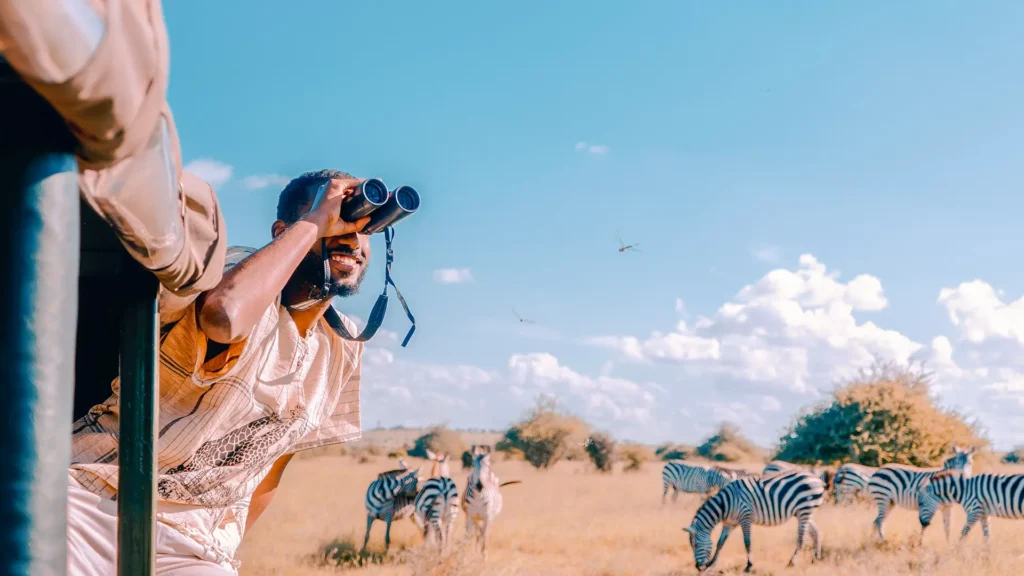
One of the most promising trends in wildlife conservation is the integration of technology particularly remote sensing, artificial intelligence (AI), and data analytics to monitor and protect species in real-time.
Drones and Aerial Surveillance: Drones equipped with high-resolution cameras and thermal imaging have revolutionized anti-poaching patrols. They can cover large and inaccessible areas quickly, providing real-time intelligence to rangers about poaching activities, illegal logging, or encroachment. For instance, the Kenya Wildlife Service has deployed drones extensively in Maasai Mara and Amboseli National Park, dramatically increasing their patrol efficiency and response times.
AI and Data Analytics: Advanced algorithms now analyze data from camera traps, GPS collars, and surveillance systems to predict poaching hotspots and animal movement patterns. Projects like the SMART (Spatial Monitoring and Reporting Tool) system, developed by the Wildlife Conservation Society (WCS), aggregate data to optimize patrol routes and resource allocation. This predictive approach allows conservationists to be proactive rather than reactive, targeting threats before they escalate.
Camera Traps and Automated Identification: Camera traps equipped with machine learning capabilities can identify individual animals based on unique markings such as the pattern of a lion’s mane or a rhino’s horn. This enables accurate population counts, health assessments, and migration tracking without intrusive human presence. Such non-invasive monitoring is vital for maintaining animal welfare and gaining reliable data for policy decisions.
Poaching Deterrence Technologies: Some initiatives involve the deployment of GPS-enabled anti-poaching devices embedded in animal collars, which alert authorities if animals enter high-risk zones or if collars are tampered with. Additionally, innovations such as holographic decoys or sound deterrents are tested to scare off poachers.
Growth of Sustainable and Eco-Friendly Safaris
As environmental awareness rises among travelers, sustainable and eco-friendly safaris are gaining popularity. Eco-lodges and camps emphasizing minimal environmental impact, local sourcing, and community engagement are leading the charge. Certification programs like Green Globe and EarthCheck serve as benchmarks, encouraging operators to meet high sustainability standards.
Research indicates that Millennials and Gen Z travelers prioritize responsible tourism. According to the Adventure Travel Trade Association (ATTA), over 70% of young travelers are willing to pay more for eco-friendly experiences. This shift influences market offerings, with eco-lodges now incorporating renewable energy, organic cuisine, and conservation education into their packages.
The environmental benefits extend beyond preservation; eco-tourism also stimulates local economies, promotes cultural exchange, and fosters a sense of stewardship among visitors. As a result, sustainable safaris are no longer niche but a core component of the industry.
Luxury Safari Experiences and Personalization
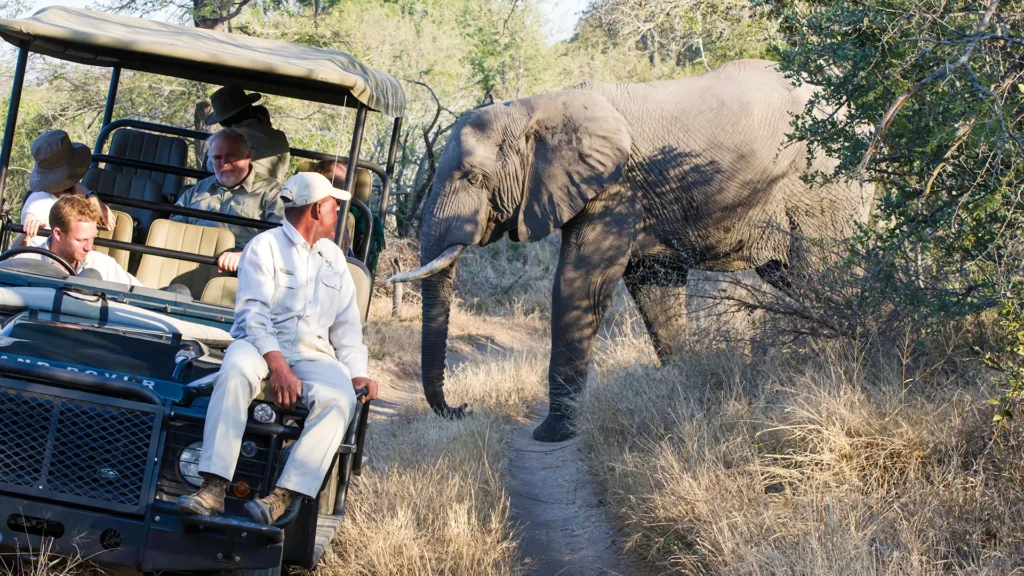
The demand for luxury safaris continues to surge, driven by affluent travelers seeking exclusivity, comfort, and authenticity. High-end lodges and private reserves offer bespoke experiences, including private guides, gourmet cuisine, and tailored wildlife encounters.
This trend reflects a broader market shift towards personalization. Travelers now prefer curated safaris that align with their interests, be it photography, birdwatching, or cultural immersion. For example, Botswana’s private concessions provide secluded, customizable safaris with luxury amenities, attracting a new demographic of high-net-worth individuals.
Furthermore, the integration of technology allows for real-time customization, ensuring travelers’ preferences are met seamlessly. This luxury sector not only boosts revenue but also promotes sustainable practices through investments in conservation and community development.
Post-Pandemic Recovery and Market Dynamics
The COVID-19 pandemic severely impacted Africa’s safari industry, leading to cancellations and economic losses. However, recent data shows a resilient recovery driven by domestic tourism, health safety protocols, and evolving traveler preferences.
Research by the African Travel & Tourism Association indicates that travelers now prioritize health, safety, and responsible travel more than ever. Many operators have adopted strict hygiene standards, contactless check-ins, and outdoor activities to reassure visitors.
Additionally, the pandemic accelerated digital engagement, with virtual safaris and online educational content becoming popular. Looking ahead, the industry is poised for sustainable growth, emphasizing flexibility, health-conscious offerings, and community involvement.
Cultural and Community-Based Tourism
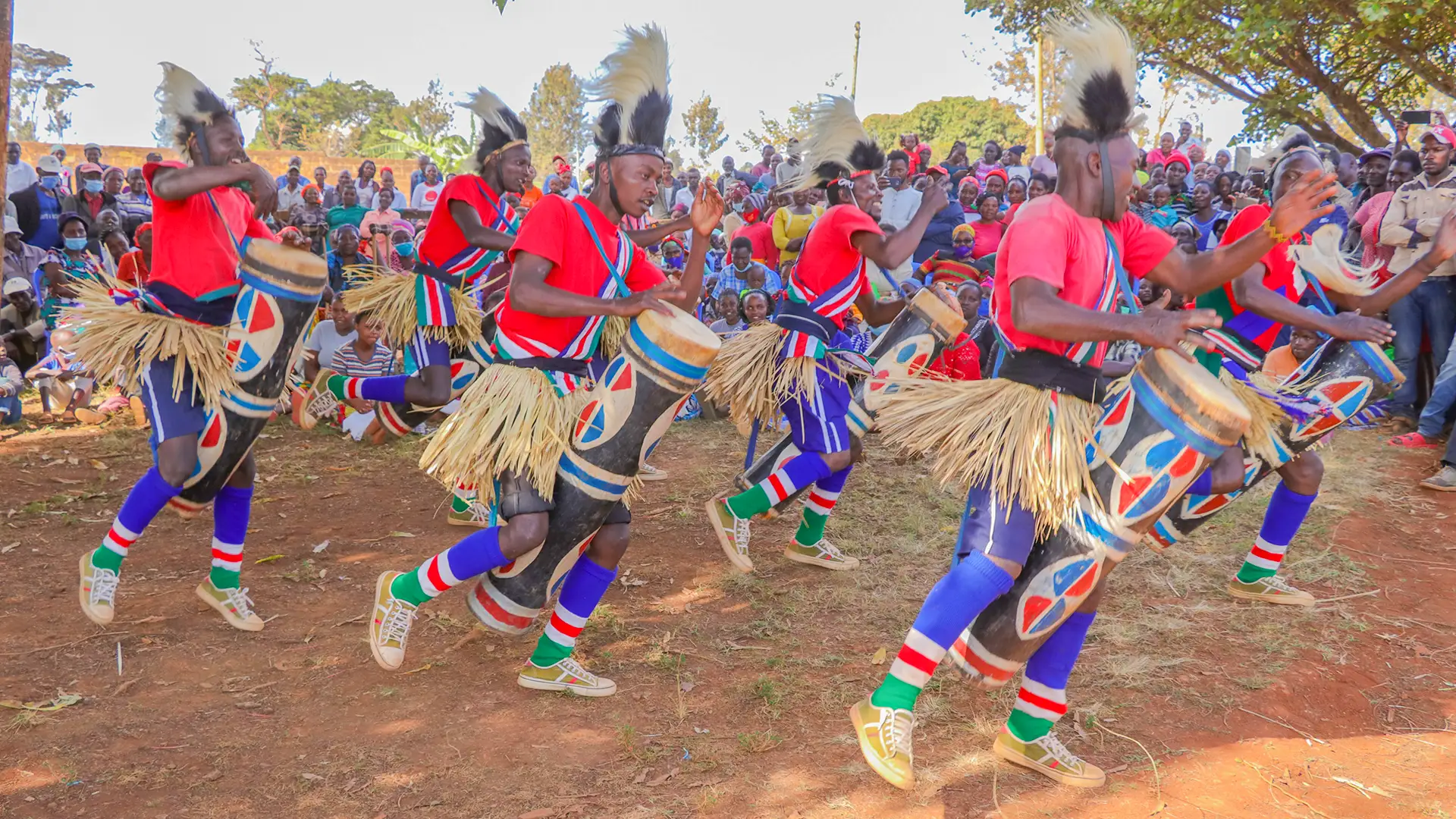
A notable trend is the shift towards community-led tourism initiatives that emphasize cultural exchange and local empowerment. Travelers increasingly seek authentic experiences that connect them with indigenous communities, traditional practices, and local narratives.
Projects like the Maasai Mara’s cultural villages in Kenya provide immersive encounters, fostering mutual respect and economic benefits. These initiatives also contribute to conservation by incentivizing locals to protect their cultural heritage and natural resources.
The integration of cultural tourism enhances the depth of safari experiences, making them more meaningful and sustainable. It also promotes social equity, ensuring that tourism benefits are distributed equitably among local populations.

Market Trends and Investment Opportunities
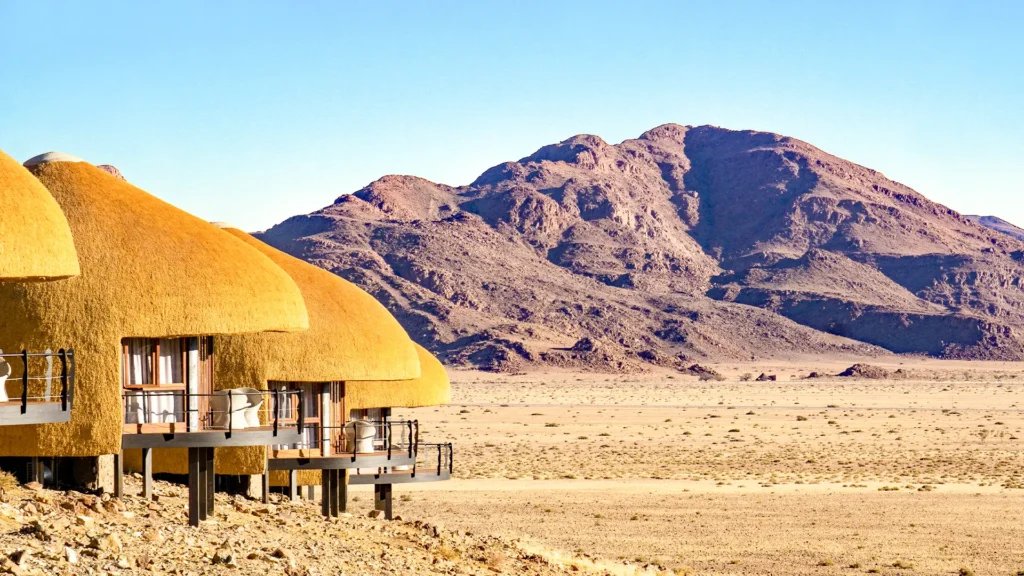
Certain destinations are emerging as hotspots for safari tourism, driven by infrastructure improvements, government incentives, and unique wildlife assets. Countries like Namibia, Zambia, and Tanzania are attracting increased investment in eco-lodges, transport networks, and conservation projects.
Investment trends show a rising interest in eco-friendly infrastructure, including solar-powered camps, eco-resorts, and community enterprises. The future outlook suggests a growing market for experiential safaris, sustainable luxury, and integrated cultural programs.
Strategic insights indicate that successful operators will be those that combine innovation, sustainability, and local partnerships to create authentic, responsible, and memorable safari experiences.
Community-Based Conservation Models
While technology plays an essential role, the importance of local communities cannot be overstated. Many of Africa’s successful conservation initiatives hinge on empowering local populations as stewards of their environment.
Namibia’s Community Conservancies: Namibia pioneered the community-based natural resource management (CBNRM) model, which grants local communities rights over wildlife resources. These communities benefit economically from tourism and sustainable hunting, creating a direct incentive to protect wildlife. Over 80% of Namibia’s land area is managed through conservancies, resulting in stable or increasing populations of elephants, lions, and black rhinos.
Kenya’s Conservancy Program: Kenya’s conservancies, especially in Maasai Mara and Laikipia, involve local Maasai and other indigenous groups in wildlife management. Revenue-sharing schemes from tourism and conservation activities have reduced poaching and human-wildlife conflicts. These models demonstrate that when local people see tangible benefits, they become active protectors rather than threats to wildlife.
Incentive-Based Conservation: Payment for Ecosystem Services (PES) schemes are gaining traction, where landowners or local communities receive financial rewards for maintaining natural habitats or preventing poaching. These approaches align economic interests with conservation goals and foster long-term sustainability.
Policy and International Cooperation
National governments and international organizations are increasingly recognizing the importance of policy frameworks that support conservation. Examples include:
- The Convention on International Trade in Endangered Species (CITES): Regulates trade in wildlife and wildlife products, including ivory and rhino horn, to curb illegal trafficking.
- The African Union’s Agenda 2063: Emphasizes sustainable development, including biodiversity conservation.
- National Legislation: Countries like South Africa, Botswana, and Tanzania have strengthened anti-poaching laws, increased penalties, and dedicated resources to enforcement.
- International cooperation has also been crucial. Initiatives such as the Great Elephant Census provided comprehensive data on elephant populations across Africa, informing targeted conservation actions. Cross-border initiatives, like the Kavango Zambezi Transfrontier Conservation Area (KAZA TFCA), foster collaboration between countries to manage shared ecosystems collectively.