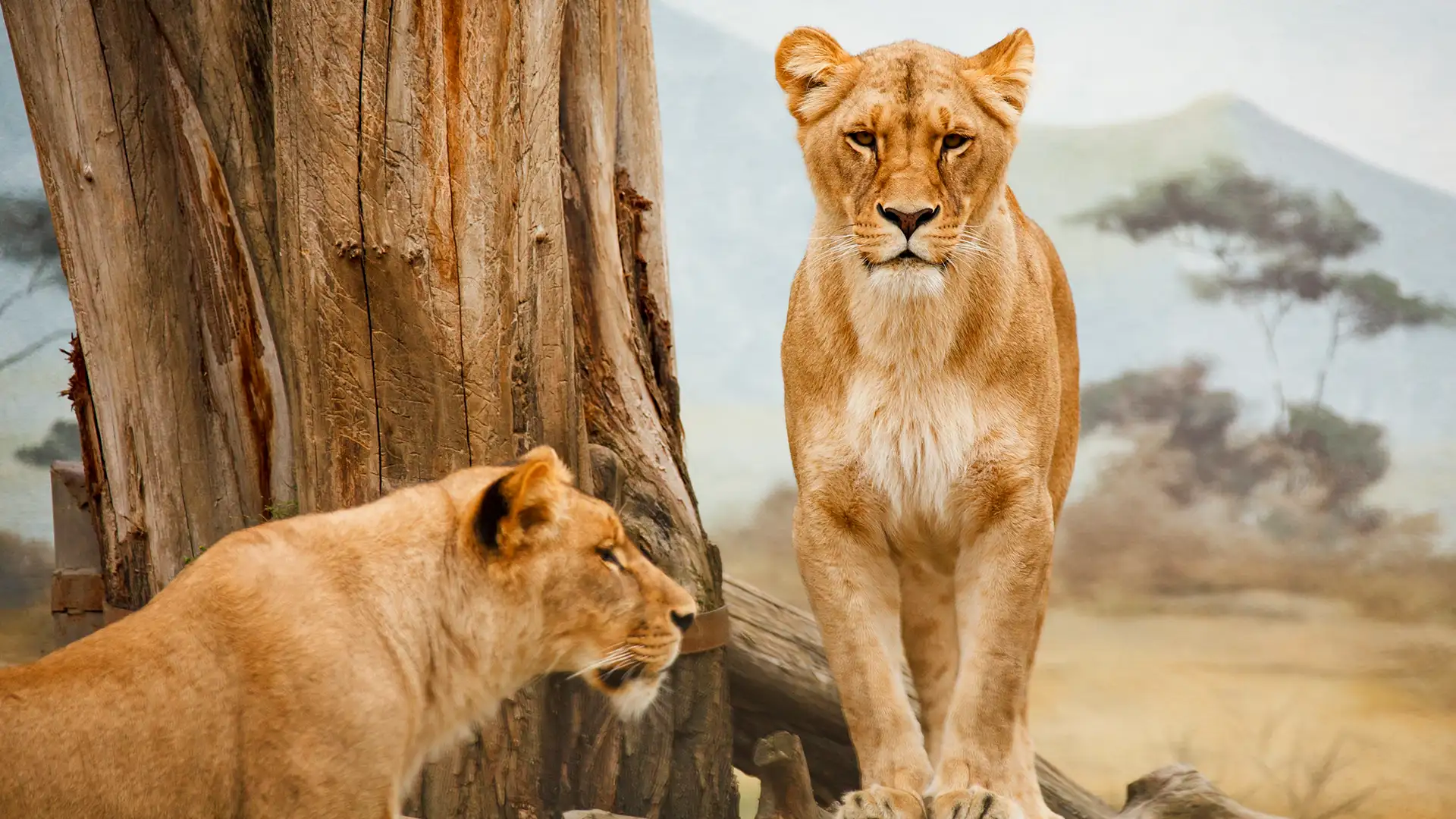
Kenya’s national parks and reserves are the backbone of the country’s rich biodiversity and tourism industry. They protect a remarkable variety of landscapes vast savannahs, dense forests, high mountains, alkaline lakes, arid regions, and coastal ecosystems. These areas conserve iconic wildlife, maintain ecological balance, support local communities, and provide unforgettable safari experiences. Managed primarily by the Kenya Wildlife Service (KWS) and local authorities, they cover a significant portion of Kenya and attract millions of visitors every year. This comprehensive guide explains all the major national parks in Kenya with detailed information on their location, size, landscapes, wildlife, best visiting times, activities, conservation status, and practical visitor tips. Each park is explained thoroughly to help you understand its unique value.
Maasai Mara National Reserve
The Maasai Mara National Reserve, situated in southwest Kenya and bordering Tanzania’s Serengeti National Park, is Kenya’s premier wildlife destination. Although classified as a national reserve rather than a strict national park, it is managed by local county authorities and serves as a vital protected area spanning approximately 1,510 square kilometers. The landscape is dominated by expansive rolling grasslands, scattered acacia and fig trees, and the Mara River with its tributaries, creating one of the most productive savannah ecosystems in Africa.
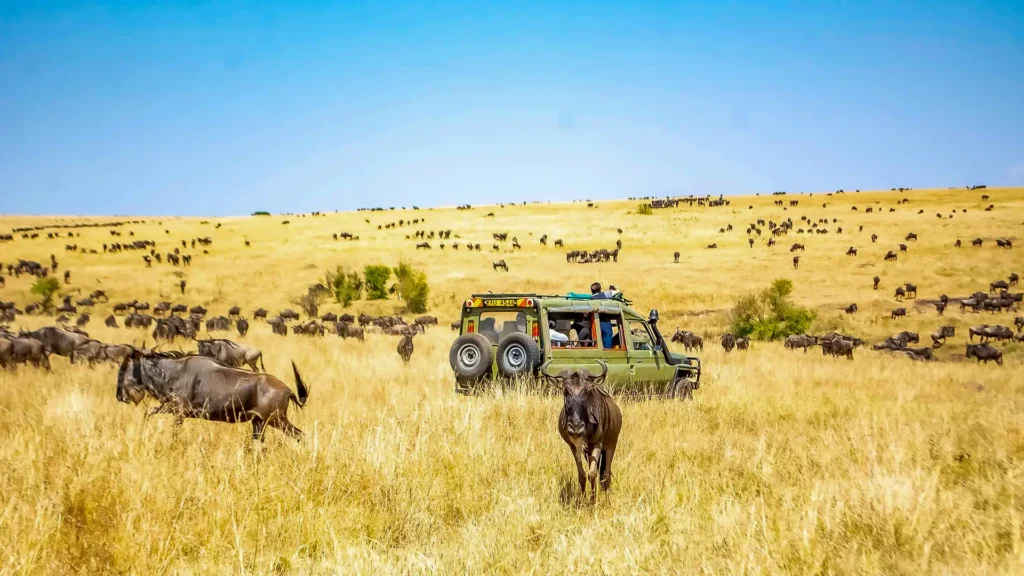
This reserve supports an extraordinary density of wildlife. It is home to the Big Five lion, leopard, elephant, buffalo, and rhino with some of the highest lion populations in Kenya. It forms the northern extension of the Great Wildebeest Migration, where over 1.5 million wildebeest and hundreds of thousands of zebras move into the Mara between July and October. The dramatic river crossings, where crocodiles wait, are among the most spectacular natural events on the planet. Resident populations of elephants, giraffes, topi, impala, hippos, and over 500 bird species thrive here year-round. The wet season attracts large numbers of migratory birds from Europe and Asia.
The best time to visit is July to October for the migration and intense predator activity, or December to March for the calving season and lush green landscapes. Dry conditions generally offer better game viewing and easier road access.
Popular activities include morning and afternoon game drives, hot air balloon safaris at sunrise (highly recommended for stunning views over the plains), guided bush walks with rangers, and cultural visits to traditional Maasai villages where visitors can learn about local customs, dances, and beadwork.
Conservation is central to the Mara’s future. Community conservancies around the reserve generate tourism revenue that benefits local Maasai people, funds education and healthcare, and helps reduce human-wildlife conflict. Challenges such as poaching, livestock grazing pressure, and climate change are addressed through partnerships between KWS, conservancies, and private operators.
Book lodges and camps well in advance during peak season. Pack neutral-colored clothing, powerful binoculars, sunscreen, hat, and insect repellent. Malaria prophylaxis is strongly advised. A minimum stay of three nights is recommended to fully experience the dynamic ecosystem. Entry fees are paid at the gates. Many successful Kenya safaris start or end in the Mara.
Amboseli National Park
Amboseli National Park lies in southern Kenya near the Tanzania border and covers 392 square kilometers. It is internationally famous for its breathtaking views of Mount Kilimanjaro, Africa’s highest mountain, which provides a dramatic backdrop to the park’s open plains, swamps, and acacia woodlands. The name “Amboseli” means “salty dust” in the Maasai language, referring to the dry lake bed that forms a prominent feature of the landscape.
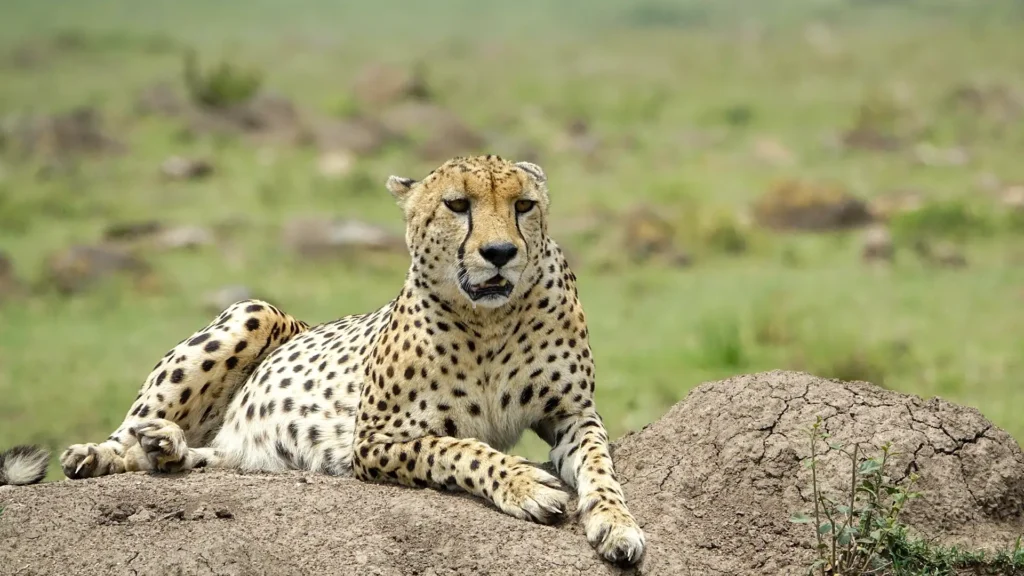
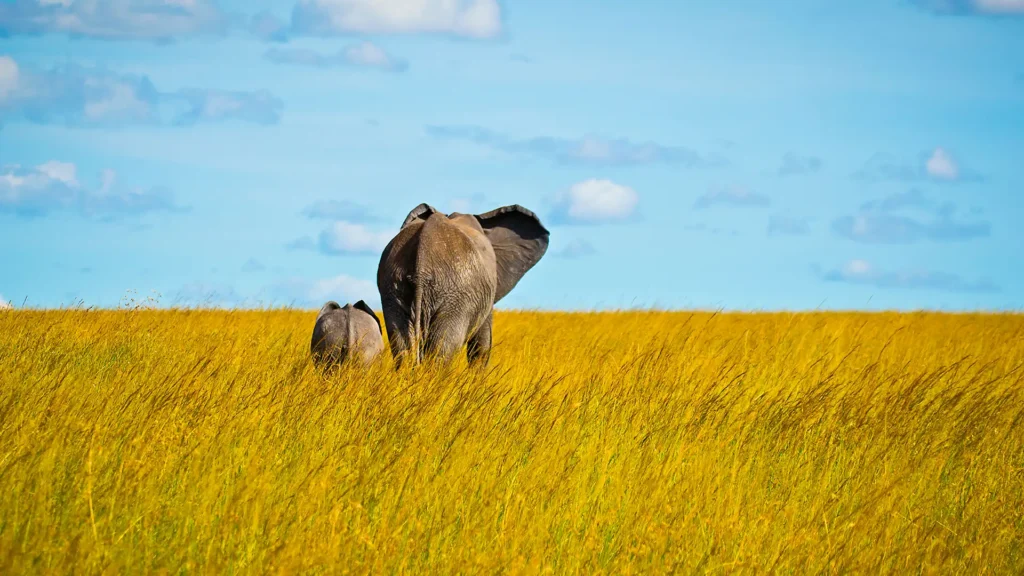
The park is particularly renowned for its large and well-studied elephant herds, offering some of the finest opportunities in Africa to observe elephant family dynamics, social interactions, and behavior at close range. Other wildlife includes lions, cheetahs, spotted hyenas, buffaloes, giraffes, zebras, and various antelopes. The swamps and wetlands support hippos, crocodiles, and a rich variety of waterbirds, with over 400 bird species recorded in total.
The best times to visit Amboseli are the dry seasons from June to October and January to February. During these periods, animals congregate around permanent water sources, making sightings more reliable, and the views of snow-capped Kilimanjaro are clearest against blue skies. Wet seasons bring beautiful green vegetation but can make some tracks challenging.
Main activities include game drives (morning and afternoon), wildlife photography (especially elephants with the mountain backdrop), nature walks, and visits to nearby Maasai communities for cultural experiences. Many visitors enjoy sundowner drinks with panoramic mountain views.
Conservation efforts in Amboseli are highly regarded globally. The park is designated a UNESCO Biosphere Reserve. Long-term scientific research here has contributed significantly to elephant conservation knowledge worldwide. Current priorities include anti-poaching measures, habitat protection, and finding sustainable ways for local communities to coexist with wildlife.
Practical visitor information: Bring a camera with good zoom lenses for photography. Choose lodges or camps with clear views of Kilimanjaro for the best experience. The park is relatively compact and can be thoroughly explored in 2 to 3 days. It combines beautifully with Tsavo National Parks or beach destinations. Sun protection is essential due to the open terrain, and malaria precautions should be taken.
Tsavo East and Tsavo West National Parks
Tsavo East and Tsavo West National Parks together constitute one of the largest protected area complexes in Kenya, spanning over 20,000 square kilometers. Tsavo East (approximately 13,747 km²) features open red-soil plains, baobab trees, and the Galana River. Tsavo West (approximately 7,065 km²) is more rugged with rocky hills, lava flows, and denser vegetation. These parks were established in the 1940s and are Kenya’s oldest national parks.
Wildlife includes the iconic “red elephants” coated in Tsavo’s red dust, lions (including some maneless individuals), leopards, cheetahs, black rhinos in sanctuaries, buffaloes, giraffes, and a wide variety of antelopes. The parks are known for their remote wilderness atmosphere and lower visitor density compared to the Mara.
The best time to visit is during the dry seasons (June–October and January–March) when animals gather at waterholes and roads are more accessible. Activities include extended game drives, visits to Mzima Springs (clear water with hippos and fish), and hiking in Tsavo West.
Conservation history includes the famous “Man-eaters of Tsavo” episode from the late 19th century. Modern efforts focus on anti-poaching, elephant protection, and maintaining wildlife corridors. The parks face challenges from their massive size and surrounding human activities.
Lake Nakuru National Park
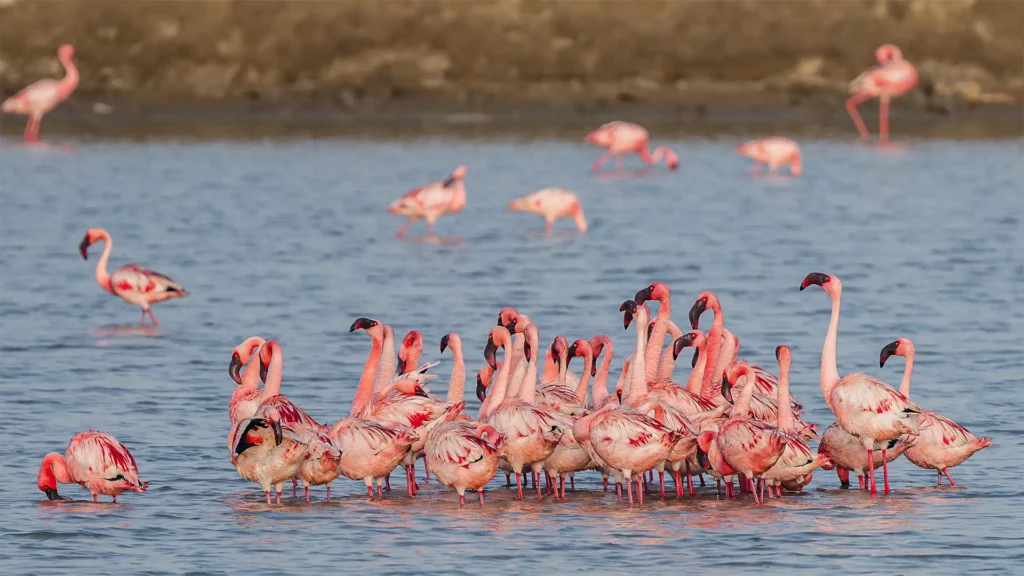
Lake Nakuru National Park is located in the heart of Kenya’s Rift Valley, approximately 140 kilometers northwest of Nairobi. It covers an area of about 188 square kilometers and is centered around the shallow alkaline Lake Nakuru. The park was established in 1961 primarily to protect the lake and its famous flamingo populations. The landscape features the shimmering lake, surrounding grasslands, acacia and yellow fever tree forests, and rocky cliffs that provide excellent viewpoints.
The park is world-renowned for its enormous flocks of lesser flamingos, which can number over a million birds at peak times, turning the lake pink. It is also an important sanctuary for both black and white rhinos, with strong conservation programs that have helped increase rhino numbers. Other wildlife includes Rothschild’s giraffes, lions, leopards, hyenas, buffaloes, zebras, and various antelopes. Over 450 bird species have been recorded, making it one of Kenya’s top birding destinations.
The best time to visit Lake Nakuru is during the dry seasons (June to October and December to February), when water levels are lower and flamingo concentrations are highest. Wildlife viewing is generally good year-round, but dry periods make animals more visible as they come to the lake for water.
Popular activities include game drives along the lakeshore and through the woodlands, bird watching (especially for flamingos, pelicans, and eagles), hiking on the cliffs for panoramic views, and boat excursions when water levels permit. Some lodges offer night game drives, which increase chances of seeing nocturnal animals like leopards.
Conservation plays a vital role here. The park has been central to rhino breeding and reintroduction programs in Kenya. It is also a Ramsar Site (Wetland of International Importance). Challenges include fluctuating lake levels due to climate change and water abstraction, as well as pollution from surrounding agricultural activities. Ongoing efforts by KWS and partners focus on water management and habitat restoration.
The park is easily accessible from Nairobi by road (about 2.5–3 hours). It is ideal for 1 to 2 day visits and combines well with Lake Naivasha or Maasai Mara. Bring binoculars and a good camera for bird photography. Entry fees are charged at the gate. Accommodation ranges from luxury lodges to budget camps. Malaria precautions are recommended, and sun protection is important due to the open areas around the lake.
Nairobi National Park
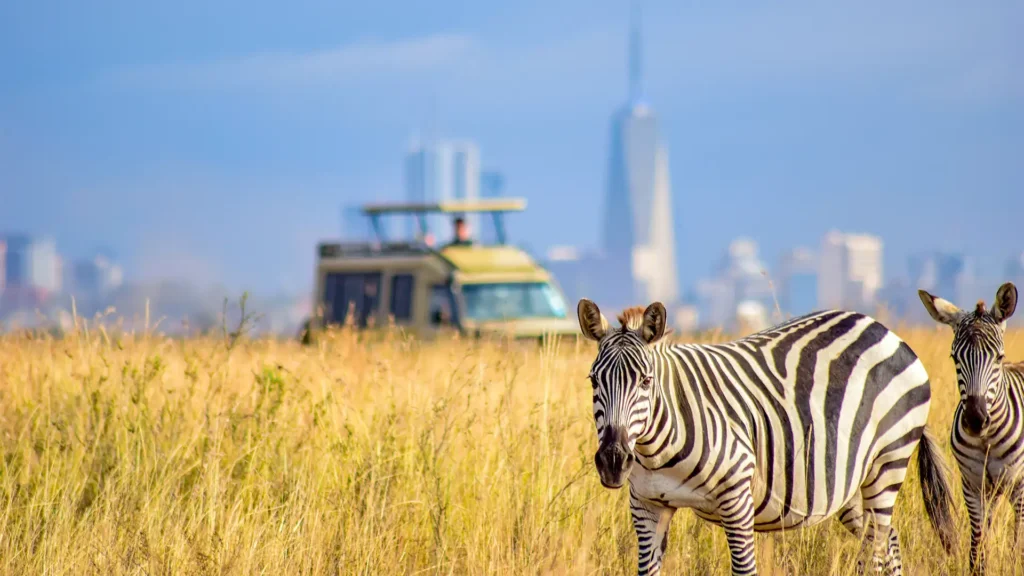
Nairobi National Park, established in 1946, is Kenya’s first national park and one of the few wildlife areas located within a major city. It lies just 7 kilometers south of Nairobi’s central business district and covers 117 square kilometers. The park offers a unique “wildlife in the city” experience, with the modern skyline of Nairobi visible in the background from many viewpoints. The landscape includes open grass plains, acacia woodlands, rocky gorges, and the Athi River.
Despite its small size and proximity to urban areas, the park supports a surprising variety of wildlife. It is home to black rhinos, lions, leopards, cheetahs, hyenas, buffaloes, giraffes, zebras, and many antelope species. The park is particularly good for seeing rhinos. Over 400 bird species have been recorded.
Because it is so close to the city, the park can be visited year-round. However, dry seasons generally offer better wildlife viewing as animals concentrate near water sources.
Activities include morning and afternoon game drives, walking trails (in designated areas), and visits to the David Sheldrick Wildlife Trust elephant orphanage, which is adjacent to the park. The park is perfect for visitors with limited time or those arriving/departing from Nairobi.
Conservation efforts focus on protecting the park from urban encroachment and maintaining it as a green lung for the city. It serves as an important corridor for wildlife moving between the city and larger ecosystems to the south.
The park is very accessible and can be visited as a half-day or full-day trip from Nairobi hotels. Entry fees apply. It is an excellent introduction to Kenyan wildlife for first-time visitors. Combine it with a city tour or flight to other parks.
Meru National Park
Meru National Park is located in central eastern Kenya, approximately 350 kilometers from Nairobi. It covers 1,810 square kilometers and is often described as one of Kenya’s most beautiful and least visited parks. The landscape is lush and varied, with rivers, swamps, tall grasslands, and doum palms. It was made famous by the book and film “Born Free,” which told the story of Elsa the lioness.
Wildlife includes elephants, lions, leopards, cheetahs, buffaloes, and rare antelopes. The park is known for its excellent birdlife and peaceful atmosphere.
Best time to visit is during the dry seasons when roads are passable and wildlife gathers near rivers. Activities include game drives, walking safaris, and fishing in some areas.
Conservation focuses on protecting the park’s pristine environment. It offers a true wilderness experience away from crowds.
Aberdare National Park
Aberdare National Park is located in central Kenya, about 150 kilometers north of Nairobi, within the Aberdare Mountain Range. It covers approximately 767 square kilometers and rises to elevations of over 4,000 meters. The park features dramatic landscapes including dense bamboo and montane forests, moorlands, waterfalls, and deep gorges. Rainfall is high, creating a lush, green environment that contrasts with the drier savannah parks. The Aberdare Range is part of the Kenyan highlands and forms an important water catchment area for rivers that feed into the Rift Valley and support agriculture downstream.
Wildlife in the Aberdares is diverse and includes forest-adapted species. Elephants, buffaloes, and black rhinos are present, though the dense vegetation can make sightings more challenging than in open plains. The park is one of the best places in Kenya to see the rare bongo antelope, a large forest-dwelling antelope with distinctive white stripes. Other animals include giant forest hogs, bushbucks, colobus monkeys, and the elusive Aberdare leopard. Birdlife is rich, with species such as the Jackson’s francolin and various sunbirds.
The best time to visit is during the dry seasons (January to March and July to September), when roads are more passable and wildlife is easier to spot near water sources. The park experiences two rainy seasons, which can make some tracks impassable.
Popular activities include game drives (often using 4×4 vehicles), hiking to waterfalls such as the famous Thomson’s Falls, and staying at famous tree hotels like Treetops or The Ark, where visitors can watch animals visiting salt licks and waterholes at night from elevated platforms. These lodges offer a unique, immersive experience.
Conservation is a priority in the Aberdares. The park protects critical water sources and endangered species like the bongo. Challenges include poaching and pressure from surrounding human settlements. Community involvement and fencing projects have helped reduce human-wildlife conflict.
Practical visitor information: Due to the high altitude, visitors should be prepared for cooler temperatures and possible rain. Warm clothing is essential. The park is best visited as part of a central Kenya itinerary that can include Mount Kenya or Lake Nakuru. Entry fees are charged, and accommodation ranges from luxury tree hotels to basic campsites. A stay of at least two nights is recommended to fully appreciate the unique highland environment.
Mount Kenya National Park
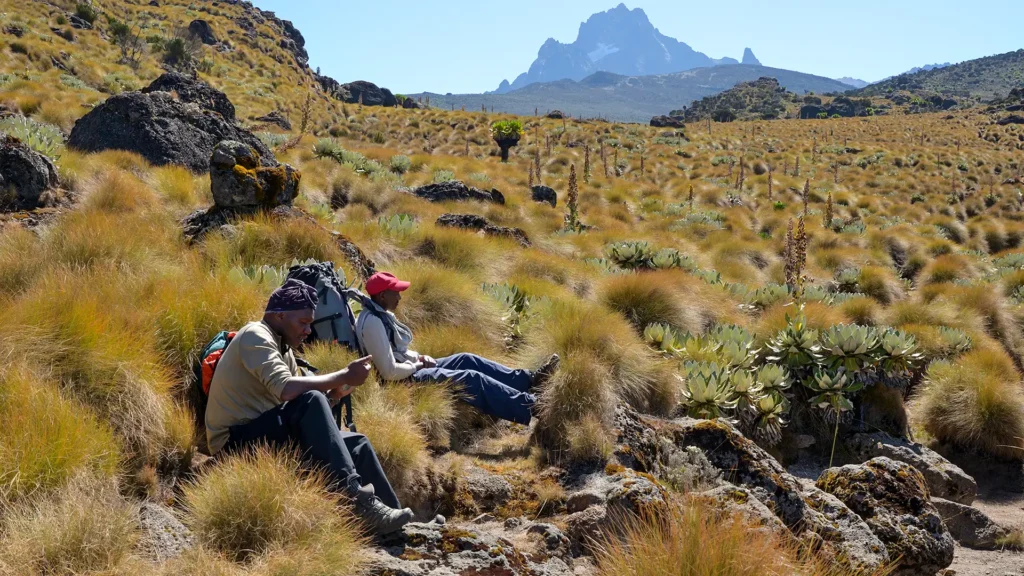
Mount Kenya National Park and Reserve surrounds Mount Kenya, Africa’s second-highest mountain at 5,199 meters. The park covers approximately 715 square kilometers and was declared a UNESCO World Heritage Site and Biosphere Reserve. The landscape transitions from dense forests at lower elevations to bamboo zones, alpine meadows, and rocky glacial peaks at higher altitudes. It is a vital water tower for Kenya, feeding several major rivers.
Wildlife varies by altitude. Lower slopes support elephants, buffaloes, black rhinos, and various monkeys. Higher areas host specialized species such as the Mount Kenya rock hyrax and sunbirds. The park is also important for birdlife and plant diversity, including many endemic species.
The best time to visit for hiking is during the dry seasons (January to March and July to September). Wildlife viewing is possible year-round in the lower areas.
Activities include mountain climbing and trekking (with several routes to the summit), nature walks, and game viewing in the lower zones. Several lodges and camps offer comfortable bases for exploration.
Conservation focuses on protecting the mountain’s unique biodiversity and water resources. The park faces threats from climate change (receding glaciers) and illegal logging. Community programs help balance conservation with local needs.
Practical visitor information: Proper hiking gear and acclimatization are essential for summit attempts. For non-climbers, lower slopes offer excellent experiences. Combine with Aberdare or central Kenya parks.
Samburu National Reserve
Samburu National Reserve is located in northern Kenya, about 350 kilometers from Nairobi. It covers approximately 165 square kilometers and is managed by the Samburu County Council. The landscape is arid and dramatic, with the Ewaso Nyiro River providing a lifeline through the dry terrain. Red rock outcrops, acacia trees, and doum palms characterize the area.
The reserve is famous for its unique “northern five” species: reticulated giraffe, Grevy’s zebra, Somali ostrich, Beisa oryx, and gerenuk. Elephants, lions, leopards, and cheetahs are also present. The river supports crocodiles and birdlife.
Best time to visit is during the dry seasons when animals concentrate near the river. Activities include game drives and cultural visits to Samburu communities.
Conservation involves community benefits from tourism. The arid environment makes it a special destination for specialist wildlife enthusiasts.
Hell’s Gate National Park
Hell’s Gate National Park is located in the southern part of Kenya’s Rift Valley, near Lake Naivasha, approximately 90 kilometers from Nairobi. It covers about 68 square kilometers and is one of the few national parks in Kenya where visitors can walk or cycle freely among wildlife. The park is famous for its dramatic volcanic landscape featuring sheer cliffs, gorges, basalt columns, and geothermal features such as steam vents and hot springs. It was named after a narrow gorge that resembles the gates of hell. The landscape includes open grasslands, acacia woodlands, and the Hell’s Gate Gorge, which offers excellent hiking opportunities.
Wildlife in Hell’s Gate is diverse but generally less dense than in larger savannah parks. Common animals include zebras, giraffes, buffaloes, hartebeests, elands, and Thomson’s gazelles. Predators such as lions and leopards are present but less frequently seen. The park is also home to a variety of birds, including vultures, eagles, and waterfowl near the geothermal areas.
The best time to visit is during the dry seasons (June to October and December to February), when the weather is pleasant for hiking and cycling and wildlife is easier to spot. The park is accessible year-round, but rains can make some trails slippery.
Popular activities include game drives, hiking through the gorge, cycling safaris (one of the highlights), rock climbing, and visiting the geothermal spa at the end of the gorge. Unlike most other Kenyan parks, visitors are allowed to explore on foot or by bicycle in designated areas, providing a more intimate wildlife experience.
Conservation efforts in Hell’s Gate focus on geothermal energy development alongside wildlife protection. The park serves as an important buffer zone for the larger Rift Valley ecosystem and supports local tourism. Challenges include balancing energy projects with environmental preservation.
The park is easily accessible from Naivasha town and makes an excellent day trip from Nairobi. Entry fees are charged. Bring sturdy walking shoes, water, sunscreen, and a hat. Cycling or walking gives a unique perspective not possible in vehicle-only parks. It combines well with Lake Naivasha for bird watching and boat rides. Accommodation is available in nearby lodges and camps.
Shimba Hills National Reserve
Shimba Hills National Reserve is located in coastal Kenya, about 30 kilometers south of Mombasa. It covers 192 square kilometers and sits on a plateau rising 300 meters above the surrounding coastal plain. The landscape features rolling hills covered in lush tropical vegetation, dense forests, and open grasslands. Several rivers and waterfalls, including the famous Sheldrick Falls, add to the scenic beauty. The reserve offers stunning views of the Indian Ocean from its higher points.
The reserve is particularly known for its population of sable antelopes, one of the rarest and most beautiful antelope species in Kenya. Other wildlife includes elephants, buffaloes, giraffes, leopards, and a variety of monkeys. Birdlife is rich due to the coastal location.
The best time to visit is during the dry seasons (June to October and January to March). Activities include game drives, hiking to Sheldrick Falls, and enjoying viewpoints.
Conservation focuses on protecting the unique coastal forest ecosystem and the sable antelope population. The reserve serves as an important link between coastal and inland habitats.
Practical visitor information: Easy access from Mombasa and Diani Beach makes it ideal for beach-safari combinations.
Marine National Parks (Kisite-Mpunguti, Malindi-Watamu, etc.)
Kenya has several marine national parks along its coast, including Kisite-Mpunguti Marine National Park near the Tanzanian border. These protect coral reefs, mangroves, seagrass beds, and marine life such as dolphins, turtles, fish, and whale sharks. Best for snorkeling and diving during calmer seas (November to March). Conservation is critical for protecting endangered marine species.
Kora National Park
Kora National Park is located in eastern Kenya, approximately 280 kilometers northeast of Nairobi. It covers about 2,070 square kilometers and is one of the more remote and less visited parks in the country. The landscape is rugged and dramatic, characterized by granite inselbergs (rock outcrops), thorny acacia bushland, and the Tana River, which forms the northern boundary. The park was made famous by the conservationist George Adamson, who lived and worked here with lions. The terrain is challenging, with limited road infrastructure, giving visitors a true sense of untouched wilderness.
Wildlife in Kora includes elephants, lions, leopards, cheetahs, buffaloes, and various antelopes. The park is known for its healthy predator populations and large crocodiles in the Tana River. Birdlife is diverse, especially along the riverine areas.
The best time to visit is during the dry seasons (June to October and January to March), when the weather is better and animals are more concentrated near the river. Access can be difficult during rains.
Activities are mainly game drives (requiring sturdy 4×4 vehicles), camping, and river-based exploration. Due to its remoteness, visits are usually part of specialized safari itineraries.
Conservation history is tied to George Adamson’s work rehabilitating lions. The park faces challenges from poaching and limited infrastructure, but efforts are underway to improve protection and tourism. It serves as an important corridor for wildlife movement in eastern Kenya.
This park is for adventurous travelers. Book with experienced operators who know the area well. Basic camping or mobile tented camps are the main accommodation options. Combine with Meru National Park for a remote eastern Kenya experience.
Marsabit National Park
Marsabit National Park is situated in northern Kenya, around the Marsabit Mountain and its crater lakes. It covers 1,554 square kilometers and features a unique highland environment in an otherwise arid region. The landscape includes dense forests, crater lakes, and open grasslands on the mountain slopes. The park is known for its scenic beauty and relative isolation.
Wildlife includes elephants (famous for large tusks in the past), greater kudu, reticulated giraffes, and a variety of birds around the lakes. The park is an important refuge in the dry northern region.
Best time to visit is during the dry seasons. Activities include game drives and visits to crater lakes.
Conservation focuses on protecting the mountain ecosystem and its elephants. Challenges include poaching and climate variability.
Practical information: Very remote requires proper planning and experienced guides.