Uganda is renowned for its breathtaking landscapes, rich biodiversity, and vibrant cultures. Its extensive network of national parks plays a crucial role in conserving the country’s natural heritage, supporting tourism, and safeguarding endangered species. These parks are not only vital for ecological balance but also serve as gateways for travelers seeking adventure and wildlife encounters. In this article, “Uganda National Parks Explained,” we explore each of Uganda’s major parks, providing detailed insights into their unique features, wildlife, ecological importance, and what makes them exceptional destinations.
Bwindi Impenetrable National Park
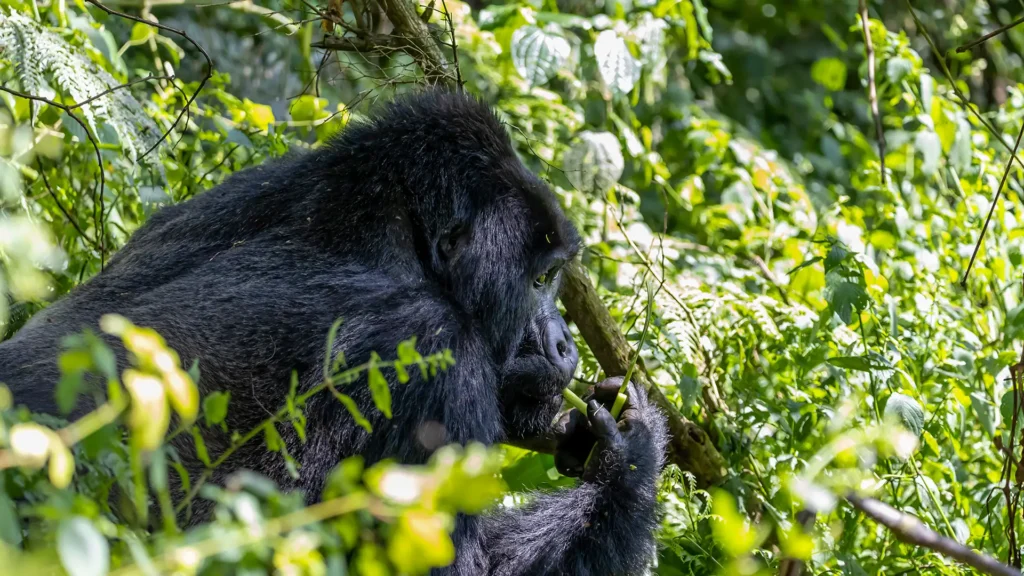
Nestled in southwestern Uganda, Bwindi Impenetrable National Park is one of the most biologically diverse rainforests in Africa, covering approximately 321 square kilometers. It was designated a UNESCO World Heritage Site due to its ecological significance and the critical role it plays in the conservation of mountain gorillas. Bwindi is home to nearly half of the world’s remaining mountain gorillas, making it a premier destination for gorilla trekking.
The park’s dense, mist-laden forests are characterized by steep ridges, deep valleys, and a variety of microhabitats that support a rich array of flora and fauna. Visitors embarking on gorilla treks spend hours hiking through thick undergrowth and rugged terrain, guided by experienced rangers who help locate habituated gorilla families. Once found, visitors have an intimate, unforgettable encounter with these gentle primates, learning about their behaviors, social structures, and the efforts to protect them from threats such as poaching and habitat loss.
Beyond gorillas, Bwindi hosts other primates like chimpanzees, colobus monkeys, and baboons. The park also supports over 350 bird species, including endemics like the African green broadbill and the Shelley’s crimson-wing. Its plant life comprises rare orchids, ferns, and giant trees, adding to its ecological richness.
The local Batwa pygmies have lived in harmony with the forest for centuries and now participate in community-based tourism initiatives, sharing their cultural heritage with visitors. Bwindi’s conservation success and community involvement serve as a model for sustainable tourism and ecological preservation.
In summary, Bwindi Impenetrable National Park is a critical sanctuary for mountain gorillas and biodiversity. Its rugged terrain, unique ecosystems, and cultural significance make it a must-visit destination for nature lovers and conservationists alike.
Queen Elizabeth National Park
Situated in western Uganda, Queen Elizabeth National Park is one of the country’s most popular and biologically diverse protected areas. Covering approximately 1,978 square kilometers, the park features a mosaic of ecosystems including savannah plains, dense forests, wetlands, and volcanic crater lakes—that support an impressive array of wildlife.
Established in 1952, Queen Elizabeth is renowned for its abundant wildlife and scenic beauty. The park boasts over 600 bird species, including the African fish eagle, shoebill stork, and kingfishers, making it a paradise for birdwatchers. Mammals are equally diverse, with large populations of elephants, buffalo, Uganda kob, topi, and waterbuck. Predators such as lions, leopards, and hyenas roam the plains, creating exciting game-viewing opportunities.
A highlight of visiting Queen Elizabeth is the Kazinga Channel, a natural waterway connecting Lake Edward and Lake George. Boat safaris along the channel provide close-up views of hippos, crocodiles, and waterbirds, while offering a tranquil setting to observe wildlife congregations around the water sources. The channel also attracts elephants and buffalo, which come to drink and bathe.
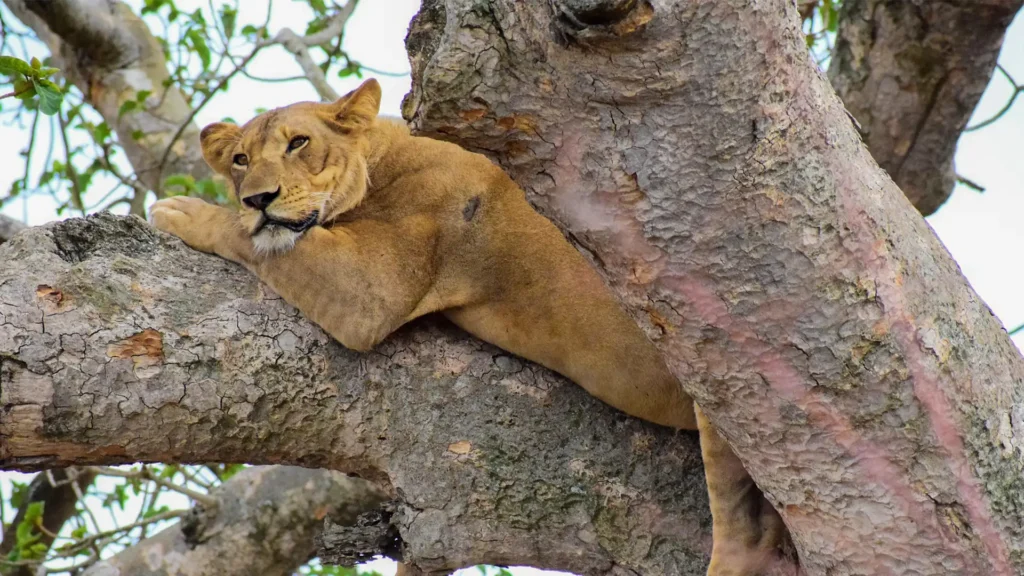
The park’s diverse habitats support the famous tree-climbing lions of Ishasha, located in the southern part of the park. These lions often rest on tree branches during the heat of the day, providing spectacular photographic opportunities. Visitors can also explore the Kyambura Gorge, where chimpanzee tracking offers a rewarding primate experience amid lush rainforest.
Cultural tourism is an integral part of a visit to Queen Elizabeth. Nearby communities, including the Batwa pygmies, share their traditional customs, dances, and crafts, enriching visitors’ understanding of local cultures.
Overall, Queen Elizabeth National Park exemplifies Uganda’s ecological richness, offering exceptional wildlife encounters, scenic landscapes, and cultural interactions. Its accessibility and variety of activities make it a flagship destination for both adventure and eco-tourism.
Murchison Falls National Park
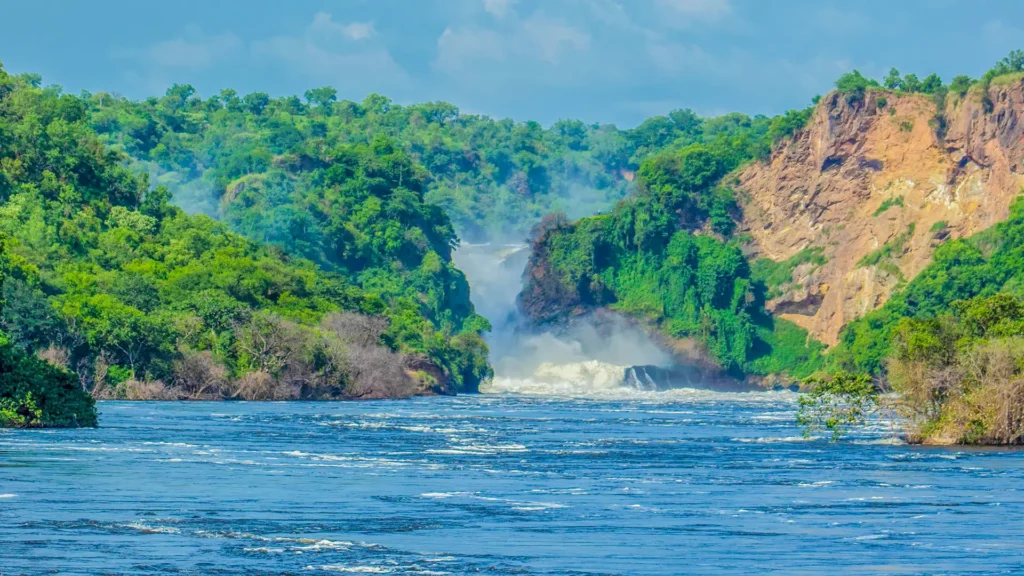
As Uganda’s largest protected area, Murchison Falls National Park spans approximately 3,900 square kilometers in the northwestern part of the country. It is renowned for its dramatic landscapes, the mighty Nile River, and the spectacular Murchison Falls, where the river’s waters thunder through a narrow gap before plunging into a frothy pool below.
The park’s diverse ecosystems include savannah plains, riverine forests, woodlands, and wetlands, supporting a wide range of wildlife. Murchison Falls is home to over 450 bird species, including kingfishers, herons, fish eagles, and rare species like the shoebill stork. The aquatic habitats are teeming with Nile crocodiles, hippos, and numerous fish species.
A major highlight is the boat safari to the base of Murchison Falls, which offers visitors an awe-inspiring view of the powerful waterfall and opportunities to see crocodiles, hippos, and waterbirds. Game drives through the park’s grasslands and forests reveal large herds of elephants, giraffes, lions, leopards, hyenas, and cheetahs. The park’s wildlife corridors facilitate migration and breeding, ensuring the health of its ecosystems.
The Rwenzori Mountains form a stunning backdrop to the park, and guided hikes in the mountains provide scenic vistas, waterfalls, and alpine flora. Conservation projects focus on protecting endangered species like the Rothschild’s giraffe and the shoebill stork, highlighting the park’s ecological importance.
Murchison Falls also holds cultural significance for local communities, who participate in tourism activities and benefit from conservation efforts. Its combination of natural beauty, abundant wildlife, and adventure opportunities makes it a cornerstone of Uganda’s national park system.
Kibale Forest National Park
Located in western Uganda, Kibale Forest National Park covers 766 square kilometers and is renowned as a primate sanctuary and biodiversity hotspot. Often called the primate capital of East Africa, Kibale supports one of the highest densities of primates on the continent, including approximately 1,500 chimpanzees, making it a premier destination for chimpanzee tracking.
The lush, tropical rainforest is characterized by towering trees, dense undergrowth, and a network of forest trails that lead visitors into the habitat of primates and other wildlife. Guided treks allow visitors to observe chimpanzees in their natural environment, sometimes at very close quarters, providing a unique opportunity to learn about their social behaviors, communication, and conservation challenges.
Kibale’s birdlife is equally impressive, with over 370 species recorded, including Congo endemics, hornbills, kingfishers, and the rare Nahan’s Francolin. The park’s diverse flora supports rare orchids, ferns, and medicinal plants, contributing to its ecological importance.
Beyond primates, Kibale is home to monkeys such as colobus, red-tailed, and vervet monkeys, as well as forest elephants, buffalo, and a variety of reptiles and amphibians. Community tourism initiatives involve local residents in guiding, crafts, and cultural performances, fostering sustainable development.
Research and conservation efforts in Kibale have contributed significantly to primate protection and ecological understanding. The park’s accessibility, combined with its rich biodiversity, makes it a top destination for eco-tourists and wildlife enthusiasts.
Mgahinga Gorilla National Park
Part of the larger Virunga Conservation Area, Mgahinga Gorilla National Park is a small but ecologically significant park in southwestern Uganda, covering just 34 square kilometers. Its volcanic landscape includes three prominent peaks: Mount Muhabura, Mount Gahinga, and Mount Sabyinyo, offering stunning scenery and a range of outdoor activities.
Mgahinga is home to around 100 mountain gorillas, and gorilla trekking is the main attraction here. The park’s rugged terrain and volcanic environment support diverse flora and fauna, including rare Albertine Rift endemics and bird species such as the Rwenzori turaco and the mountain buzzard.
Hiking and mountain climbing are popular activities, with trails leading to crater lakes, volcanic craters, and scenic viewpoints. The park’s caves and waterfalls add to the adventure experience. Cultural interactions with local communities, including the Batwa pygmies, provide insight into traditional ways of life and conservation challenges.
Mgahinga’s proximity to other parks in the Virunga area makes it a key part of regional conservation efforts. Its breathtaking landscapes, mountain gorillas, and active volcanoes make it a must-visit for adventure travelers and wildlife enthusiasts.
Lake Mburo National Park
Situated in western Uganda, Lake Mburo National Park is the country’s smallest national park, covering about 370 square kilometers. Despite its modest size, it offers a diverse array of habitats, including acacia woodlands, wetlands, and lakes, supporting a wide variety of wildlife.
Lake Mburo is particularly known for its populations of zebras, impalas, buffalo, and the rare eland antelope. The park is a birdwatcher’s paradise, with over 350 bird species such as fish eagles, herons, kingfishers, and papyrus gonoleks. The lakes and wetlands attract numerous waterbirds and support aquatic life.
Visitors can enjoy guided game drives, birdwatching, guided nature walks, and horseback safaris, which offer a close-up experience of the wildlife and scenic landscapes. The park’s small size and tranquility make it an ideal destination for quick getaways and family-friendly safaris.
Community tourism initiatives include cultural visits to local villages, where visitors learn about traditional crafts, dances, and the local way of life. Lake Mburo’s accessibility and rich biodiversity make it a vital part of Uganda’s conservation and tourism network.
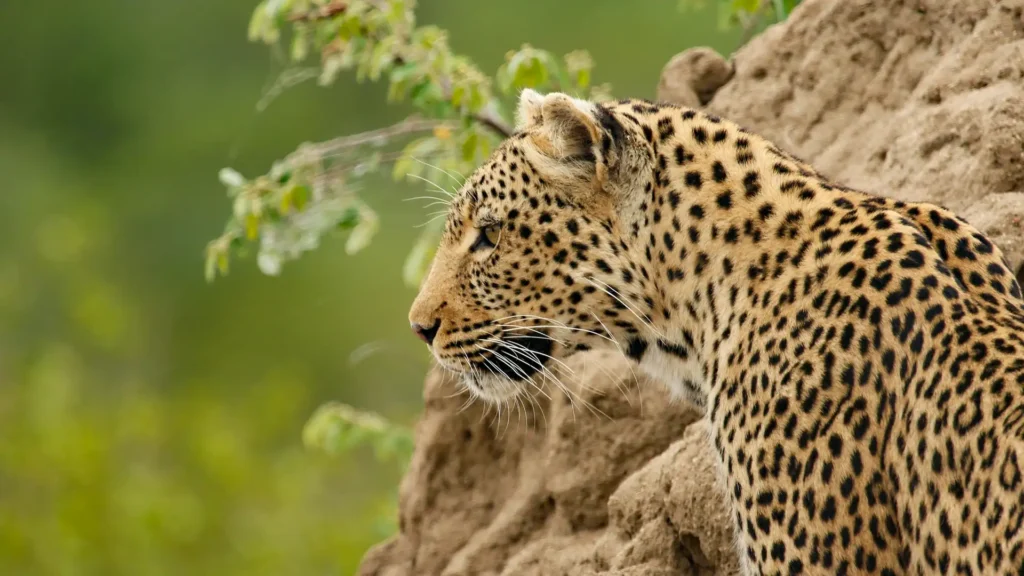
Mount Elgon National Park
Covering over 1,142 square kilometers, Mount Elgon National Park is centered around Mount Elgon, an extinct volcano and the eighth highest mountain in Africa. The park is famous for its stunning landscapes, waterfalls, caves, and unique flora and fauna.
The park’s diverse ecosystems include montane forests, bamboo zones, and alpine moorlands, supporting elephants, buffalo, primates, and over 300 bird species. The Sipi Falls, a series of three waterfalls cascading down the mountain, are popular for hiking, camping, and scenic photography.
Caving is another major activity, with visitors exploring ancient volcanic caves rich in history and geology. The park also supports cultural tourism, with local communities sharing their traditions and stories. The climate varies from cool highlands to warmer lowlands, offering a range of outdoor experiences.
Mount Elgon’s ecological significance, combined with its adventure activities and cultural heritage, makes it a compelling destination for nature lovers and explorers.
Kidepo Valley National Park
Located in northeastern Uganda, Kidepo Valley National Park is one of Uganda’s most remote and pristine wilderness areas. Covering 1,442 square kilometers, it features rugged savannahs, mountains, and deep valleys, supporting a range of wildlife and bird species.
Kidepo is renowned for its high concentration of large mammals, including elephants, lions, cheetahs, giraffes, and buffalo. Its isolation has preserved its ecosystems, making it a vital refuge for species with limited ranges elsewhere. The park boasts over 470 bird species, including endemic and migratory birds, with spectacular birdwatching opportunities.
The cultural aspect is equally compelling, with local tribes such as the Karimojong maintaining traditional lifestyles and crafts. Visitors can enjoy game drives, nature walks, and cultural tours to experience the park’s wilderness and local communities.
Kidepo offers an authentic safari experience, showcasing Uganda’s unspoiled landscapes and wildlife, away from crowded tourist spots.
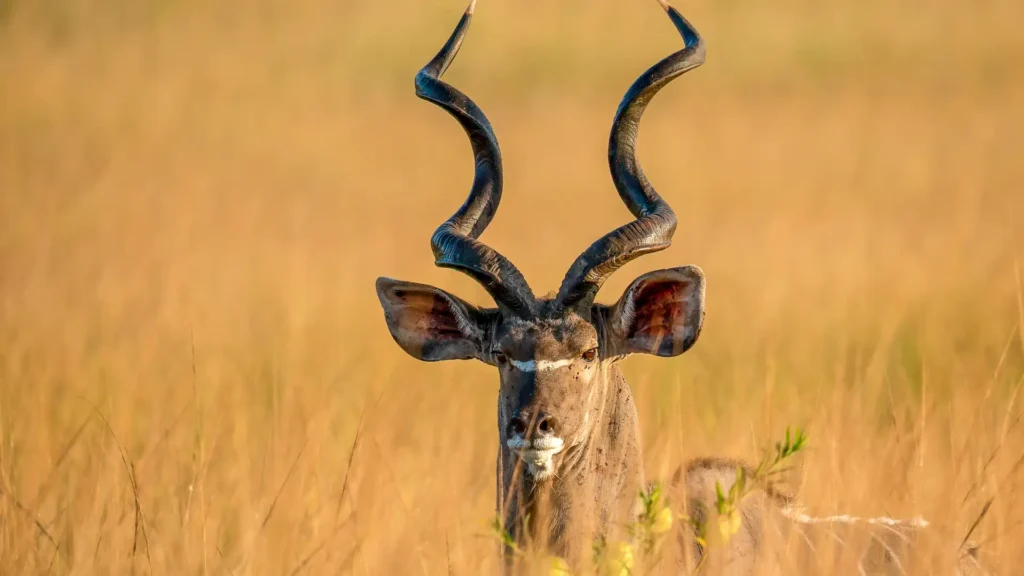
Semuliki National Park
Located in western Uganda along the Congo border, Semuliki National Park is a relatively small but ecologically important rainforest covering 220 square kilometers. It is part of the Congo Basin’s rainforest corridor and is known for its rich biodiversity and hot springs.
The park supports over 370 bird species, including Congo endemics like the Congo serpent eagle and the red-billed hornbill. It is also home to forest elephants, buffalo, primates such as chimpanzees and red colobus monkeys, and various reptiles and amphibians.
The hot springs, which are among Africa’s most active, attract visitors seeking relaxation and therapeutic baths. The park’s lush forest, swampy wetlands, and river systems create a vibrant ecological mosaic, facilitating species migration and ecological connectivity.
Activities include birdwatching, guided forest walks, and hot springs bathing. Semuliki’s ecological significance lies in its role as a wildlife corridor and its contribution to regional biodiversity conservation.
Mount Rwenzori Mountains National Park
Known as the “Mountains of the Moon,” Mount Rwenzori National Park covers 996 square kilometers along Uganda’s border with the Democratic Republic of Congo. Its snow-capped peaks, glaciers, and alpine flora make it one of Africa’s most striking mountain ranges.
The park offers challenging hikes, with routes leading to the summit of Margherita Peak at 5,109 meters. Trekkers encounter diverse ecosystems as they ascend from lush montane forests to moorlands and snowfields each supporting unique plant and animal life.
The scenery includes waterfalls, glaciers, and rare high-altitude plants, making it a UNESCO World Heritage Site. The park also has cultural significance, with local communities sharing their traditions and stories about the mountains.
Mount Rwenzori’s geological and ecological features attract researchers, adventure seekers, and nature lovers, offering a unique high-altitude experience in the heart of Africa.