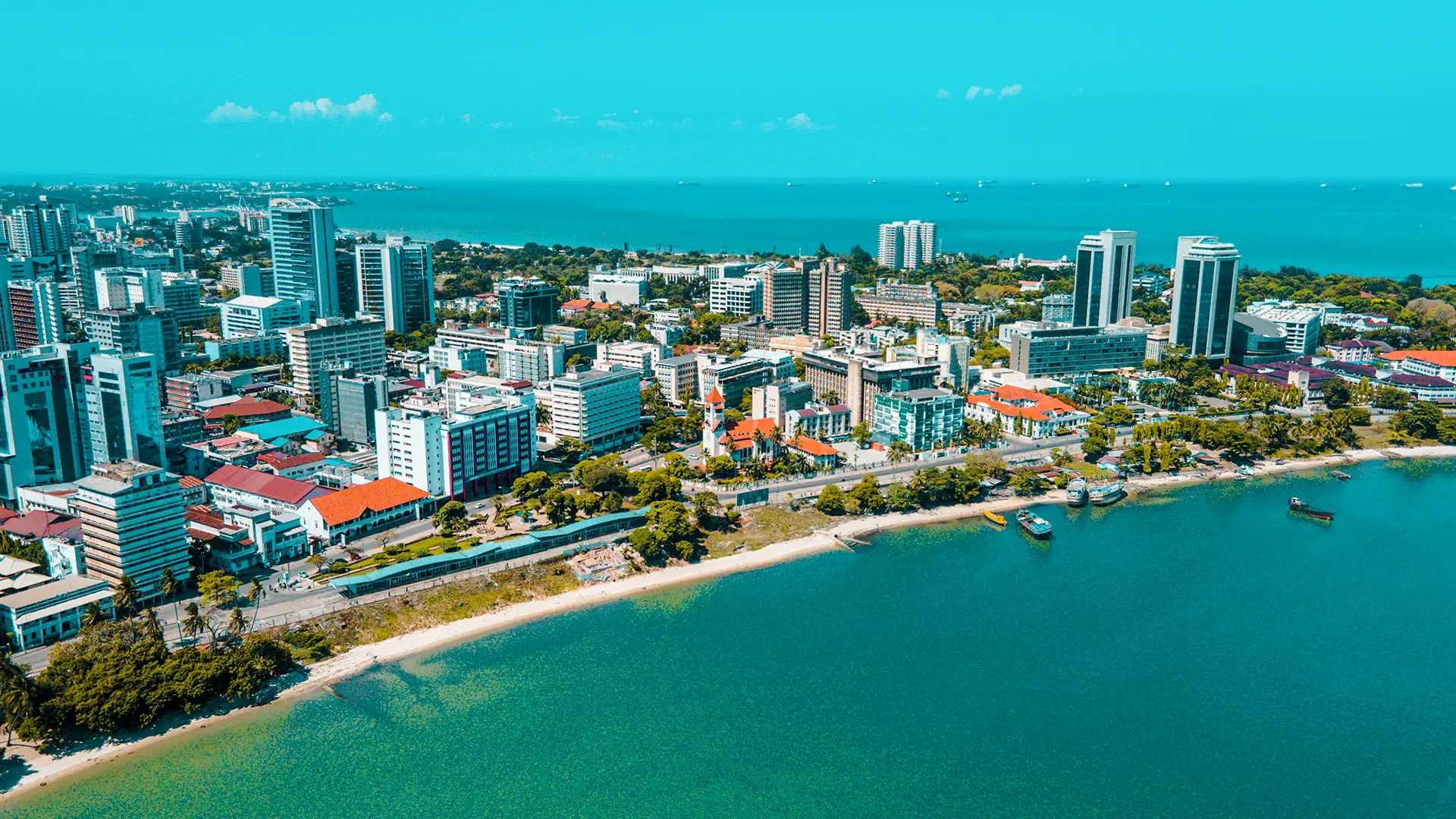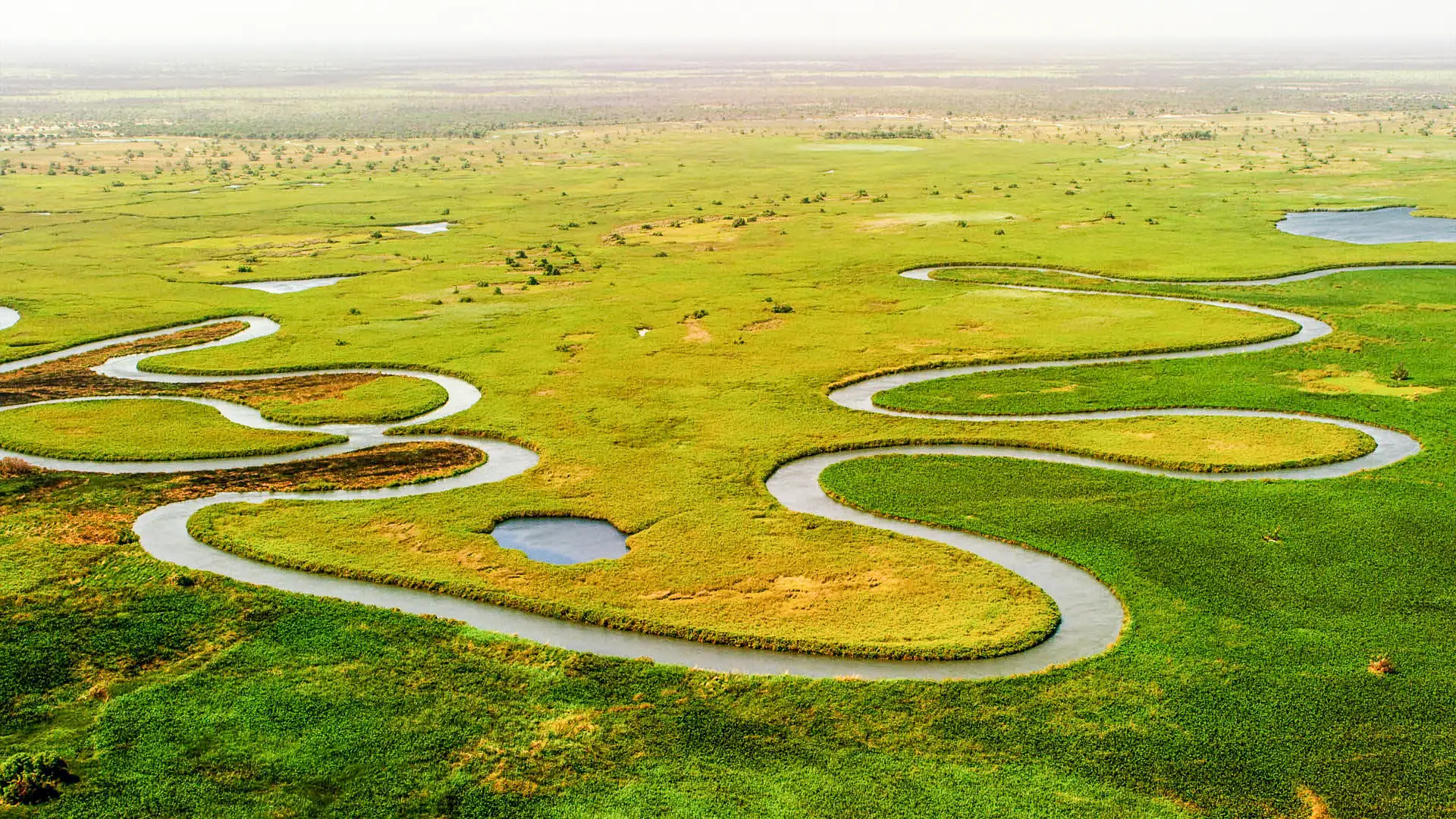

Africa is a continent characterized by its vast diversity geographically, culturally, economically, and environmentally. Its image has long been shaped by a mixture of awe-inspiring landscapes, ancient civilizations, and headlines highlighting conflicts or challenges. But to truly appreciate Africa, especially as a responsible tourist, it’s essential to look beyond these surface perceptions.
Africa today is a dynamic continent, experiencing rapid growth and transformation. Its tourism sector reflects this complexity offering opportunities for cultural immersion, eco-tourism, adventure, and community-led projects that foster sustainable development.
Traveling responsibly in Africa involves understanding the deeper realities: the socio-economic disparities, conservation challenges, infrastructural gaps, and the efforts being made to address them. It also means recognizing that tourism can be a powerful tool for positive change if approached thoughtfully.
This guide aims to provide a comprehensive, nuanced understanding of Africa’s multifaceted landscape, equipping you to travel in a way that is enriching for both visitors and host communities. Whether your goal is adventure, cultural discovery, or conservation, understanding these depths ensures your journey is meaningful, responsible, and transformative.

Is Africa Safe for Tourists?
Safety is often the first concern for travelers considering Africa. The reality is complex: the continent’s size and diversity mean safety conditions vary vastly between countries, regions, and even neighborhoods.
- Regional and Country Variations: Countries like Botswana, Namibia, Rwanda, and Ghana consistently rank high for safety, with well-developed tourism infrastructure, stable governments, and supportive communities. In contrast, parts of the Sahel, Lake Chad Basin, and some border regions face security issues due to conflicts, insurgencies, or political unrest.
- Urban Versus Rural Safety: Major cities such as Nairobi, Johannesburg, Cairo, and Casablanca have areas that are safe and well-policed, with vibrant cultural scenes and bustling markets. However, travelers should exercise caution in certain neighborhoods, avoid displaying valuables openly, and stay informed through official advisories.
- Wildlife and Safari Safety: Participating in guided safaris in national parks like Serengeti, Kruger, or Maasai Mara is generally safe when booked with reputable operators. These companies follow strict safety protocols, and guides are trained to handle wildlife encounters responsibly.
- Health Risks and Medical Security: Malaria, yellow fever, and other tropical diseases are present in many regions. Travelers should consult health advisories, get vaccinated, and carry adequate medications. Emergency medical facilities are often limited outside major cities, so travel insurance with medical coverage is essential.
- Community and Cultural Safety: Respecting local customs, dressing modestly where appropriate, and engaging with communities respectfully enhances safety and fosters positive interactions.
- Responsible Engagement: Travelers who choose responsible operators, stay in community-run accommodations, and adhere to safety guidelines contribute to a safer and more sustainable tourism environment.
What Are the Major Challenges and Opportunities for Tourism in Africa?
Understanding the complexities to unlock sustainable growth
Africa’s tourism industry faces significant hurdles but also offers immense potential for positive transformation.
Challenges:
- Infrastructural Deficits: Many destinations lack reliable transportation networks, quality accommodations, and healthcare facilities, which can hamper travel comfort and safety. Rural and remote areas, rich in ecological and cultural assets, often remain inaccessible or underdeveloped.
- Environmental Management: The increasing number of visitors in popular parks and sites risks ecological degradation habitat destruction, pollution, and disturbance to wildlife. Balancing tourism growth with conservation requires innovative eco-management practices.
- Perception and Image: Negative stereotypes, political instability, or recent conflicts can deter potential visitors. Misinformation or outdated travel advisories may discourage exploration, despite improvements on the ground.
- Local Community Involvement: Historically, some tourism models have marginalized local populations, leading to issues like cultural commodification or environmental harm. Ensuring community participation is vital for equitable benefits.
Opportunities:
- Eco-tourism and Community-Based Tourism: Initiatives that involve local communities in managing lodges, guiding safaris, or cultural performances foster economic empowerment while conserving natural and cultural assets. Examples include Namibia’s conservancies and Rwanda’s gorilla tourism.
- Cultural Heritage and Experiential Travel: Visitors seek authentic experiences participating in traditional ceremonies, learning local crafts, or exploring ancient ruins like Great Zimbabwe or Lalibela. These experiences promote cross-cultural understanding and respect.
- Adventure and Nature Tourism: Mountaineering, diving, white-water rafting, and desert safaris attract thrill-seekers. Destinations like Mount Kilimanjaro, the Skeleton Coast, or the Nile River offer unique adventure opportunities.
- Sustainable Investment: Governments and private investors are increasingly focusing on eco-friendly infrastructure, renewable energy-powered lodges, and conservation projects, aligning economic growth with environmental sustainability.
The Role of Responsible Tourism:
By choosing eco-certified accommodations, supporting local artisans, and respecting cultural norms, travelers can help to address challenges and unlock tourism’s potential as a catalyst for positive change.
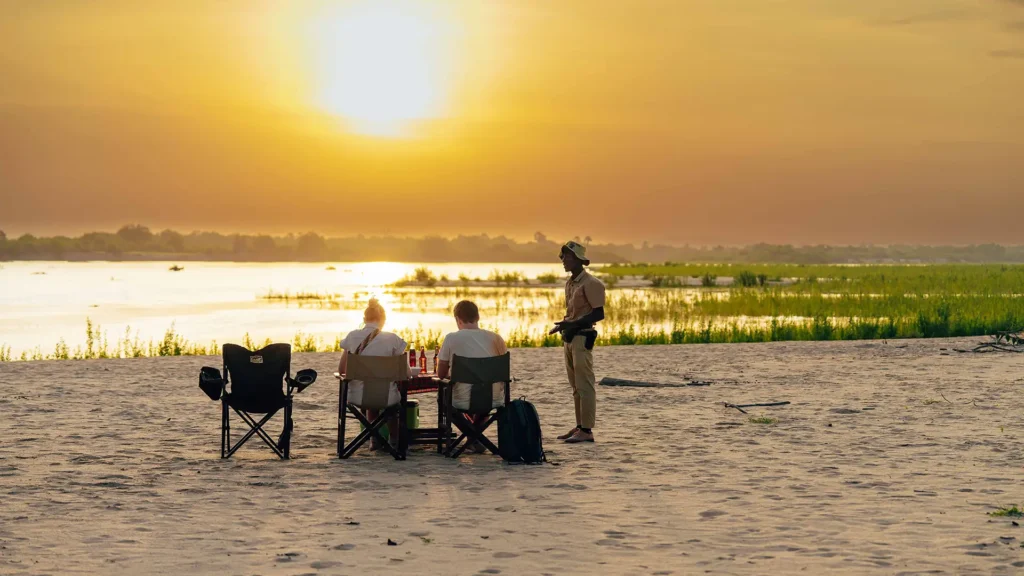
Why Should Travelers Care About Africa’s Natural and Cultural Richness?
Transforming tourism into a deep, respectful engagement
- Biodiversity as a Global Treasure: Africa’s ecosystems savannahs, rainforests, deserts are home to a wealth of species, many endangered. Responsible wildlife tourism funds conservation efforts and local livelihoods. For example, community-led gorilla trekking in Rwanda has helped protect mountain gorillas and reduce poaching.
- Historical and Cultural Heritage: Sites like Egypt’s pyramids, Ethiopia’s Lalibela churches, and the rock-hewn churches of Sudan are not just tourist attractions they are living legacies of human ingenuity and faith. Participating in cultural festivals or local traditions fosters appreciation and supports preservation.
- Empowering Local Communities: Engaging with local artisans, musicians, and guides ensures that tourism benefits those who preserve cultural practices and habitats. This fosters sustainable livelihoods and cultural pride.
- Conservation and Education: Visitors’ awareness and contributions support ongoing conservation programs, environmental education, and the protection of endangered species and habitats.
- Cultural Sensitivity and Exchange: Traveling responsibly means learning about local customs, supporting indigenous businesses, and avoiding exploitation or commodification of cultures.
Your role: As a responsible traveler, your participation in respectful, eco-friendly tourism can be a powerful force for conservation, cultural preservation, and economic empowerment.
What Economic Opportunities Does Tourism Bring to Africa?
Driving inclusive and sustainable economic growth
- Job Creation: Tourism directly and indirectly creates millions of jobs hotel staff, guides, artisans, transportation providers, and entrepreneurs. For example, the Maasai in Kenya and Tanzania have leveraged eco-tourism to improve livelihoods while conserving their land.
- Infrastructure Development: Increased tourist arrivals lead to investments in roads, airports, water, and sanitation infrastructure benefiting local populations beyond tourism.
- Cultural and Natural Preservation: Revenue generated from entrance fees, tour operators, and eco-lodges funds the maintenance of heritage sites and protected areas, ensuring their longevity.
- Promoting Regional Integration: Initiatives like the African Continental Free Trade Area (AfCFTA) aim to boost intra-African tourism, encouraging regional exploration and economic cooperation.
- Supporting Small and Medium Enterprises (SMEs): Local artisans, food vendors, and small-scale operators thrive when tourists seek authentic experiences.
The Future of Tourism Investment:
Sustainable investments in eco-lodges, renewable energy-powered accommodations, and community-run tourism projects not only generate economic benefits but also promote environmental conservation and social inclusion.

How Is Africa Addressing Environmental Concerns Through Tourism?
Aligning tourism growth with ecological sustainability
- Eco-certification and Responsible Practices: Many parks and lodges adopt internationally recognized eco-labels, promoting low-impact tourism, waste reduction, and conservation education.
- Community-Led Conservation: Models like Namibia’s conservancies demonstrate that involving local communities in managing wildlife and tourism creates incentives for preservation and sustainable land use.
- Renewable Energy Adoption: Eco-lodges and resorts are increasingly powered by solar and wind energy, reducing carbon emissions and promoting green tourism.
- Climate Resilience Initiatives: Projects such as reforestation, water conservation, and habitat restoration help mitigate the effects of climate change and protect biodiversity.
- Educational Campaigns: Promoting awareness among tourists about responsible practices such as respecting wildlife distances and avoiding littering supports conservation goals.
Travelers’ Role: Choosing eco-friendly accommodations, participating in conservation programs, and respecting wildlife and habitats are essential actions for ensuring tourism benefits both people and the planet.
6. Why Should You Follow Africa’s Tourism Story?
Africa’s tourism landscape is evolving marked by innovations, resilience, and a growing emphasis on sustainability. As a traveler, your choices influence this trajectory:
- Supporting Responsible Tourism: Prioritize eco-certified lodges, community-run enterprises, and conservation projects. Your support helps build resilient and sustainable tourism models.
- Sharing Positive Narratives: Promote stories of successful conservation, cultural revival, and community empowerment to challenge stereotypes and inspire others.
- Engaging Meaningfully: Participate in cultural exchanges, volunteer responsibly, and learn from local communities to foster mutual respect and understanding.
- Contributing to Sustainable Development: Your travel can be a force for good helping to preserve natural habitats, support local economies, and promote cultural heritage.
In essence: Your journey in Africa can be transformative not just for you but for the communities and ecosystems you encounter.
Conclusion: Embark on a Responsible Journey into Africa’s Vibrant Future
Africa is a continent of profound beauty, resilience, and opportunity. Its landscapes, cultures, and communities await explorers willing to travel responsibly, learn deeply, and contribute positively.
Responsible tourism isn’t just about seeing sights it’s about forging meaningful connections, supporting conservation, and empowering local populations. As you plan your travels, remember that your choices can help shape Africa’s future making it a continent where tourism benefits everyone.
Your adventure into Africa’s future starts now. Are you ready to explore with purpose?