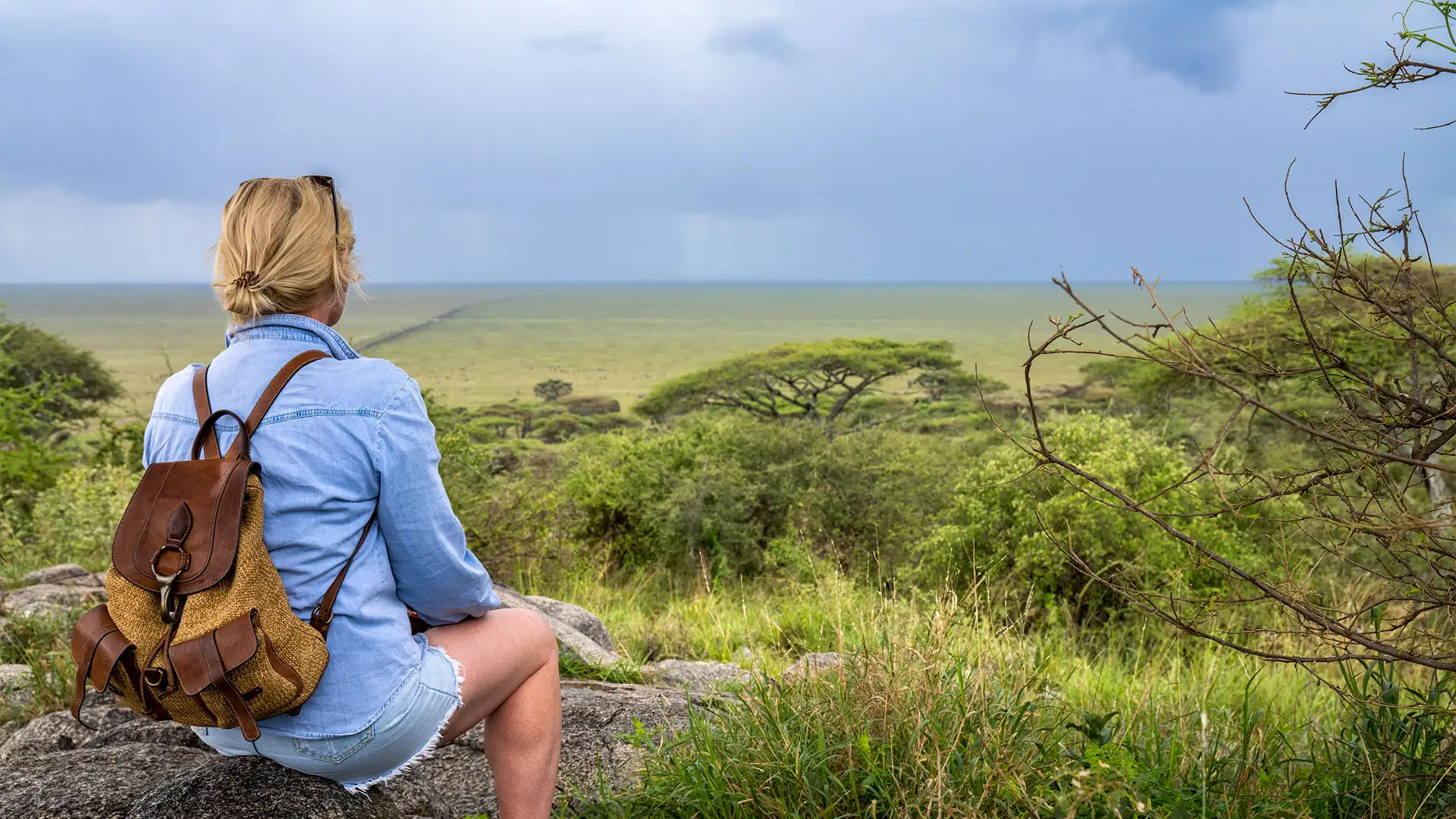
Define Your Goals
Establishing clear objectives before embarking on your trip is fundamental because Africa’s vastness encompasses countless distinct experiences. Without a focused goal, travelers risk spreading themselves too thin, missing out on the depth and authenticity that make their journey meaningful.
Wildlife Safari:
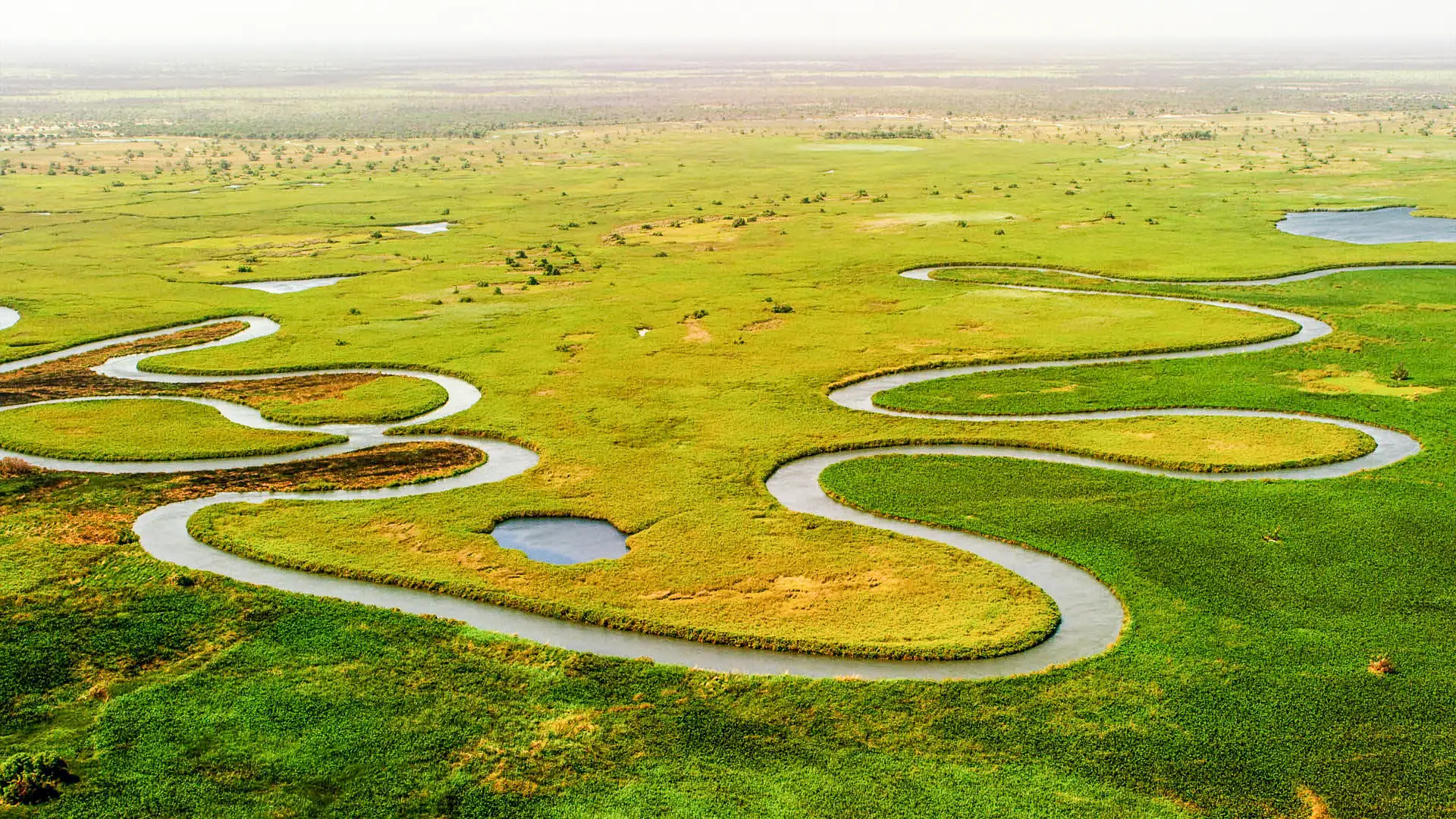
Africa is renowned globally for its exceptional wildlife populations and conservation efforts. If your aim is to witness the majestic ‘Big Five’ lion, elephant, buffalo, leopard, and rhinoceros then selecting the right reserves is critical. The Serengeti in Tanzania, Maasai Mara in Kenya, and Kruger National Park in South Africa are proven hotspots, each offering unique ecosystems and seasonal wildlife migrations. Planning your trip during the dry season (June to October) enhances sightings because animals congregate around remaining water sources, making game viewing more prolific and easier to spot. Such strategic timing is backed by extensive ecological research and conservation data, ensuring your experience is both rewarding and respectful of wildlife patterns.
Cultural Immersion:
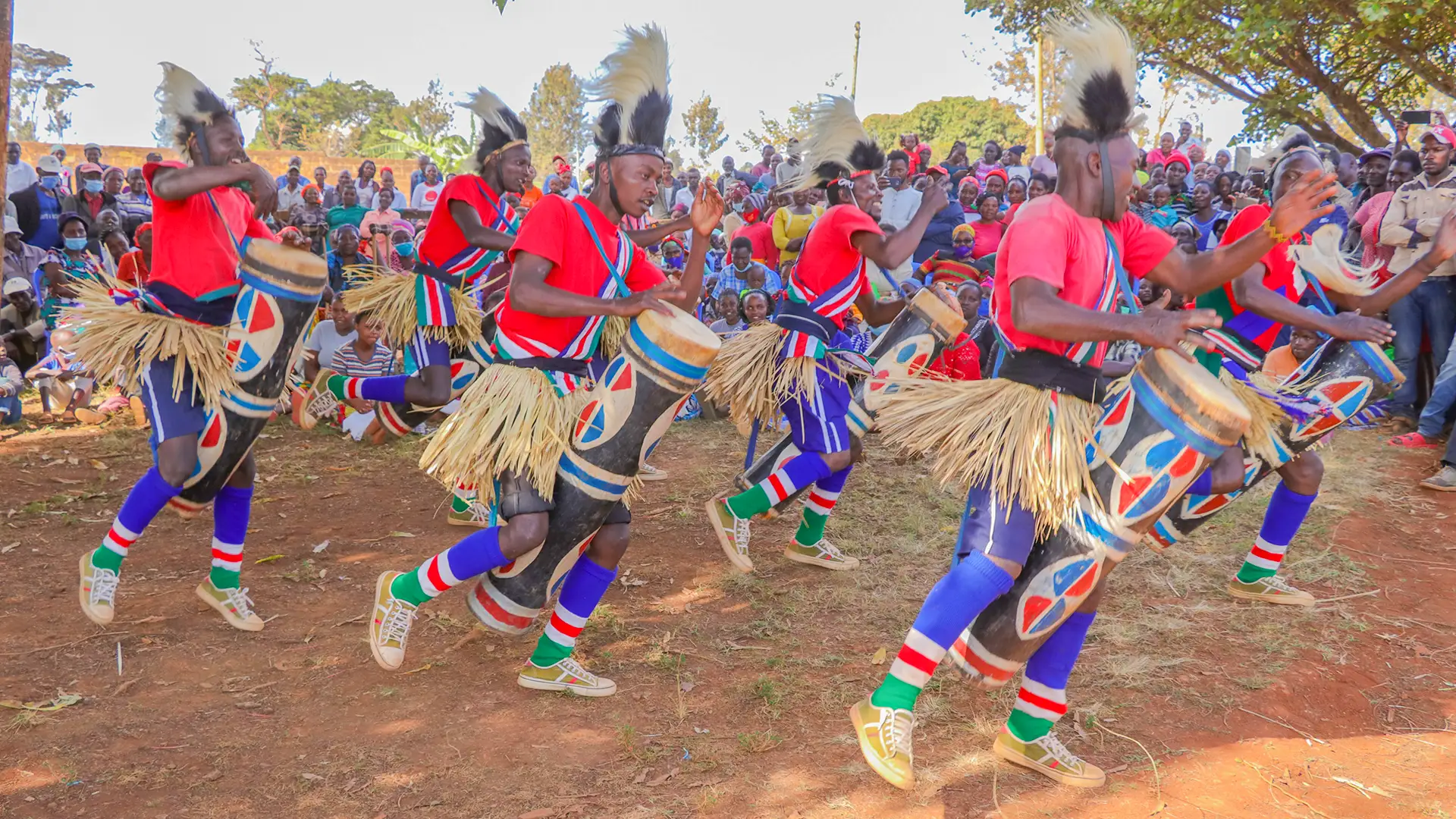
For travelers seeking to connect deeply with Africa’s diverse cultures, the focus shifts from wildlife to history, traditions, and community life. Countries like Ethiopia, Morocco, Ghana, and Senegal boast rich histories, ancient architecture, and vibrant festivals. Engaging with local tribes such as the Maasai in Kenya or Himba in Namibia—requires cultural sensitivity, patience, and a genuine desire to learn. These interactions are not only enriching but also support sustainable tourism initiatives that empower local communities. Proper planning involves understanding cultural norms, participating respectfully, and avoiding exploitative practices.
Adventure & Nature:
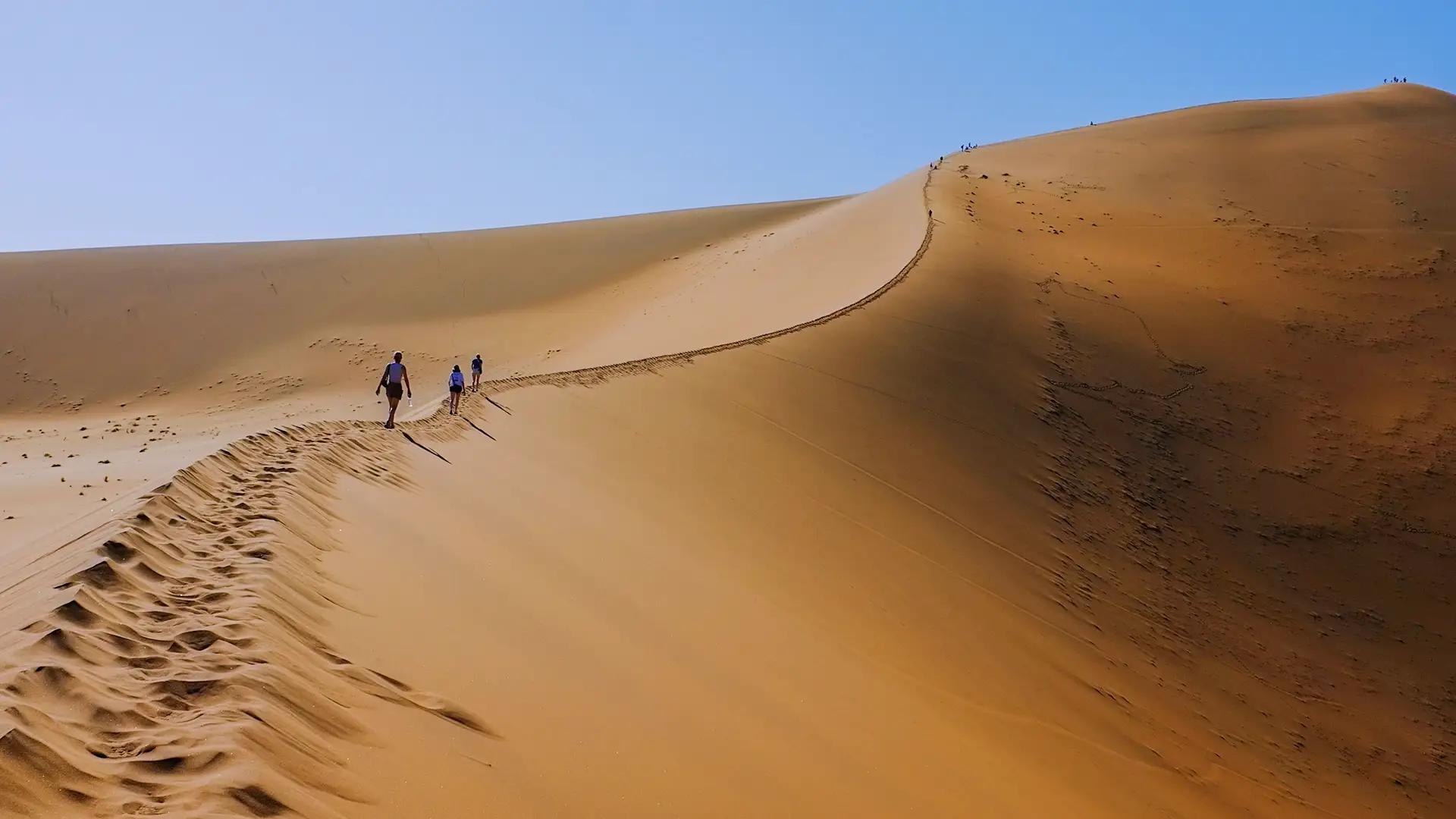
Those drawn to physical challenges and natural spectacles should explore Africa’s dramatic landscapes climbing Mount Kilimanjaro, trekking through the Sahara Desert, surfing along the coasts of Zanzibar, or exploring the Drakensberg Mountains. These pursuits demand physical preparation, safety awareness, and respect for environmental fragility. Such adventures foster personal growth, appreciation for natural forces, and a stronger connection to the continent’s diverse ecosystems.
Defining your goals isn’t merely an initial step; it’s the foundation upon which all subsequent planning rests. It guarantees your trip is purposeful, aligns your expectations with reality, and allows you to allocate resources efficiently be it time, finances, or emotional investment toward experiences that resonate most deeply with you.
Research and Plan Ahead
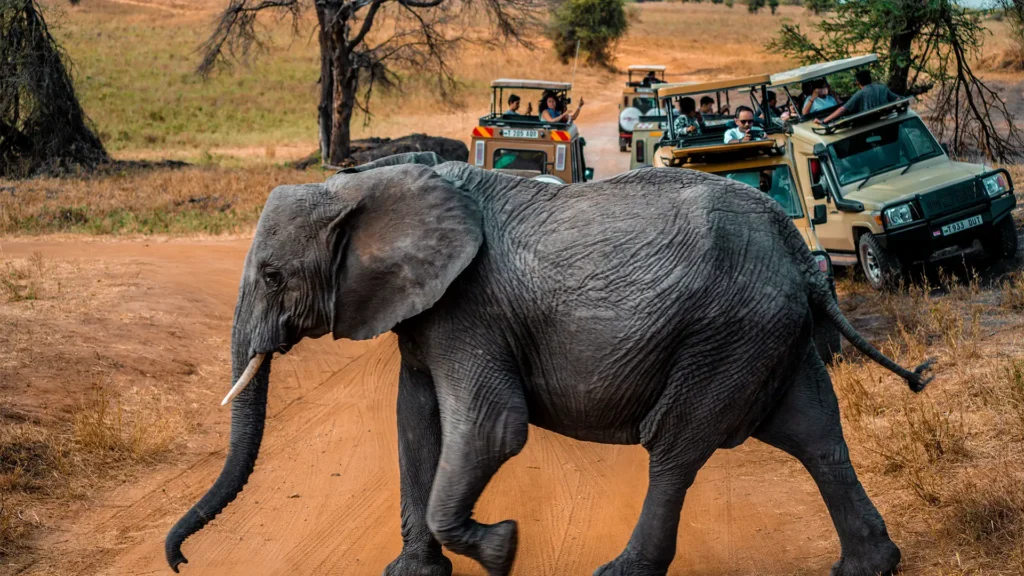
Africa’s complexity necessitates meticulous research and advance planning. The continent’s vastness, climatic variations, political landscapes, and infrastructural differences mean that a one-size-fits-all approach is ineffective.
Optimal Travel Seasons:
Understanding regional climates is essential. For safaris, the dry season (typically June to October) offers the best wildlife viewing because animals gather around scarce water sources, making sightings more predictable. Conversely, the wet season (November to April) transforms landscapes into lush landscapes, ideal for birdwatching and experiencing a different ecological vibrancy. For cultural festivals, aligning travel dates with local events, such as Ethiopia’s Timkat or Ghana’s Homowo, adds richness and authenticity to your experience.
Visa & Vaccination Protocols:
Navigating visa requirements involves understanding each country’s policies, which can vary dramatically. Some nations offer e-visas or visa-on-arrival, while others demand lengthy application processes. Vaccinations are equally critical; yellow fever vaccination is often mandatory, and other immunizations like typhoid, hepatitis A/B, or rabies may be recommended based on regions visited. Failing to meet these health and legal requirements can jeopardize your trip or pose health risks.
Local Guides & Tours:
Partnering with reputable local guides and tour operators is vital for safety, local insight, and cultural authenticity. Well-established guides possess ecological knowledge, language skills, and experience navigating local customs. They can access less-touristed areas, improving the quality of your experience while supporting local employment and economies.
Logistics & Accommodations:
Advance booking of accommodations ensures availability in popular areas and often secures better rates. Selecting eco-lodges or community-run accommodations promotes sustainable tourism and community development, aligning your travel with ethical standards.
Thorough research and planning transform a potentially chaotic experience into a seamless journey. It’s an investment of time that yields dividends in safety, authenticity, and enjoyment, reinforcing your role as a responsible traveler and steward of Africa’s treasures.
Focus on Responsible Tourism
Sustainable and responsible tourism is not merely a trend but an ethical imperative when exploring Africa’s extraordinary yet fragile environment.
Eco-friendly Lodges & Conservation:
Choosing accommodations committed to sustainability those that implement renewable energy, waste reduction, water conservation, and community involvement ensures your stay contributes positively. Many lodges participate in conservation programs that protect endangered species and habitats, such as anti-poaching initiatives or wildlife corridors. Supporting these establishments helps maintain ecological balance and promotes long-term sustainability.
Respect for Local Cultures:
Africa’s cultures are diverse, ancient, and deeply rooted in tradition. Approaching local customs with humility and respect fosters genuine connections. Dress modestly, seek permission before photographing individuals, and learn customary greetings and gestures. Engaging respectfully ensures your interactions are positive and meaningful, avoiding cultural insensitivity or stereotypes.
Environmental Impact & Wildlife Etiquette:
Minimize your ecological footprint by reducing plastic waste, conserving water, and avoiding single-use items. When wildlife viewing, maintain a safe distance using binoculars or telephoto lenses so as not to stress or disturb animals. Follow park rules diligently to prevent habitat degradation and preserve biodiversity.
Community Engagement:
Participate in community-led tours or projects that empower local populations. Purchasing handmade crafts or supporting local businesses ensures economic benefits reach communities directly, fostering sustainable development and cultural preservation.
Responsible tourism balances exploration with preservation. It requires awareness, intentional choices, and a commitment to minimizing negative impacts while maximizing positive contributions. This approach ensures Africa’s natural and cultural riches endure for future generations.
Maximize Cultural Engagement
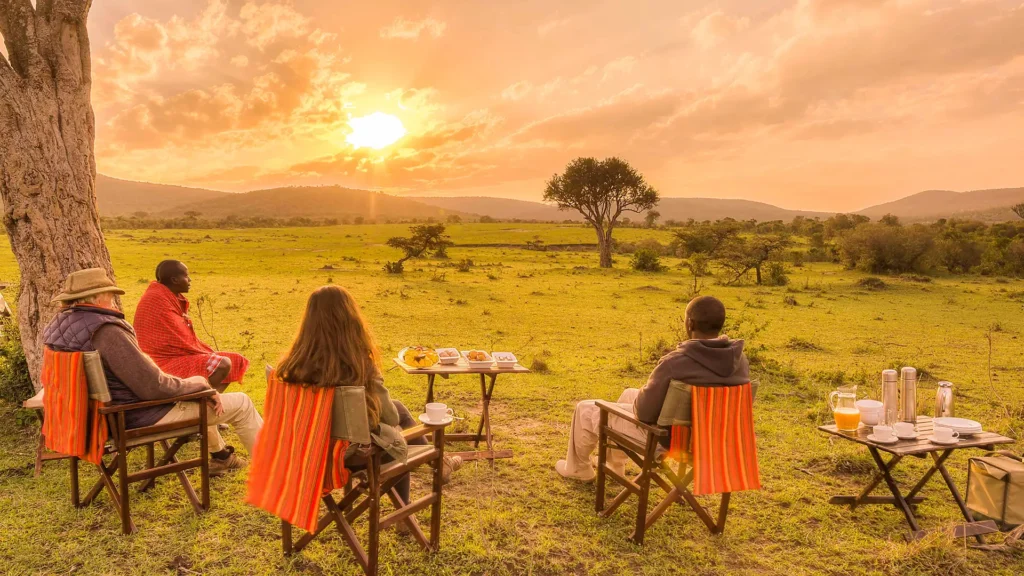
Authentic cultural engagement transforms a sightseeing trip into a meaningful exchange, fostering understanding and respect.
Learning Local Languages:
Even basic phrases hello, thank you, please break barriers and demonstrate respect. Many communities appreciate visitors making an effort to speak their language, which can lead to richer interactions and trust.
Community-led Experiences:
Participate in homestays, craft workshops, or guided tours led by locals. These activities support sustainable livelihoods, provide authentic insights, and challenge stereotypes. For example, learning traditional drumming or cooking connects you to local heritage in a participatory way.
Festivals & Markets:
Attending festivals allows you to witness celebrations of history, religion, and identity firsthand. Markets showcase local artisans, cuisine, and daily life, offering sensory-rich experiences that deepen your understanding of cultural nuances.
Cultural Sensitivity:
Research customs and taboos beforehand. Showing respect such as removing shoes before entering homes or places of worship demonstrates appreciation for local norms. Avoid behavior that might be intrusive or disrespectful, such as taking photos without permission or engaging in exploitative photography.
Conclusion:
Immersive cultural engagement fosters empathy, enriches your experience, and supports local communities. It’s a vital component of responsible and authentic travel that benefits both visitors and hosts.
Capture and Share Your Experience
Documenting your journey responsibly amplifies awareness and appreciation but must be done ethically.
Wildlife & Landscape Photography:
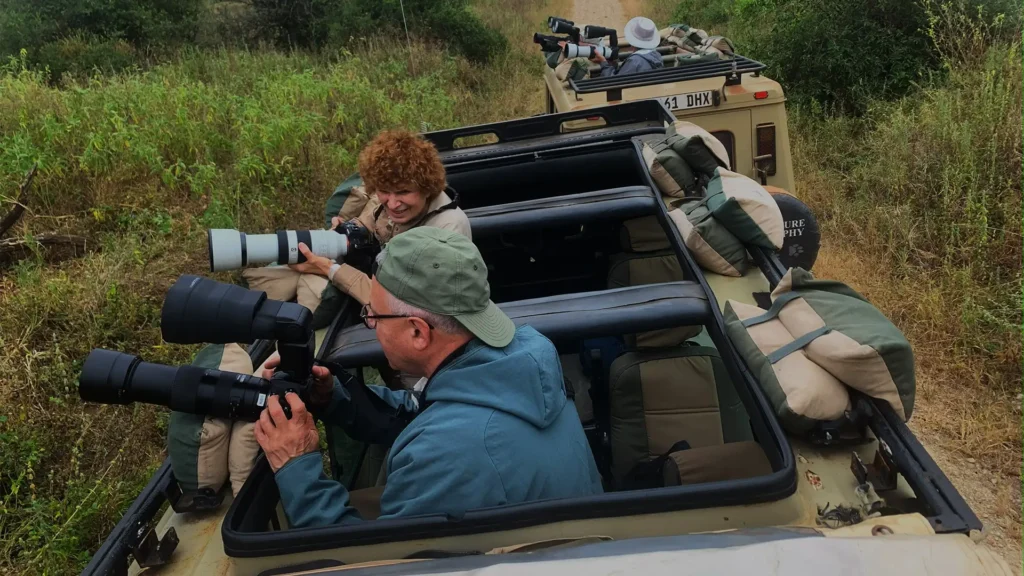
Invest in quality gear and learn about ethical photography practices. Use long lenses to avoid disturbing animals and remain patient. Avoid baiting or disturbing wildlife for a shot, and always follow park regulations.
Respect Wildlife & Ecosystems:
Maintain a safe distance at least several meters from animals to prevent stress or aggressive behavior. Never feed wildlife, as this can alter natural behaviors and increase dependency on humans. Preserve the integrity of ecosystems by not removing souvenirs or disturbing habitats.
Sharing Stories & Images:
When sharing your experiences, highlight conservation efforts, local stories, and positive interactions. Avoid reinforcing stereotypes or sensationalism. Your narrative can inspire others to travel responsibly and contribute positively to local communities.
Preparation:
Research ethical photography guidelines before your trip. Respect privacy and cultural sensitivities. Consider creating a photo journal that emphasizes stories of conservation, community, and natural beauty.
Post-Trip Reflection and Contribution
Volunteer & Donate:
Support local projects such as wildlife conservation, education, or healthcare by volunteering or donating. Many organizations you encounter during your trip welcome ongoing support, which helps sustain their efforts and empowers communities.
Share Your Experience:
Use your stories and photographs to educate others about Africa’s diversity and challenges. Emphasize responsible travel practices, cultural respect, and conservation messages to inspire sustainable tourism.
Future Engagement:
Plan future trips with an even stronger focus on sustainability and community support. Maintain relationships with local guides, organizations, and communities. Advocate for policies that protect Africa’s natural and cultural heritage.
Reflect & Learn:
Assess what you learned about yourself, Africa, and responsible travel. Use this awareness to become an ambassador for sustainable tourism, encouraging others to explore with respect and purpose.
Conclusion:
Responsible post-trip engagement ensures your travel leaves a positive, lasting legacy. It transforms a personal journey into a lifelong commitment to conservation, cultural understanding, and global citizenship.