PRIMATE CAPITAL OF THE WORLD
Kibale National Park
Dense rainforest, chimpanzees and the highest concentration of primates
Why Visit
Kibale National Park protects approximately 766–795 km² of mid-altitude moist evergreen rainforest in western Uganda, near Fort Portal. Originally gazetted as a forest reserve and formally established as a national park in 1993, it forms a continuous forest corridor with Queen Elizabeth National Park to the south. The park ranges in elevation from about 1,100 m to 1,600 m and supports one of the most diverse primate communities on the continent.
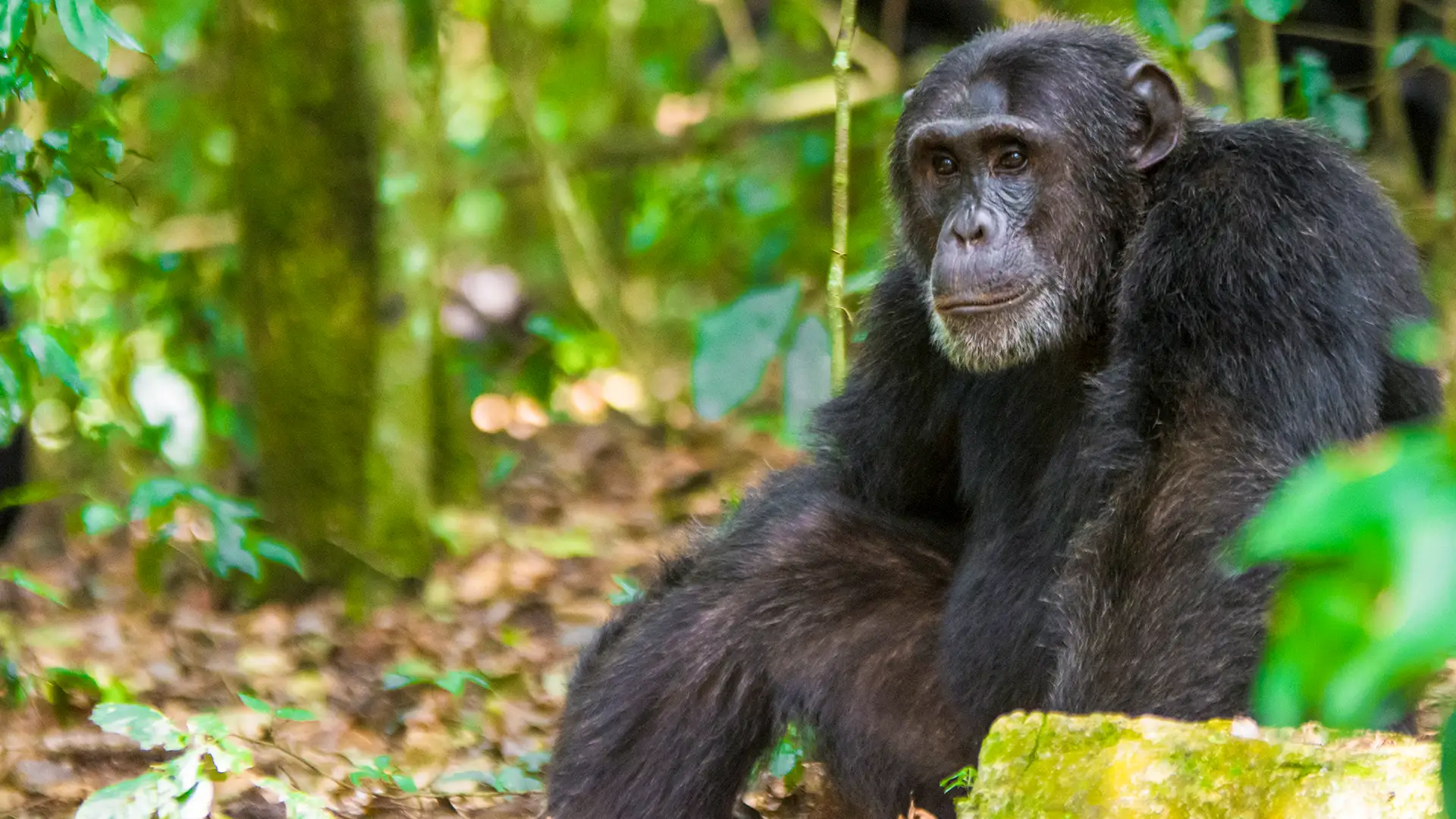
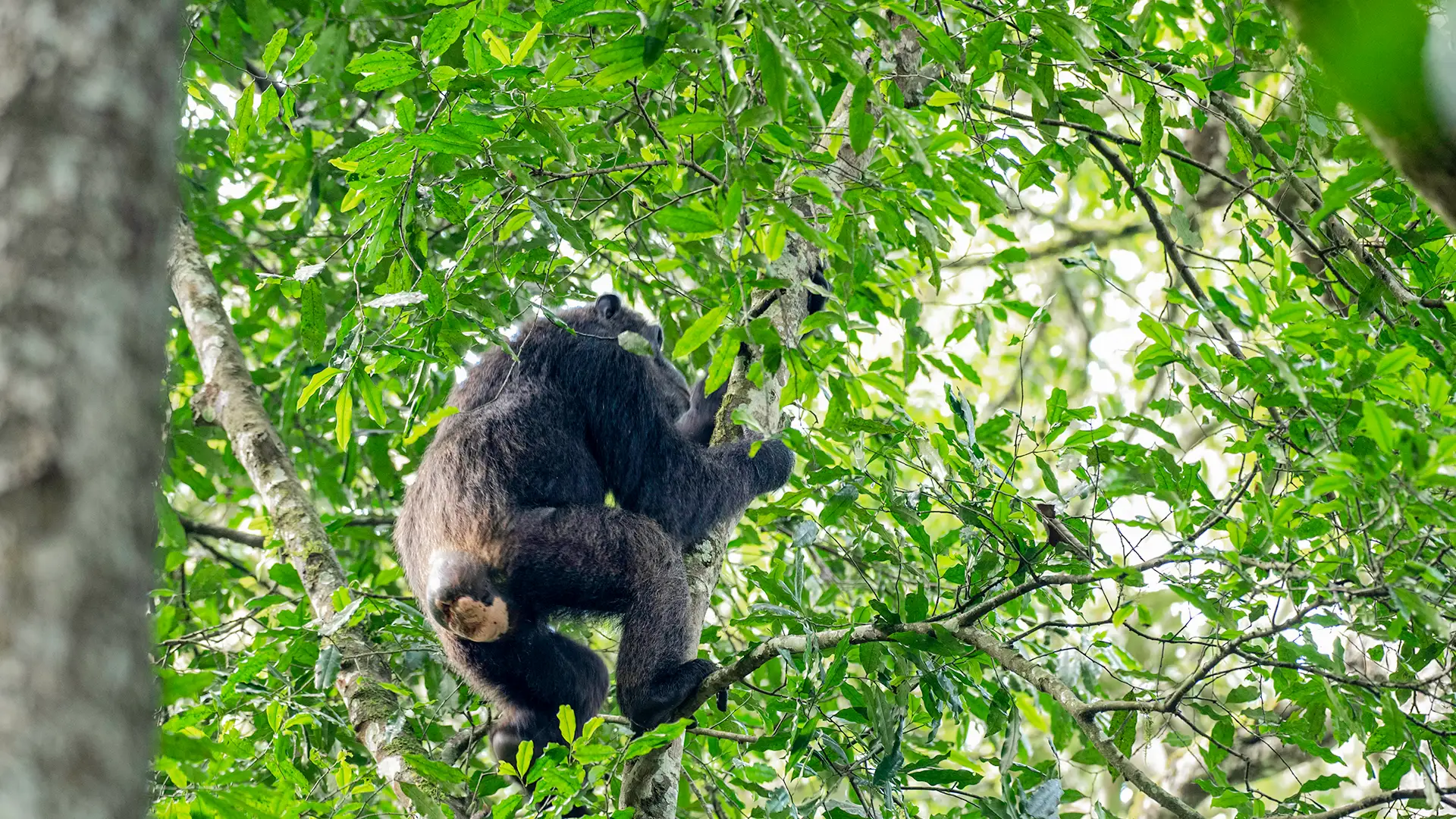
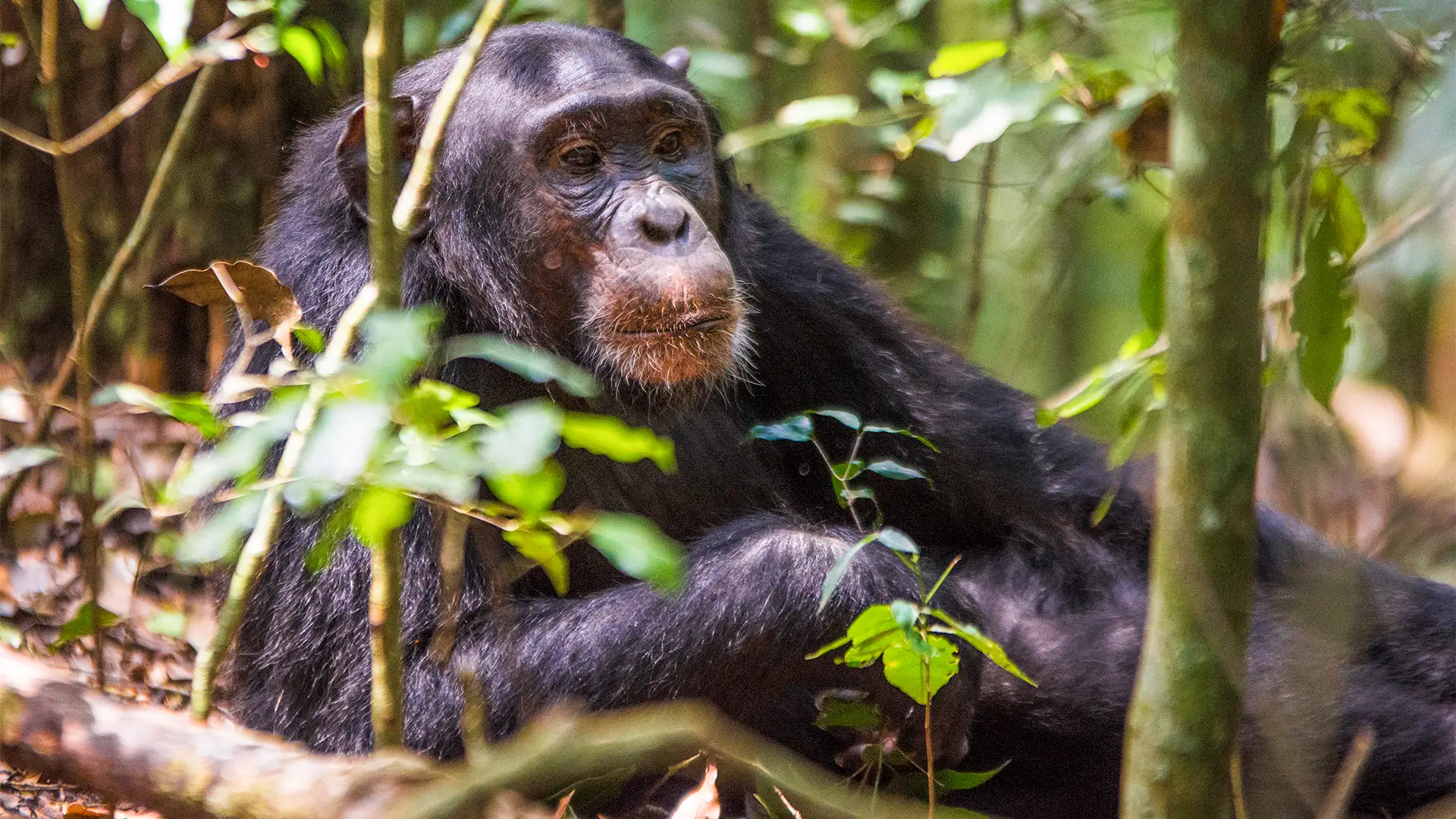
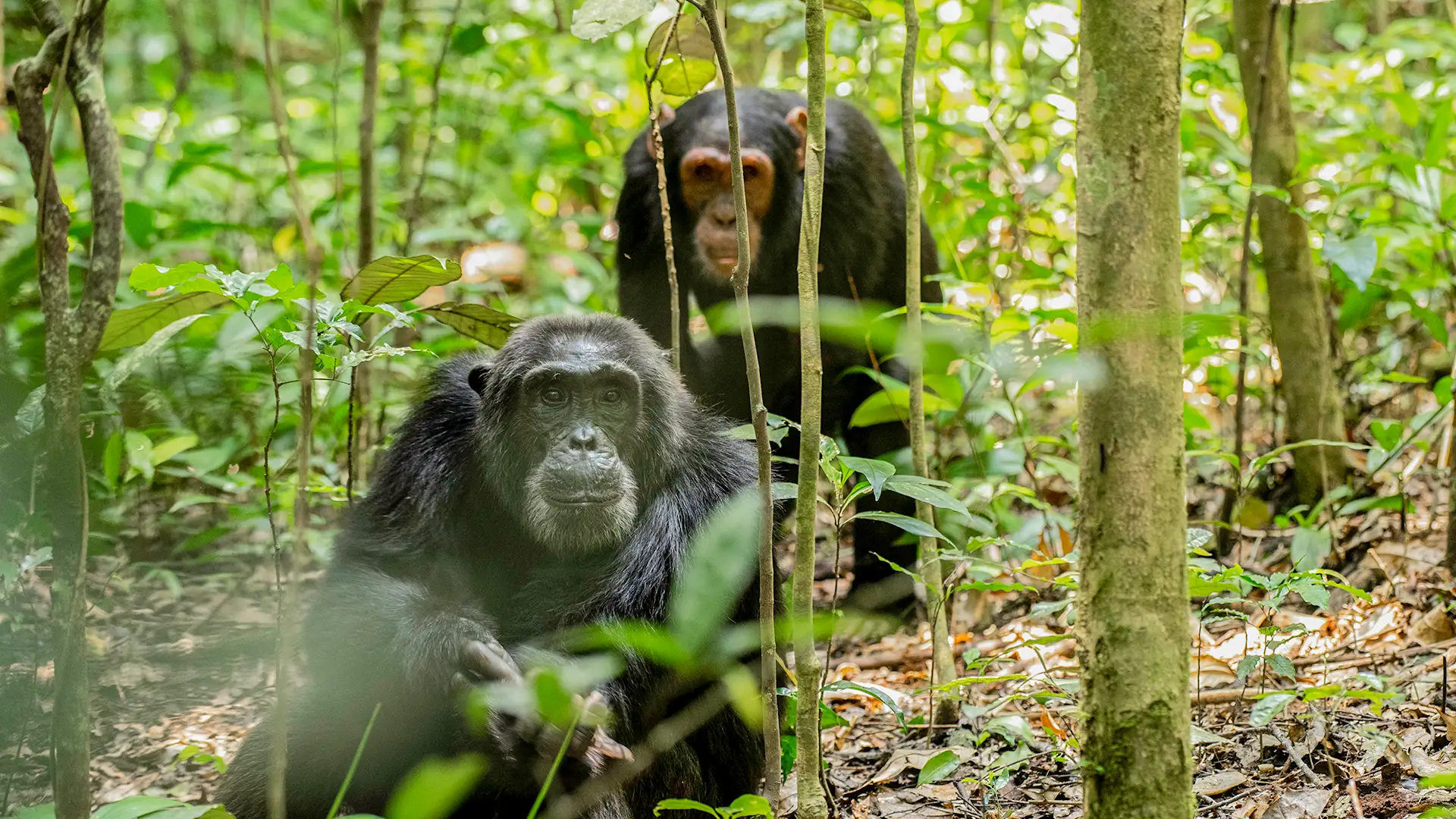
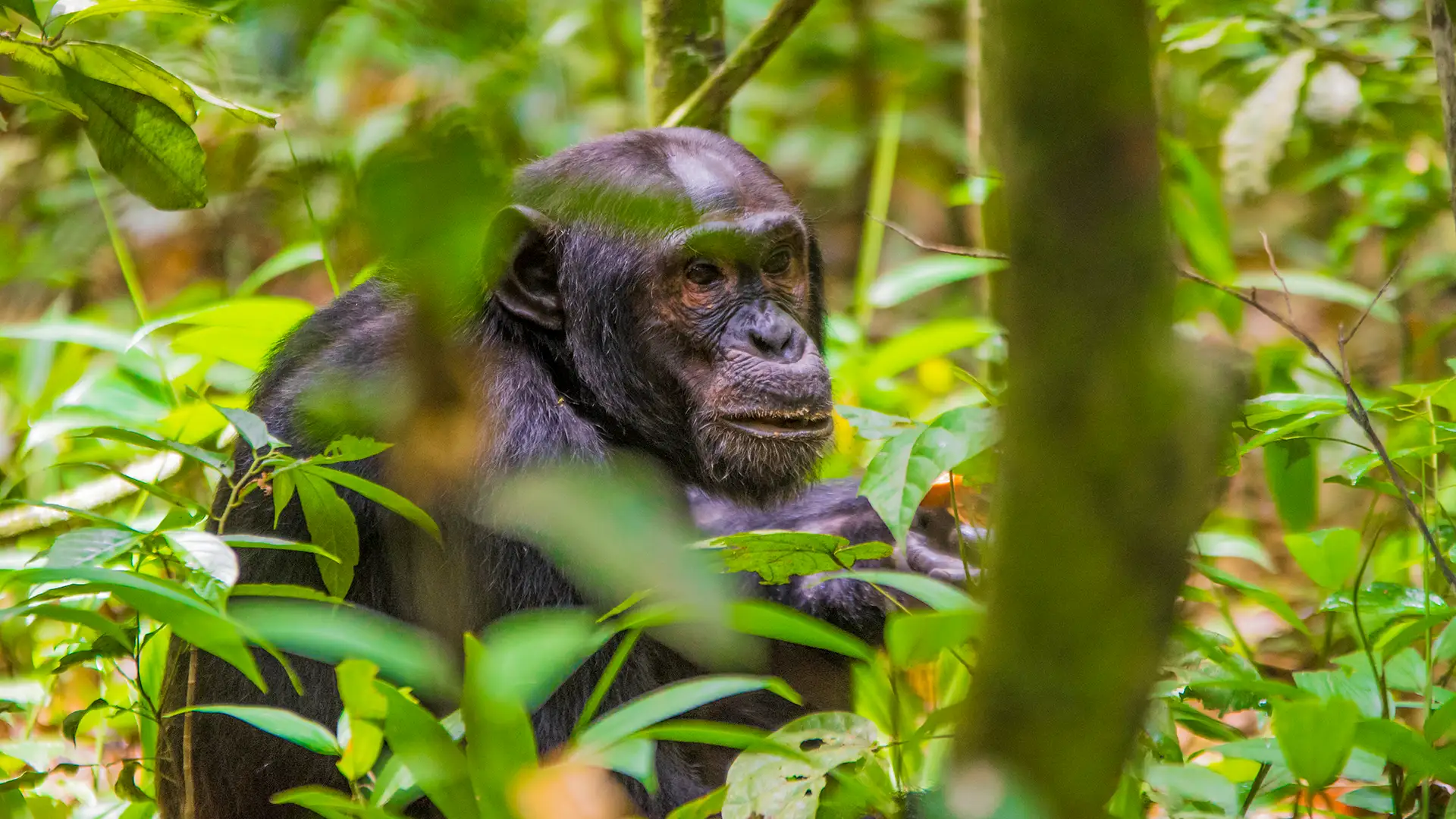
Kibale is widely regarded as the best place in East Africa for chimpanzee tracking. It is home to Uganda’s largest population of chimpanzees (estimated at around 1,450–1,500 individuals) and a total of 13 primate species. Beyond the primates, the forest shelters forest elephants, a rich birdlife of more than 350–375 species, and a complex understorey of trees, vines and butterflies that create an immersive tropical rainforest experience.
Chimpanzee Tracking
Habituated communities offer a high success rate (often over 90%) for observing wild chimpanzees in their natural habitat.
Highest Primate Diversity
Thirteen primate species, including the rare red colobus, L’Hoest’s monkey and Uganda mangabey, make Kibale unmatched for monkey watching.
Chimpanzee Habituation Experience
A longer, more immersive option that allows visitors to spend extended time with a semi-habituated group alongside researchers.
Forest & Wetland Exploration
Guided nature walks and the nearby community-run Bigodi Wetland Sanctuary add excellent birding and additional primate sightings.
Top Things To Do
Chimpanzee Tracking
Chimpanzee Habituation Experience
Guided Nature Walks & Primate Walks
Bigodi Wetland Sanctuary Walk
Iconic Wildlife