Africa is often called the birthplace of humanity, with archaeological evidence indicating that modern humans originated there over 200,000 years ago. Today, it is a continent of contrasts rich in natural resources, cultural diversity, and potential, yet facing complex challenges. Its strategic location, youthful population, and vast ecosystems make Africa a vital player in the global arena.
Understanding Africa’s significance involves exploring its natural landscapes, diverse cultures, history, wildlife, economic prospects, and the obstacles it faces in achieving sustainable development. This knowledge fosters appreciation, responsible engagement, and partnership opportunities that can help harness its potential for positive change.
The Diverse Landscapes of Africa
Overview of Africa’s Geography
Africa spans approximately 30.2 million square kilometers, making it the second-largest continent after Asia. Its vast landmass includes deserts, rainforests, mountains, lakes, and coastal plains. The continent’s geographic diversity influences climate, agriculture, settlement patterns, and biodiversity.
The continent’s central position places it at the crossroads of global trade routes, historically facilitating cultural exchange and commerce.
Major Regions and Their Unique Features
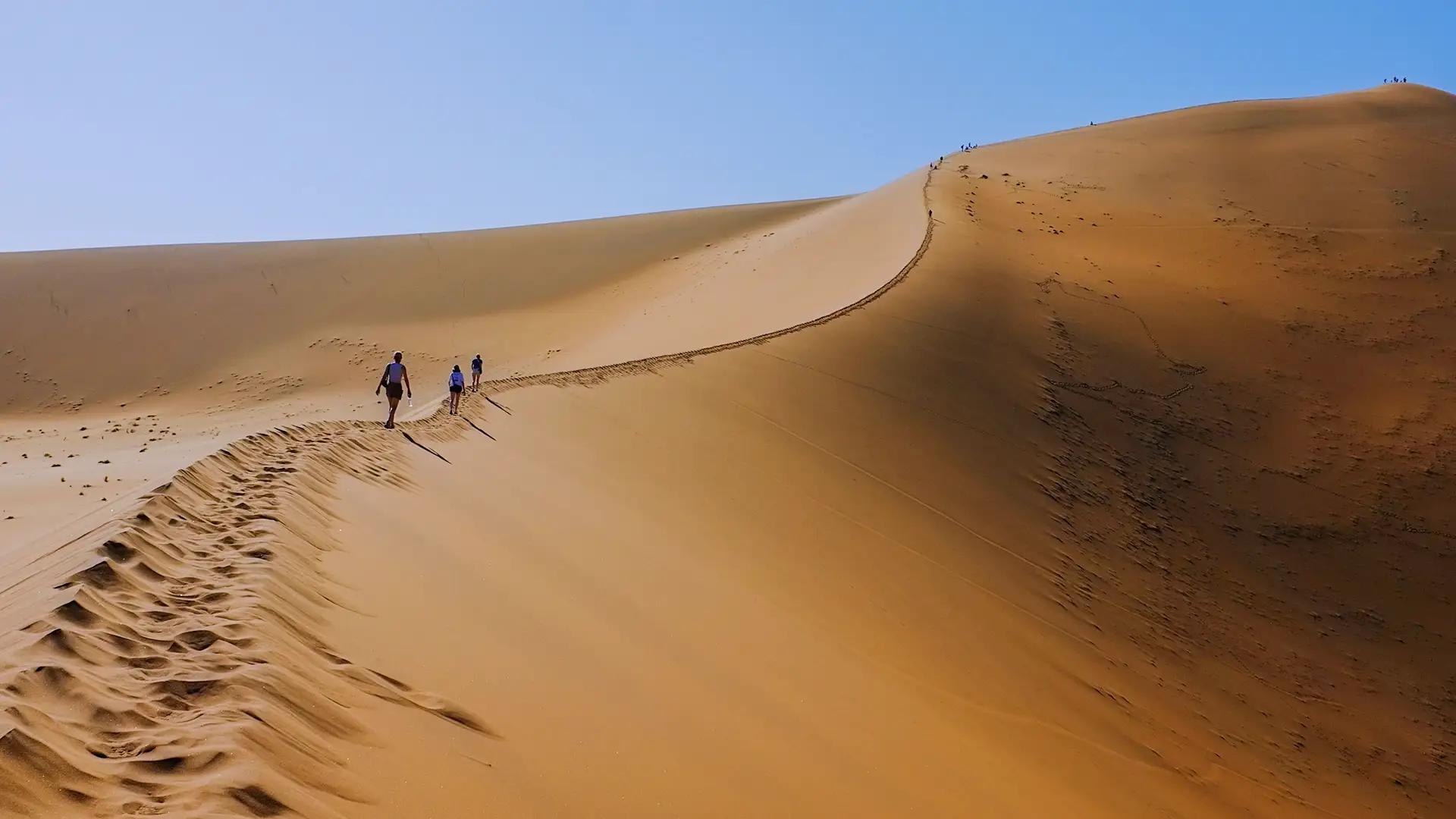
North Africa: Characterized by the Sahara Desert, the world’s largest hot desert, covering about 9.2 million square kilometers. Countries like Egypt, Libya, and Morocco feature desert landscapes, oases, and Mediterranean coastlines. The Atlas Mountains and the Nile Delta are vital geographical features.
Sub-Saharan Africa: Comprising West, East, Central, and Southern Africa, this region boasts a variety of ecosystems:
West Africa is known for its savannahs, rainforests, and the Sahel, a semi-arid zone stretching across the continent’s western edge.
East Africa: The Great Rift Valley, Mount Kilimanjaro, and lakes like Victoria and Tanganyika.
Central Africa: Dense rainforests, Congo Basin, and the Congo River, the second-longest river in Africa.
Southern Africa: Semi-arid zones like the Kalahari Desert, fertile highlands, and mineral-rich regions.
Horn of Africa: Features rugged terrain, including the Ethiopian Highlands and historic trade routes connecting Africa with the Middle East and Asia.
Southern Africa: Known for the Kalahari Desert, the Drakensberg mountain range, and rich mineral deposits like gold and diamonds.
Natural Landmarks and Ecosystems
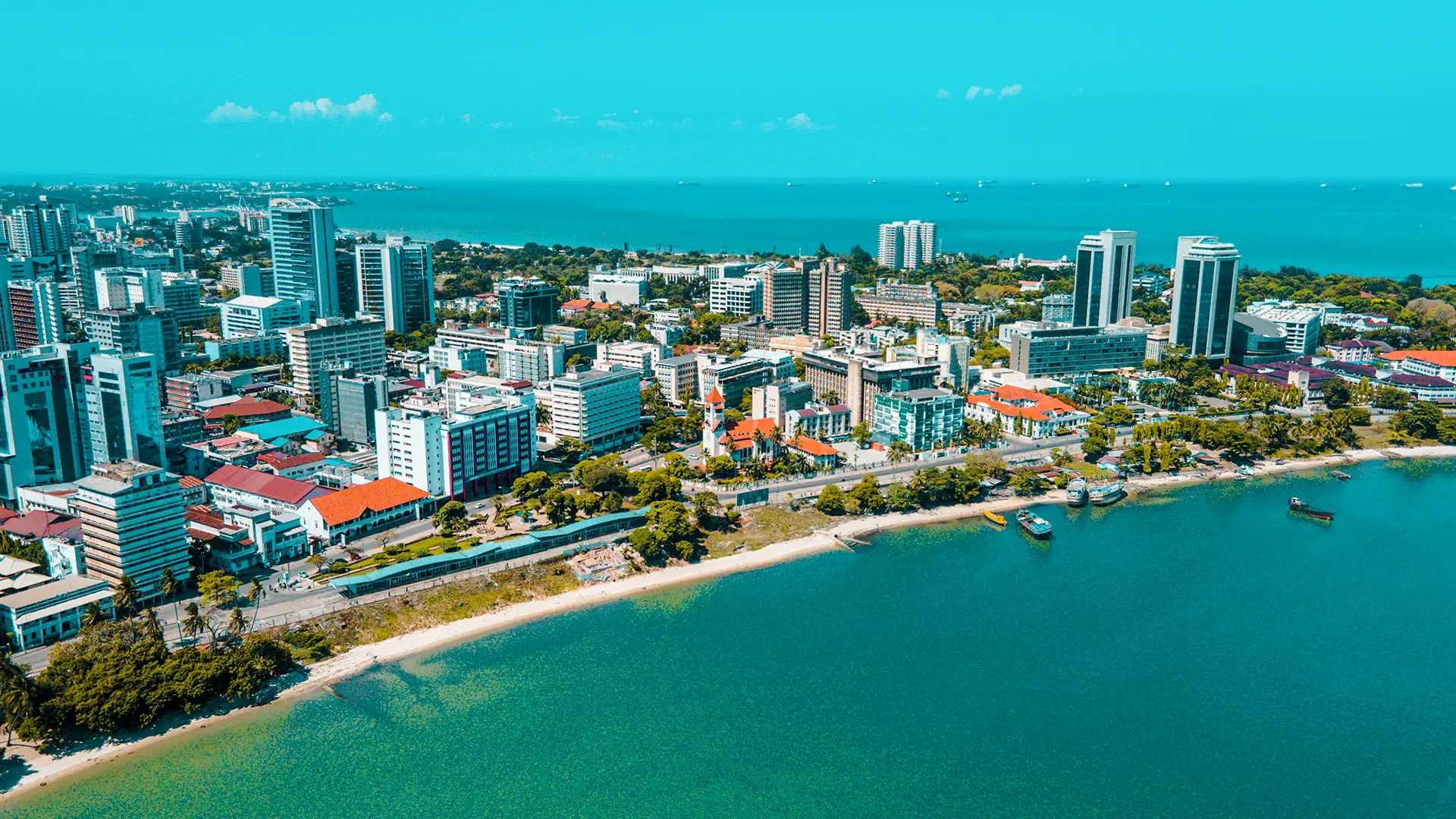
Mount Kilimanjaro: Located in Tanzania, it is Africa’s highest point at 5,895 meters, attracting climbers worldwide and symbolizing the continent’s majestic landscapes.
Nile River: Over 6,650 km long, it sustains agriculture and civilizations in Egypt, Sudan, and Ethiopia. Its basin supports millions and is central to Egypt’s history.
Serengeti Plains: A UNESCO World Heritage Site, famous for its massive annual migration of over 1.5 million wildebeest, along with zebras and gazelles, illustrating dynamic ecosystems.
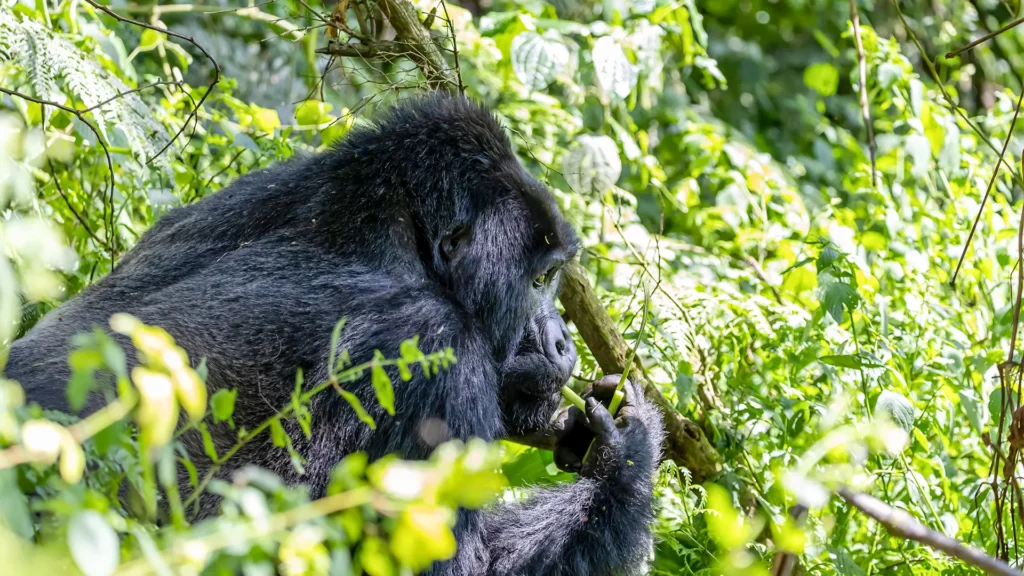
Congo Rainforest: The second-largest tropical rainforest globally, home to endangered species like gorillas, elephants, and chimpanzees, vital for carbon sequestration and biodiversity
Victoria Falls: Located on the Zambezi River between Zambia and Zimbabwe, it is one of the world’s largest and most spectacular waterfalls, drawing millions of tourists.
Climate Variations and Their Effects
Africa’s climate ranges from:
Desert: Sahara and Kalahari with extreme daytime temperatures exceeding 50°C and minimal rainfall.
Tropical Rainforest: Equatorial regions like the Congo Basin experience high rainfall (2000-3000 mm annually) and humidity.
Savannah: Transitional zones with a wet and dry season, supporting wildlife and pastoralism.
Mediterranean: Coastal areas of North Africa and South Africa have moderate, rainy winters and hot, dry summers.
Climate change has exacerbated droughts in the Sahel and East Africa, leading to food insecurity, displacement, and environmental stress.
A Rich Tapestry of Cultures and Histories
Ethnic Groups and Languages
Africa is one of the most culturally diverse continents:
Over 3,000 ethnic groups exist, each with unique traditions.
Languages: Over 2,000 languages are spoken, grouped into major language families:
Niger-Congo: The largest language family, including Swahili, Yoruba, Igbo, and Zulu.
Afro-Asiatic: Arabic, Amharic, Hausa.
Nilo-Saharan: Maasai, Kanuri.
Khoisan: Click languages of southern Africa.
This linguistic diversity reflects complex histories, migrations, and cultural identities.
Ancient Civilizations
Africa’s ancient civilizations laid foundations for human development:
Ancient Egypt: Flourished along the Nile (c. 3100 BCE), known for pyramids, hieroglyphic writing, advances in medicine, and monumental architecture like the Sphinx.
Carthage: A Phoenician city-state (present-day Tunisia) that became a Mediterranean trading empire, famous for its conflicts with Rome.
Great Zimbabwe: Built between the 11th and 15th centuries, it was a powerful trading center with impressive stone architecture, symbolizing advanced engineering and commerce.
West African Empires: Mali (with the legendary Mansa Musa), Ghana, and Songhai thrived from the 8th to 16th centuries, centers of gold trade, Islamic scholarship, and vibrant culture.
Colonial History and Its Impact
European powers divided Africa during the Berlin Conference (1884-1885), disregarding ethnic and cultural boundaries. Colonialism introduced:
Western governance structures
Extractive economies focused on resource export
Disruption of traditional societies
Cultural suppression and social upheaval
Post-independence, many nations grapple with borders that ignore ethnic ties, leading to conflicts and governance challenges.
Modern Cultural Expressions
Africa’s dynamic culture manifests in:
Music: Afrobeat (Fela Kuti), highlife, juju, reggae, and hip-hop—internationally influential genres.
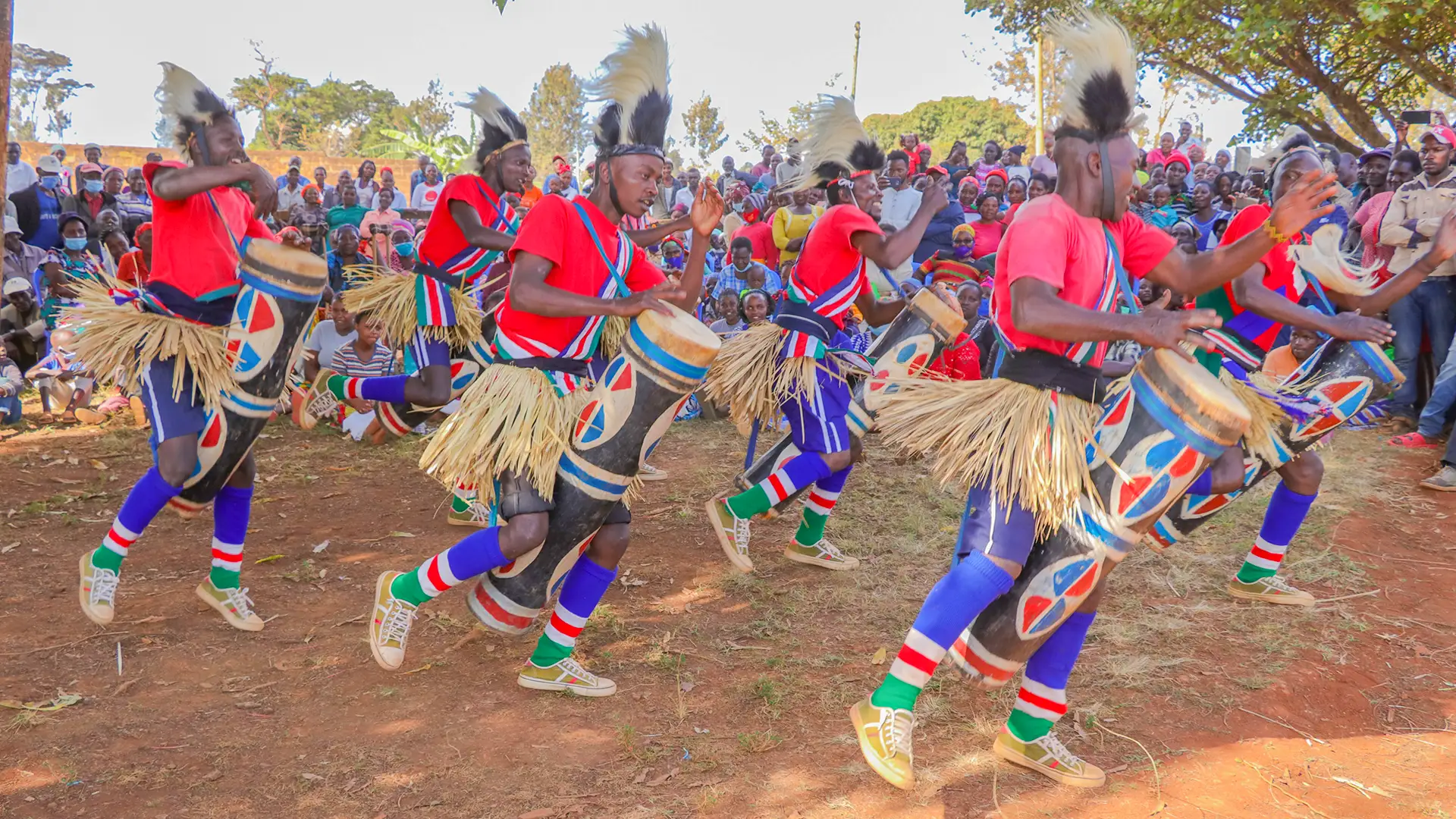
Dance: Traditional dances like the Maasai jumping dance or West African drumming.
Art: Masks, textiles, beadwork, and sculpture reflect spiritual beliefs and social status.
Fashion: Incorporates traditional patterns and modern designs, influencing global trends.
Festivals and Traditions
Festivals celebrate heritage:
Timket (Ethiopia): Epiphany celebration with colorful processions.
Eyo Festival (Nigeria): Celebrates Lagos’ history with masquerades.
Moussem de Tan-Tan (Morocco): Nomadic tribes gather for dance and cultural exchange.
Durbar Festivals (Northern Nigeria): Horse parades and royal pageantry.
Wildlife and Conservation Challenges
Iconic Species and Habitats
Africa hosts a rich diversity of wildlife:
Elephants: Critical for maintaining savannah ecosystems; poaching for ivory remains a threat.
Lions: Top predators, symbolizing strength.
Rhinos: Critically endangered due to poaching for horn; conservation efforts focus on anti-poaching and habitat protection.
Giraffes and Zebras: Key herbivores in savannah ecosystems.
Habitats include:
Savannahs: Open grasslands supporting large herbivores.
Rainforests: Biodiversity hotspots.
Wetlands: Crucial breeding grounds for migratory birds.
Deserts: Adapted species like addax antelopes and sand foxes.
Conservation Efforts and Successes
National parks and reserves:
Serengeti (Tanzania): Successful anti-poaching campaigns and eco-tourism.
Kruger (South Africa): Extensive conservation programs.
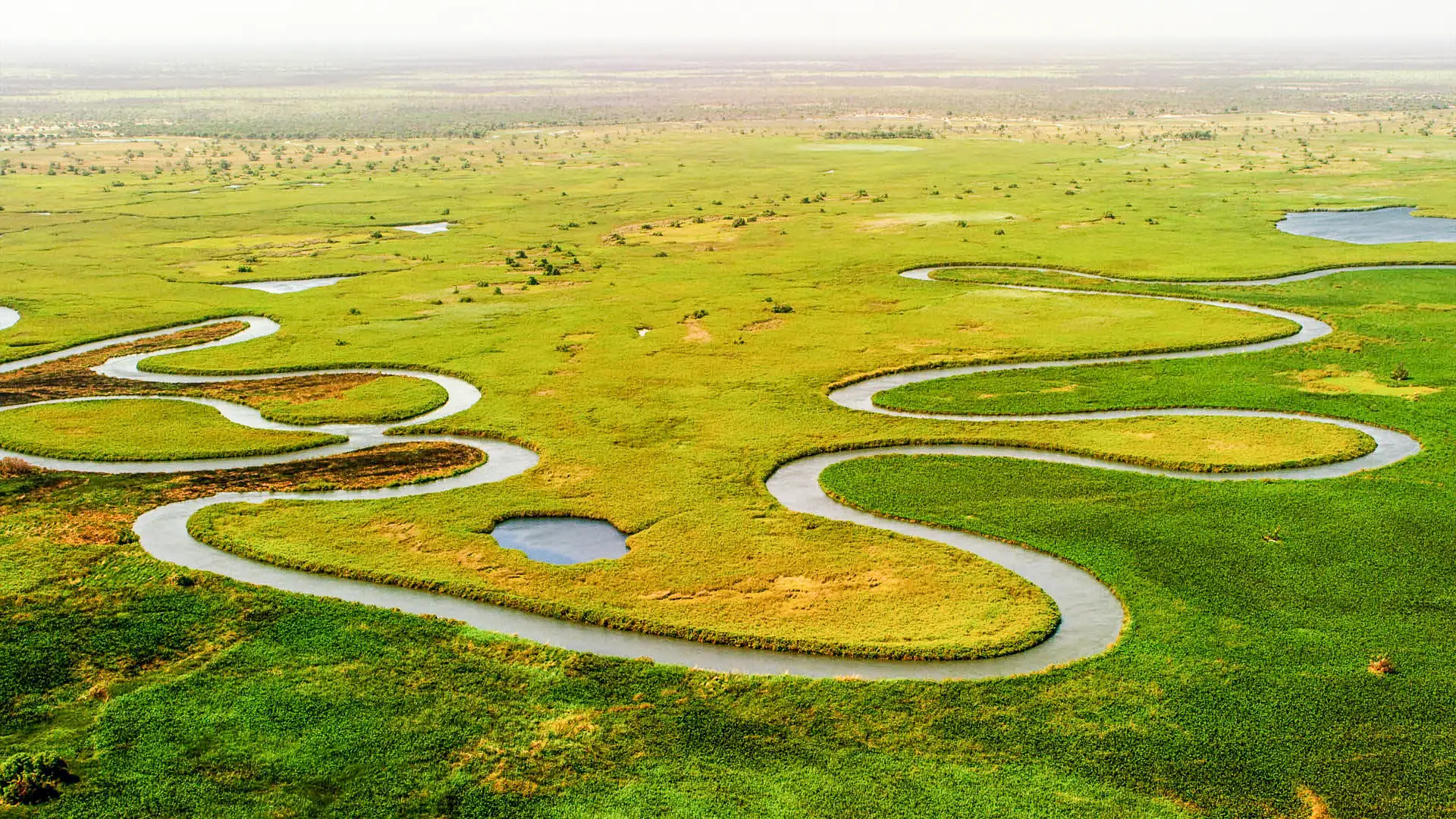
Okavango Delta (Botswana): UNESCO site supporting diverse wildlife.
Organizations like WWF, WCS, and local NGOs promote:
Habitat preservation
Anti-poaching laws
Community-based conservation
Challenges Faced by Wildlife
Poaching, illegal trade, and habitat destruction threaten species survival. Climate change leads to droughts and habitat shifts, further stressing wildlife populations.
Role of Local Communities in Conservation
Community conservancies and eco-guards involve locals, providing economic benefits through tourism, sustainable resource use, and education—fostering stewardship and reducing human-wildlife conflict.
Stories of Wildlife Rescue and Sanctuary
Numerous sanctuaries rehabilitate orphaned elephants and injured animals, offering hope for species recovery. These stories highlight resilience, dedication, and the importance of protecting Africa’s natural heritage.
Economy, Development, and Modern Africa
Economic Sectors
Agriculture: Main livelihood subsistence farming and commercial crops like coffee, cocoa, cotton, and tea. Challenges include climate variability and access to markets.
Mining: Africa supplies over 60% of the world’s diamonds, gold, platinum, cobalt, and coltan. Countries like South Africa, Ghana, and the Democratic Republic of Congo are major producers.
Tourism: Driven by wildlife safaris, cultural heritage sites, and beaches, contributing significantly to GDP and employment.
Technology: Rapidly growing with innovations in mobile banking (e.g., M-Pesa in Kenya), fintech, and agritech, fostering financial inclusion.
Urbanization and Modernization
Cities are experiencing explosive growth:
Lagos: Africa’s largest city with over 14 million residents, facing issues of congestion and infrastructure.
Nairobi: A tech hub with a vibrant startup ecosystem.
Johannesburg: South Africa’s economic capital, with financial and industrial sectors.
Governments and private sectors invest in infrastructure—roads, airports, energy—to support this growth.
Challenges of Poverty and Inequality
Despite economic growth, over 40% of sub-Saharan Africans live below the poverty line. Income disparities, limited access to quality healthcare and education, and corruption hinder development.
Success Stories and Emerging Markets
Countries like Ethiopia and Rwanda show remarkable growth due to industrialization, investment, and good governance. Small businesses and startups are creating jobs and innovation hubs.
The Role of Innovation and Startups
Young entrepreneurs leverage mobile technology, renewable energy, and e-commerce to address local problems, creating scalable solutions and fostering economic resilience.
Africa’s Cities and Urban Life
Major Cities and Their Unique Characters
Cairo: Historic capital with ancient pyramids, bustling markets, and vibrant street life.
Lagos: Known for music, fashion, and economic dynamism, yet struggles with infrastructure.
Addis Ababa: The diplomatic capital of Africa, home to the African Union and diverse cultures.
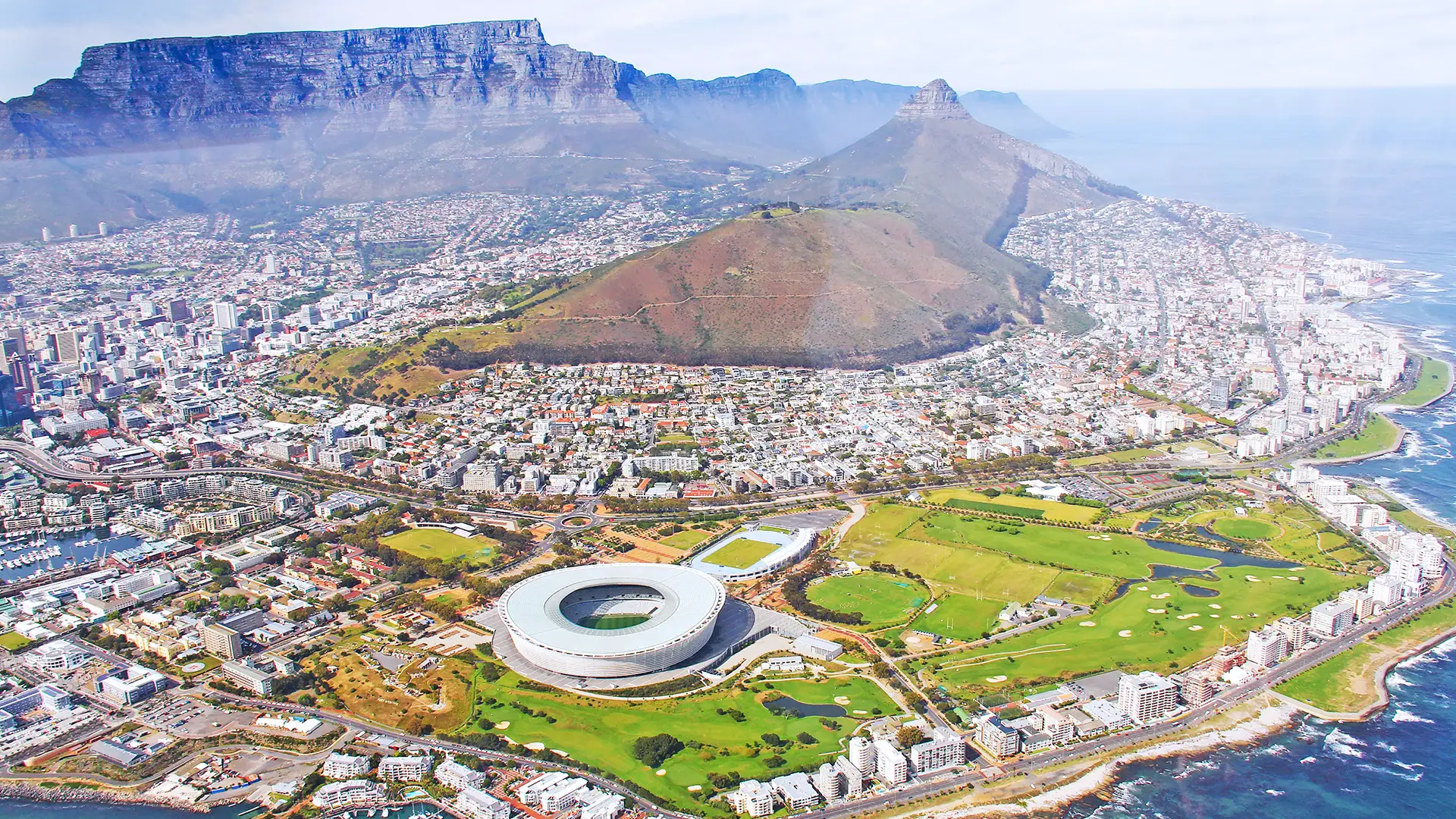
Cape Town: A global tourism destination with Table Mountain, beaches, and arts.
Urban Development and Infrastructure
Rapid urbanization demands:
Improved transportation systems (bus, rail, roads)
Affordable housing
Reliable sanitation and clean water
Sustainable energy solutions
Smart city initiatives and public-private partnerships aim to address these challenges.
Cultural Hubs: Art, Music, Fashion
Cities are centers for:
Art: Galleries, murals, and festivals celebrating contemporary and traditional art.
Music: Jazz, reggae, hip-hop, and Afrobeat influence global scenes.
Fashion: Designers blend traditional fabrics like kente, ankara, and dashiki with modern styles, influencing international fashion.
Challenges of Urbanization
Overcrowding, pollution, traffic congestion, and inadequate services threaten urban life. Solutions include sustainable planning, green spaces, and technology-driven management.
The People of Africa
Portraits of Diverse Communities
From the Maasai pastoralists in Kenya to the Berbers of North Africa, communities maintain traditions amid modern influences. Their stories reflect resilience, innovation, and cultural pride.
Stories of Resilience and Hope
Numerous grassroots initiatives focus on education, health, and entrepreneurship, improving lives despite adversity. Examples include women’s cooperatives, youth mentorship programs, and health campaigns.
The Role of Diaspora
African diaspora communities contribute through remittances, investments, and cultural exchange. They support development projects and influence cultural trends globally.
Youth Movements and Future Leaders
With over 60% of the population under 25, youth-led movements advocate for democracy, education, and climate action. Many future leaders emerge from grassroots activism and innovation hubs.
Tourism and Sustainable Travel
Popular Destinations and Hidden Gems
Serengeti National Park: Iconic for wildlife safaris.
Egypt: Pyramids of Giza and ancient temples.
Seychelles and Mauritius: Tropical beaches and luxury resorts.
Lesser-known: Lalibela’s rock-hewn churches (Ethiopia), Sahara desert adventures, and mountain kingdoms in Ethiopia.
Ecotourism and Responsible Travel
Promoting eco-friendly practices:
Supporting local communities
Conserving ecosystems
Respecting cultural heritage
Community-Based Tourism Projects
Locally managed lodges and cultural exchanges empower communities, preserve traditions, and generate income.
Impact of Tourism on Local Economies
Tourism creates jobs, supports local businesses, and fosters cultural understanding. Sustainable tourism minimizes environmental footprint.
Personal Stories from Travelers
Many visitors recount transformative experiences encounters with wildlife, immersion in local traditions, and appreciation of Africa’s diversity and resilience.
Africa’s Challenges and Opportunities
Environmental Issues
Climate change leads to:
Desertification in the Sahel
Rising sea levels threatening coastal cities
Loss of biodiversity
Efforts focus on renewable energy projects, reforestation, and sustainable agriculture.
Political Stability and Governance
Progress in some countries contrasts with conflicts in others—such as ongoing crises in parts of Central Africa. Strengthening institutions and promoting good governance remain priorities.
Health Crises and Healthcare Systems
HIV/AIDS, malaria, and recent COVID-19 outbreaks strain healthcare systems. Initiatives like vaccination campaigns and health infrastructure expansion improve outcomes.
Education and Empowerment
Expanding access to quality education, especially for girls and marginalized groups, unlocks human potential and drives economic growth.
Opportunities for Global Partnerships
Africa’s resources, youthful demographic, and entrepreneurial spirit offer avenues for international investments, technology transfer, and sustainable development collaborations.
Personal Reflections and Future Perspectives
Why Africa Matters to the World
Africa’s natural resources, cultural diversity, and youthful population make it a continent of strategic importance. Its innovations and resilience inspire global progress.
The Potential for Growth and Innovation
Investments in renewable energy, tech startups, education, and healthcare can unlock Africa’s full potential, fostering inclusive growth.
How Individuals and Organizations Can Contribute
Supporting responsible tourism, ethical investments, education, and conservation initiatives can foster sustainable development and empower communities.
Inspiring Stories of Change-Makers
Leaders, entrepreneurs, and activists exemplify Africa’s capacity for transformation—driving social, economic, and environmental progress.
Africa’s story is one of resilience, diversity, and immense potential. Its landscapes, cultures, and peoples offer invaluable lessons and opportunities. Responsible engagement, sustainable development, and appreciation of its rich heritage can help unlock its full potential, ensuring a brighter future for the continent and the world.