
Africa
Africa is a continent of extraordinary breadth and diversity, both in its landscapes and its peoples. Stretching across more than 30 million square kilometers, Africa ranks as the world’s second-largest continent, carved into 63 political territories and bordered by the Mediterranean Sea to the north, the Red Sea and Indian Ocean to the east, and the Atlantic Ocean to the west. Its boundaries and connections are defined not only by water but also by land bridges like the Isthmus of Suez, where Africa meets Asia.
Geographically, Africa is a study in contrasts. Iconic natural features such as the towering summit of Mount Kilimanjaro, the vast expanse of Lake Victoria, and the endless sands of the Sahara Desert mark its surface. The continent is a tapestry of environments: from the dense rainforests of the Congo Basin and the rolling savannahs of East Africa, to the fertile river valleys and the dramatic escarpments of its plateaus.
Africa’s climate is shaped by its equatorial position and spans a spectrum from lush, humid tropical zones to some of the driest deserts on Earth. The continent’s weather is defined more by variations in rainfall than in temperature, with the majority of the landmass experiencing consistently warm or hot conditions year-round. The interplay of global atmospheric systems such as the monsoon trough and the Hadley cell brings seasonal rains to some regions and perpetual drought to others, giving rise to a remarkable range of habitats and life.
The continent’s structure is equally distinctive. Much of Africa sits atop broad, elevated plateaus that descend toward coastal lowlands and are punctuated by isolated mountain ranges and deep river valleys. The central feature, the Etosha Pan, along with the Great Rift Valley and the mighty Nile, are testament to Africa’s dynamic geological history.
Africa is also notable for its rich biodiversity and cultural complexity. Its ecosystems are home to iconic wildlife elephants, lions, gorillas, and rhinos as well as thousands of plant and bird species found nowhere else. Human history here is ancient and profound, with civilizations, languages, and traditions as varied as the landscapes themselves.
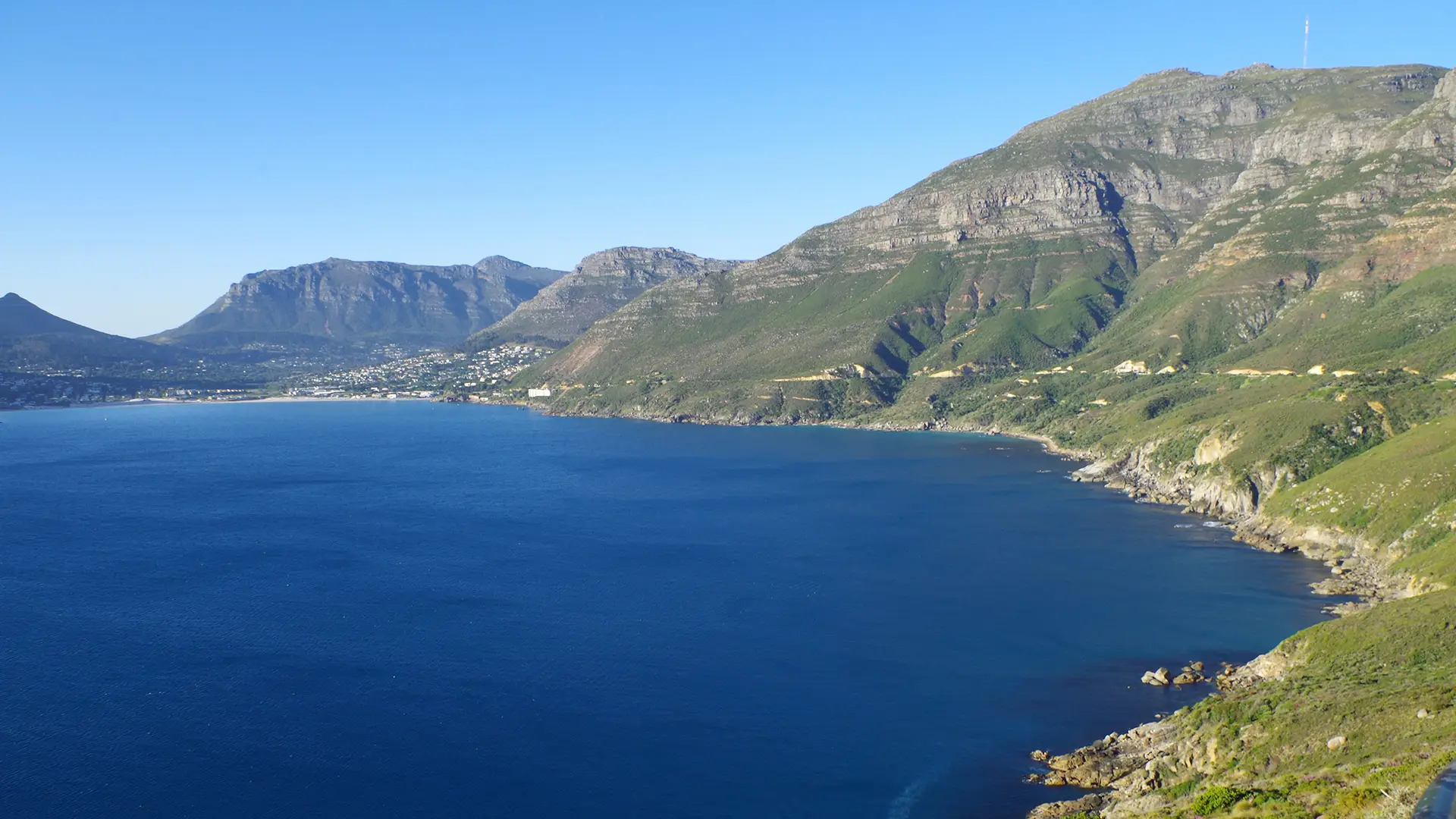
Africa’s landscapes range from deserts to rainforests. Its climate varies from arid to tropical.
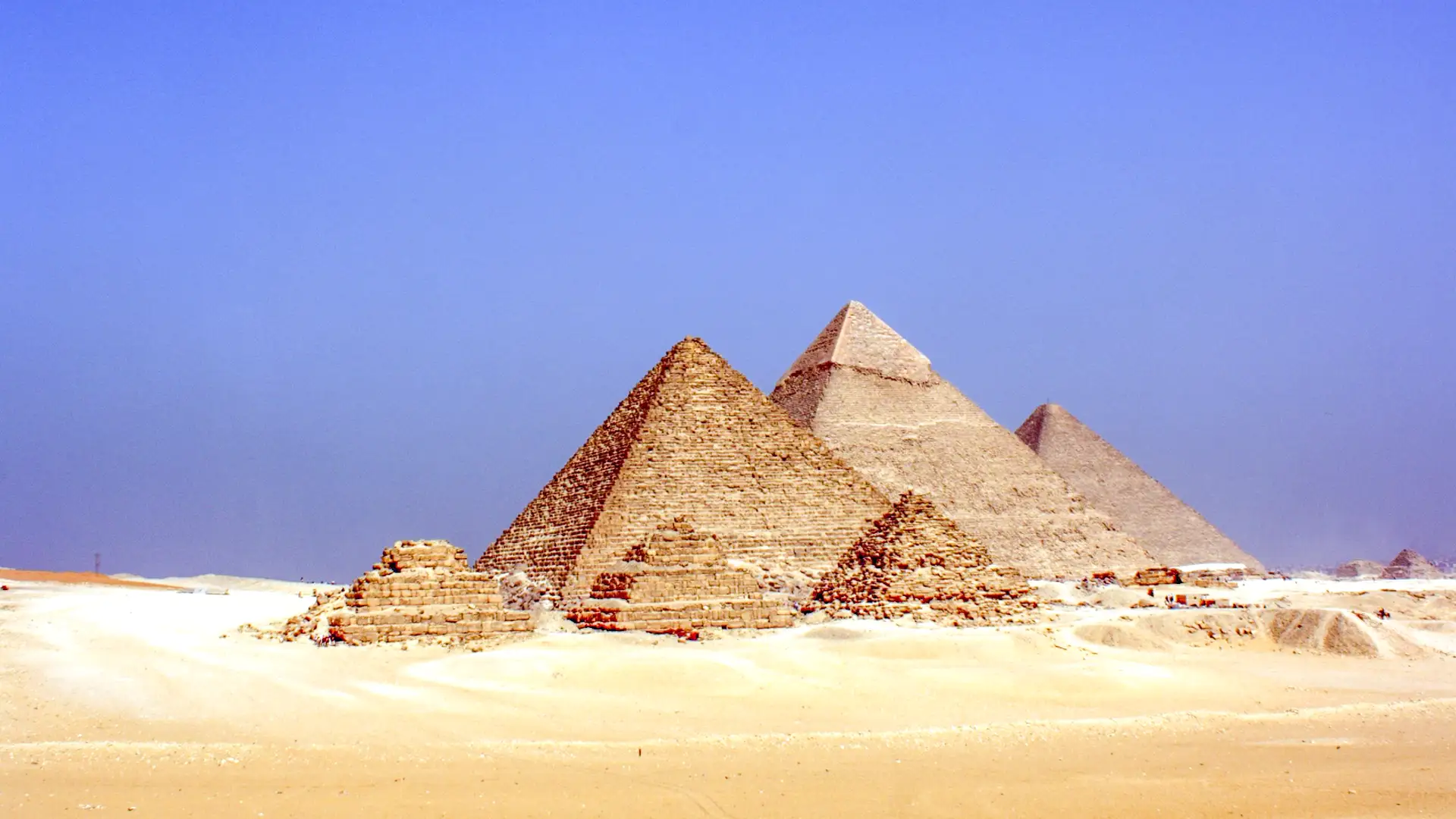
Africa has witnessed the birth of humanity, the flourishing of great empires, and the challenges of colonization and independence.
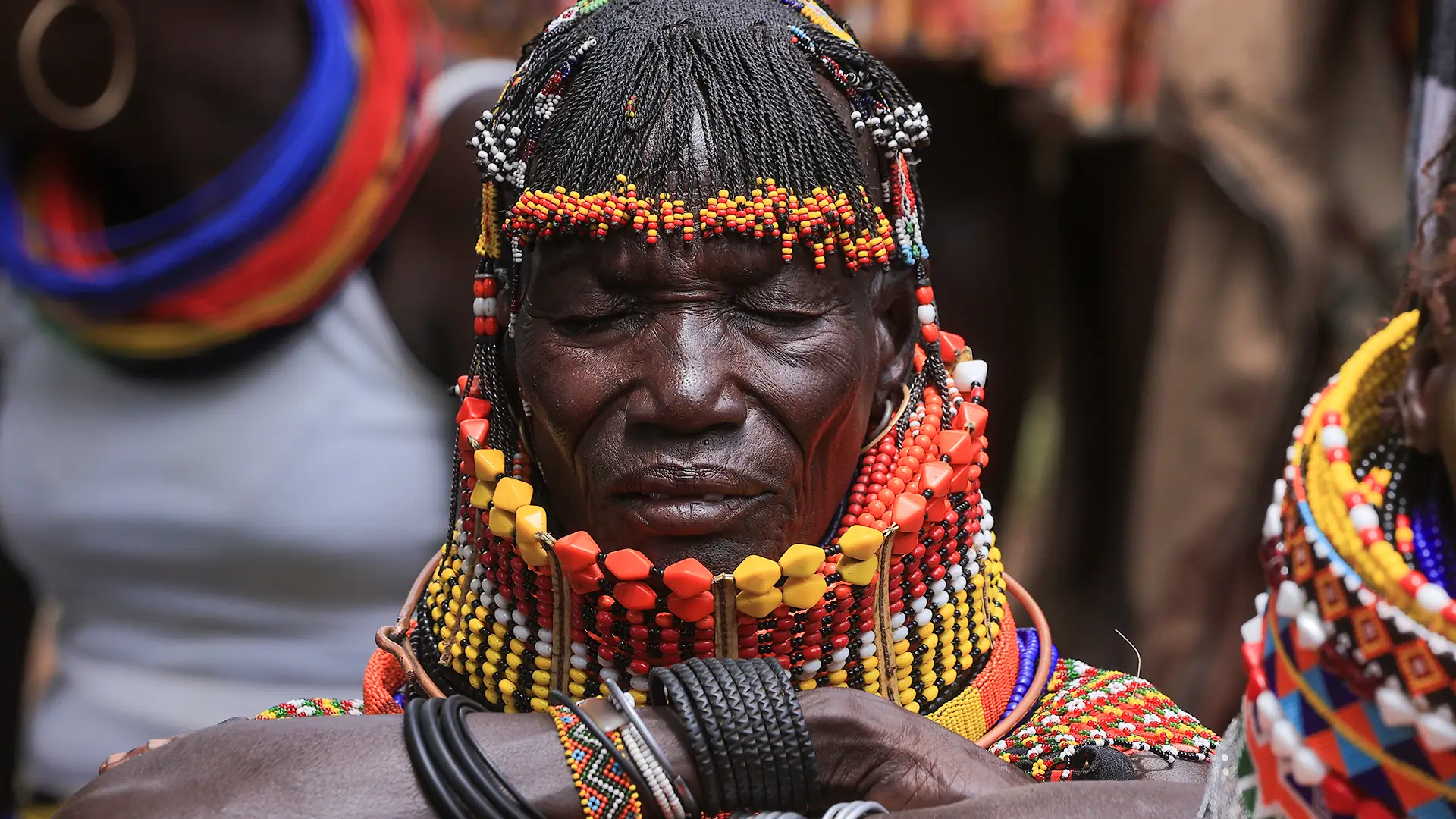
The blend of ancient heritage and modern influences is seen in the shared values, art, and communal life of its people.
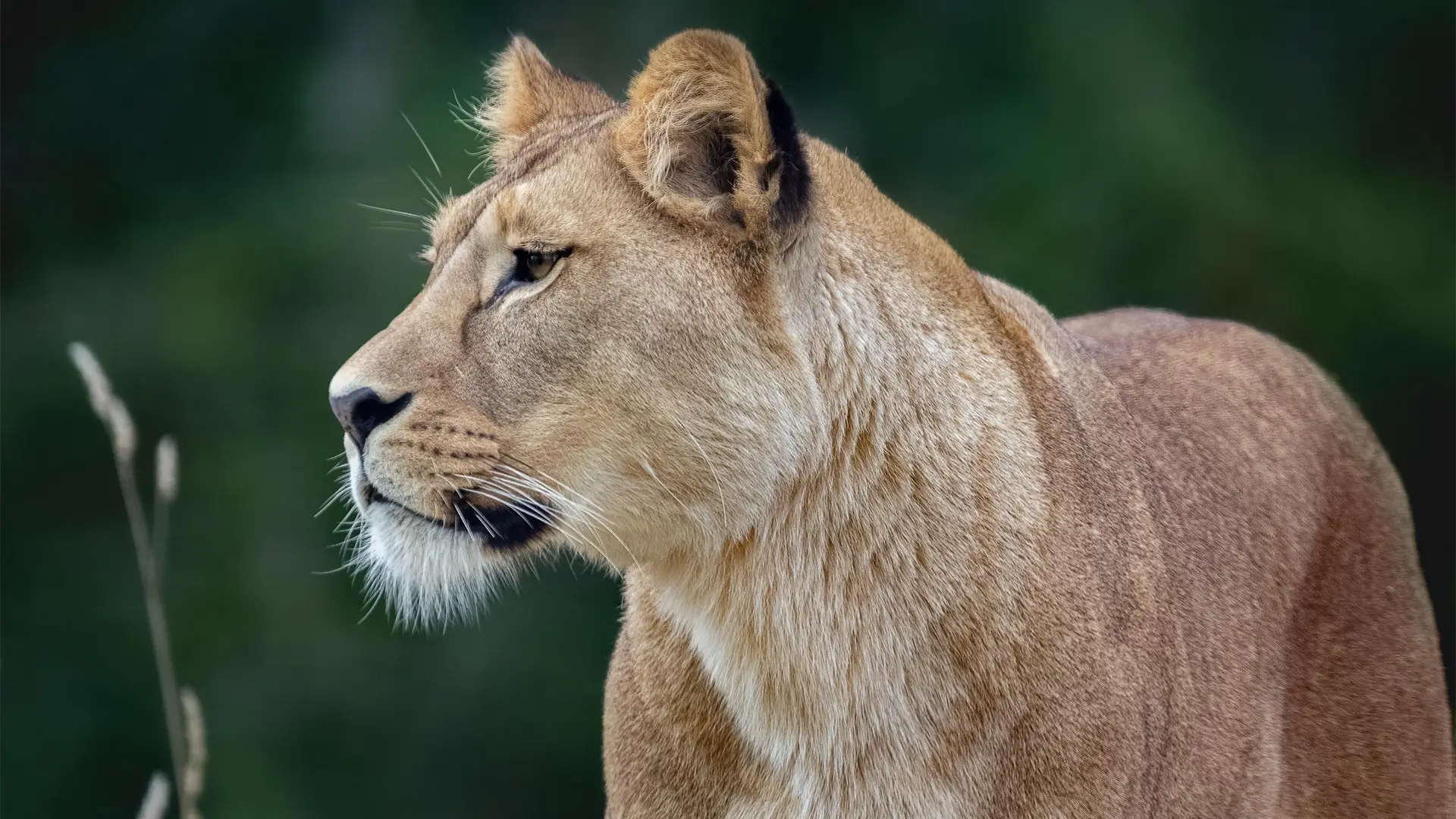
The wild beauty of Africa’s mountains, deserts, and rivers is matched only by the diversity of its animal life.